Tag Archive : best marriage counseling in Delhi

delhi's top couples counselor_shivani misri sadhoo

 How to deal with Shame in Life? Suggest Expert

Have you ever replayed a conversation in your head and cringed at what you said? Or remembered an awkward moment and felt your cheeks burn? These experiences are common, but the feelings behind them vary. At times, we simply feel embarrassed. Other times, we feel guilty about something we did. But when the discomfort goes deeper and touches our very sense of worth, that is shame.

While guilt says “I did something bad,” shame whispers “I am bad.” And unlike embarrassment or guilt, shame is more damaging if left unchecked. Eminent psychologist and marriage counsellor in India, Shivani Misri Sadhoo explains that learning how to deal with shame is vital for mental health, self-confidence, and healthy relationships.

best marriage counselor in delhi-shivani sadhoo

What is Shame?

Shame is the uncomfortable belief that you are flawed, unworthy, or “not good enough.” It often arises after mistakes, criticism, or rejection. For example, forgetting a partner’s birthday may cause temporary guilt, but if you start believing that this makes you careless or unlovable, the heavy, sinking emotion you feel is shame.

Psychologists distinguish between two types of shame—healthy and toxic. Healthy shame is temporary and acts as a signal that you have fallen short of your values, motivating you to correct your actions and do better. Toxic shame, on the other hand, runs much deeper. Instead of being tied to a single mistake, it becomes part of your identity, making you feel permanently flawed and unworthy. If left unchecked, this type of shame can undermine your confidence, weaken relationships, and even affect physical and emotional well-being.

best marriage counselor_shivani sadhoo

Why Shame Hurts More Than Guilt or Embarrassment?

Embarrassment usually comes from awkwardness in social situations, such as forgetting someone’s name or tripping in public. Guilt is connected to specific actions, like missing a deadline or breaking a promise. Shame, however, is different because it attacks identity itself, convincing you that you are fundamentally wrong as a person.

When mistakes become linked to self-worth, the emotional weight of shame intensifies. People often respond by avoiding others, striving for perfection, or isolating themselves. Over time, shame can fuel deeper struggles such as anxiety, depression, and a lack of trust in relationships, making it far more destructive than guilt or embarrassment.

india's top couples therapist_shivani misri sadhoo

How to Deal with Shame in Life?

You should try the following ways to deal with shame:

1. Recognize and Acknowledge Shame

The first step in overcoming shame is awareness. Pay attention to situations that trigger defensiveness, anger, or withdrawal—these often mask shame. Notice how it feels in your body: heaviness, a desire to hide, or discomfort in social situations. Journaling these moments can help reveal patterns. Awareness shifts shame from something unconscious to something you can actively work on.

2. Understand the Root Causes

Shame often has roots in childhood experiences, social pressures, or repeated criticism. Growing up in an environment where love or acceptance was conditional can create lasting feelings of inadequacy. Similarly, struggles with identity, finances, or academic performance may contribute. Recognizing that much of this shame is inherited—not chosen—can ease the burden. You are not defined by past judgments or circumstances.

3. Practice Self-Compassion

Self-compassion is the antidote to shame. Instead of harsh self-criticism, treat yourself with the same kindness you would offer a close friend. When shame arises, pause and ask: What would I say to someone I love if they felt this way? This shift helps you move from judgment to understanding. Even if it feels unnatural at first, practicing small acts of self-kindness—like gentle self-talk or taking breaks when overwhelmed—builds resilience over time.

4. Challenge Negative Beliefs

Shame often thrives on distorted thinking such as “I don’t belong” or “I will fail.” Cognitive Behavioral Therapy (CBT) techniques encourage questioning these thoughts:

  • What evidence supports this belief?
  • What evidence challenges it?
  • How would I view this situation if it happened to someone else?

Replacing absolute, negative beliefs with balanced perspectives reduces shame’s power.

5. Build Supportive Connections

Shame pushes people to hide, but connection is the cure. Talking to trusted friends, partners, or mentors can normalize your struggles. Often, you will discover others have faced similar feelings. Vulnerability in safe relationships breaks shame’s cycle of secrecy and self-isolation.

6. Seek Professional Guidance

Sometimes shame is deeply rooted and hard to manage alone. In such cases, working with a therapist is invaluable. A trained professional provides a safe, non-judgmental space to explore emotions, uncover root causes, and develop healthier coping strategies. Approaches like CBT or Acceptance and Commitment Therapy (ACT) help reframe negative thought patterns and rebuild self-worth.

Living Beyond Shame

Shame is universal—everyone experiences it at some point. But it does not have to define you. By recognizing its presence, understanding where it comes from, treating yourself with compassion, and seeking help when necessary, you can loosen shame’s grip.

As psychologist Shivani Misri Sadhoo emphasizes, dealing with shame is not about erasing mistakes but about refusing to equate them with your identity. With awareness, kindness, and courage, you can step out from shame’s shadow and live with greater confidence, peace, and self-acceptance.

Stages of Marriage and marital therapy by Shivani Misri Sadhoo

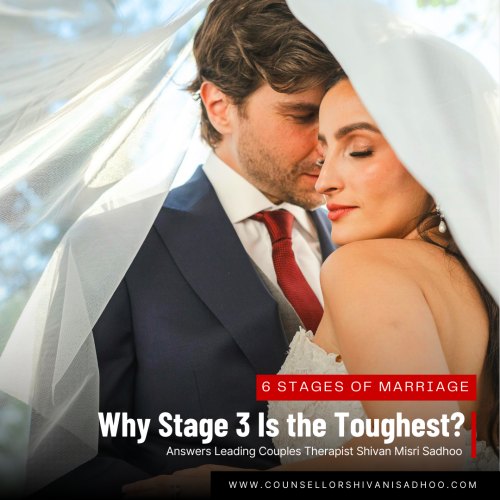
What are the 6 Stages of Marriage? Why Stage 3 is The Toughest?

Marriage is a journey full of growth, discovery, and sometimes challenges that test the bond between two people. While every relationship is unique, most marriages tend to go through recognisable stages. Understanding these phases can help couples navigate difficulties, strengthen their connection, and set realistic expectations, says Shivani Misri Sadhoo, a leading relationship expert and one of the top marriage counsellors in Delhi and India.

marital challenges and relationship counselling by Shivani Misri Sadhoo

Questions You Might Ask

1. Why do couples often face the most difficulties in the early years of marriage?

Many challenges emerge as couples move beyond the initial excitement of marriage into the realities of everyday life. Differences in habits, communication styles, and expectations can surface, often leading to conflict if not addressed consciously.

2. Can a marriage survive Stage 3, the Power Struggle?

Yes. Stage 3 can feel intense, but with open communication, mutual understanding, and a willingness to grow, couples can emerge stronger. It’s less about avoiding conflict and more about learning to navigate it together.

What are the 6 Stages of Marriage? Why Stage 3 is The Toughest?

6 Stages of Marriage, as explained by couples therapist Shivani Sadhoo

Stage 1: The Honeymoon Phase

This is the period of excitement and idealisation. Everything feels new and thrilling, and couples often overlook imperfections as they focus on love and connection.

Stage 2: Reality Sets In

As the initial excitement fades, differences between partners become more apparent. Habits, routines, and even quirks that were previously endearing can now feel challenging.

Stage 3: The Power Struggle

Often called the toughest stage, this is when conflicts and disagreements become more frequent. Couples question whether the marriage will last and confront unresolved personal or relational issues. The emotional intensity can feel overwhelming, but it’s also a stage that provides the opportunity to build resilience and a deeper understanding if navigated consciously.

Stage 4: Rebuilding and Acceptance

After working through conflicts, couples start to regain trust and understanding. Acceptance of each other’s differences and the ability to compromise strengthen the foundation of the relationship.

Stage 5: Deep Connection

By this stage, couples often feel a profound emotional and spiritual bond. They communicate more effectively, support each other’s growth, and share a sense of partnership that goes beyond surface-level romance.

Stage 6: Legacy and Purpose

Here, couples focus on building something bigger than themselves, whether it’s family, community, or shared goals. There’s a sense of fulfilment in contributing together and leaving a lasting impact.

What are the 6 Stages of Marriage? Why Stage 3 is The Toughest?

Identifying Your Stage

Recognising which phase your marriage is in can help you manage expectations, enhance communication, and approach challenges more intentionally. If you find yourself in Stage 3, remember that feeling tested doesn’t mean failure—it’s an opportunity for growth.

Strategies to navigate Stage 3 include:

  • Seeking couples therapy or professional guidance
  • Reconnecting emotionally and fostering intimacy
  • Prioritising personal growth alongside relational growth
  • Learning constructive conflict resolution techniques

Marriage isn’t a final destination but an ongoing journey. Each stage has its purpose, and even the toughest periods, like Stage 3, can strengthen the bond between partners when approached with patience and commitment.

Why its Not Time to Give Up on Your Marriage by Shivani Misri Sadhoo

5 Reasons for Not Giving Up on Your Marriage

Marriage is not just a union of two people; it’s a journey filled with love, challenges, growth, and countless shared experiences. But sometimes, when the going gets tough, giving up can seem like the easiest option.

Yet, before making any final decisions, it’s worth pausing and reflecting on why your marriage deserves a second chance. Even when things seem broken, healing is possible. Here we explore the five strong reasons not to give up on your marriage.

Reasons for Not Giving Up on Your Marriage Counselling Tips by Shivani Misri Sadhoo

What are the reasons for not giving up on your marriage?

Shivani Misri Sadhoo, a leading relationship expert, certified DBT & CBT therapist and one of the top marriage counsellors in Delhi and India, discusses the five factors for not giving up on your marriage.

The Foundation You’ve Built Together

Every relationship has a history. Over the years, you’ve created countless memories, faced obstacles, celebrated wins, and grown both individually and as a couple. These shared experiences form the emotional foundation of your marriage.

Walking away from your partner means walking away from everything you’ve built together your home, your shared goals, and even your struggles that made you stronger. Instead of throwing it all away, consider rebuilding from where you are. Often, the cracks in a relationship can become places where light enters if both partners are willing to try.

Marriage Is a Journey, Not a Destination

No marriage is perfect. Conflict, misunderstandings, and emotional distance are part of the journey. Just because you’re going through a rough phase doesn’t mean it’s the end. Growth comes through adversity. Working through issues, rather than walking away, can lead to a deeper understanding of each other and a more mature, resilient relationship. When you overcome a storm together, your bond often becomes stronger than before.

Love Can Be Rekindled

Feelings fade when they are not nurtured, but that doesn’t mean they are gone forever. Love is not just a feeling; it’s also a choice and an action. Small efforts like spending quality time, expressing appreciation, or seeking counselling can reignite the emotional connection. You once fell in love for a reason. Exploring those memories and reigniting what first brought you together can open the door to renewed intimacy and affection.

Its Not Time to Give Up on Your Marriage by Shivani Misri Sadhoo

Impact on Family and Children

If you have children, your relationship sets the tone for their emotional environment. Children thrive in a stable, loving household. While staying together only for the sake of the kids isn’t ideal, fighting for your marriage creates a powerful example of commitment, problem-solving, and resilience.

Moreover, separation often brings emotional and logistical upheavals that can deeply affect everyone involved. Saving your marriage may not only bring peace to your own life but also to the lives of those who depend on you.

You Haven’t Tried Everything Yet

Before giving up, ask yourself: Have you really tried everything? Marriage counselling, communication workshops, or even personal therapy can offer powerful tools for healing. Many couples reach a breaking point simply because they lack the right strategies to deal with conflict or emotional disconnection. Sometimes, just having a neutral third party to guide the conversation can unlock breakthroughs that seemed impossible before.

Marriage is not always easy—but neither is walking away. If there’s still love, even a little, it might be worth fighting for. Time, effort, empathy, and patience can breathe life back into what feels broken. Sometimes, holding on can be the bravest and most rewarding thing you’ll ever do.

Why People Stay Single relationship tips

Why Are You Still Single? 4 Key Reasons That Often Make People Stay Single

Being single is not a flaw. It can be a conscious, empowered, and deeply fulfilling choice. While society often paints romantic relationships and marriage as the ultimate milestones of adult life, many people are choosing a different path. They don’t see marriage as the be-all and end-all. Instead, they prioritise personal growth, career goals, creative pursuits, spiritual exploration, and deepening connections with friends and family.

Reasons why you are still single answers Shivani Misri Sadhoo

What makes one stay single?

If you are wondering why some people genuinely love staying single, here are four reasons shared by leading relationship and marriage therapist Shivani Misri Sadhoo.

1. They love their Independence

One of the biggest reasons people enjoy staying single is the freedom that comes with it. Relationships often involve compromises, shared responsibilities, and constant coordination—which can feel limiting for those who deeply value their independence. When you’re single, you can set your own schedule, chase personal goals, and make decisions without having to factor in someone else’s needs.

That kind of autonomy can be incredibly fulfilling, especially for those who thrive on self-reliance and personal growth. Choosing to stay single doesn’t mean someone is selfish—it simply means they’re prioritising their own well-being and sense of identity. And there’s nothing wrong with that.

2. Painful Past Experience

Another reason some people choose to stay single is because of painful past experiences. When someone has been deeply hurt in a previous relationship, it can leave emotional scars that take a long time to heal. The fear of being hurt again makes it hard to trust or open up.

Even if they want love, the memories of heartbreak hold them back. Staying single becomes a way to protect their heart, to avoid the pain they once knew too well.

are you still single relationship tips by Shivani Misri Sadhoo

3. Longing and Boundaries

Some people avoid relationships because their emotional needs feel too intense, even shameful. They fear being a burden, so they isolate themselves to protect others—and themselves. Others are aware of their neediness but try to manage it, often shaped by early experiences with emotionally demanding caregivers.

They might avoid intimacy to protect their boundaries or fear being overwhelmed by a partner’s needs. Both responses are valid and deeply human. Healing starts by understanding your story, accepting where you are, and gently making space for both connection and self-protection.

4. Avoid Commitment

Some people stay single because they fear commitment—not out of coldness, but from a deep, often quiet vulnerability. The idea of merging their life with someone else can feel suffocating or risky. Maybe they’ve seen relationships fall apart or felt trapped in the past.

Commitment demands trust, openness, and emotional risk, which can be daunting. For them, staying single offers a sense of control and emotional safety. It’s not that they don’t crave connection—they just struggle with the weight of promises that feel too heavy or permanent to carry.

In a nutshell, people stay single for all sorts of deeply human reasons—some love their freedom, others are healing from old wounds. Some guard their hearts with healthy boundaries, while others quietly fear the weight of commitment. Whatever the reason, choosing to stay single can be a brave, thoughtful, and beautifully intentional way to live.

Betrayal Pain Causes Psychological Trauma marriage counselling

Betrayal Pain – Psychological Trauma

Discover how betrayal pain can unveil hidden psychological trauma, explained by renowned Delhi marriage counselor Shivani Misri Sadhoo.

Betrayal isn’t just about broken trust — it’s a deep emotional wound that can cut to the core of a person’s sense of self, safety, and stability. Whether it stems from a partner’s infidelity, a friend’s deception, a parent’s neglect, or a coworker’s manipulation, betrayal can be a form of trauma.

Yet, many people don’t recognize it as such. They move forward carrying invisible scars, unaware that their anxiety, trust issues, emotional numbness, or even chronic self-doubt may be symptoms of something much deeper, betrayal trauma, says Shivani Misri Sadhoo who is a leading relatoinship expert in India and one of the best marriage counselors in Delhi.

How Betrayal Pain Causes Psychological Trauma?

How Betrayal Pain Causes Psychological Trauma?

Psychological trauma from betrayal occurs when someone we rely on for safety, emotional support, or love violates that trust. This rupture in the relationship can trigger a fight, flight, or freeze response in the brain.

The body reacts as if it’s in danger, flooding the system with stress hormones like cortisol and adrenaline. When the betrayal is ongoing or occurs within a close relationship, such as with a spouse, parent, or long-time friend, the trauma can be even more severe because it disrupts the very foundation of emotional security. The pain of betrayal can manifest in several ways:

  • Loss of Identity: Many people define themselves in relation to others. When a trusted person betrays you, it can feel like a personal failure. Victims may question their own worth or judgment, leading to a fractured sense of self.
  • Hypervigilance and Mistrust: The brain, once betrayed, often becomes wired to expect betrayal again. This can lead to hyper-awareness, mistrust in new relationships, and difficulty forming emotional bonds.
  • Emotional Numbing: To avoid future pain, people may suppress emotions or detach from relationships entirely. This self-protection can create feelings of isolation and depression.
  • PTSD-like Symptoms: Flashbacks, intrusive thoughts, nightmares, and a constant sense of unease can emerge, especially if the betrayal was traumatic or repeated.
How Betrayal Pain Causes Psychological Trauma?

Understanding and Healing from Betrayal Trauma

One of the biggest challenges in addressing betrayal trauma is that it often goes unrecognized. Because the hurt is caused by someone known and trusted, many victims feel ashamed or confused. They may minimize the betrayal or blame themselves, rather than acknowledging the severity of the emotional injury.

Healing begins with recognition. Identifying that you’ve experienced betrayal trauma is the first step toward recovery. Talking to a mental health professional, especially one who specializes in trauma, can help you process the emotions, understand the patterns, and rebuild self-trust.

Therapeutic methods such as cognitive behavioral therapy (CBT), and inner child healing can be particularly effective. Building supportive relationships, practicing self-compassion, and engaging in grounding activities like journaling or meditation also aid recovery.

Betrayal trauma is real, and its effects run deep. If you find yourself reacting strongly to situations that seem minor, struggling to trust others, or feeling disconnected from yourself, it might be time to look deeper. Understanding that your pain has a name and that it is valid is the beginning of healing. You are not alone, and with the right support, it is possible to move beyond betrayal and rediscover safety, connection, and peace within.

Safeguard Children During Couple Arguments relationship advice

How To Safeguard Children During Couple Arguments?

We do not live in a perfect world, and no relationship is flawless. It is quite natural for all relationships to go through ups and downs. Conflicts and disagreements are bound to happen, even in the most loving families.

According to psychologists, the fact that parents fight is not the real issue—what truly matters is how they resolve those fights, with maturity and a balanced point of view. When parents manage their disagreements with calm, maturity, and mutual respect, some arguments can actually be constructive and can teach kids valuable lessons about communication and compromise.

Children are vulnerable. They are innocent. For them, parents are the primary source of safety and stability. So, when they see their parents yelling or arguing, they feel insecure and scared. This kind of toxic environment can leave an indelible mark on their young minds—sometimes with long-term psychological consequences.

How To Safeguard Children During Couple Arguments?

How can You Safeguard Your Children during Couple Arguments?

Shivani Misri Sadhoo, one of the top couples therapists in Delhi, shares a few tips and tricks on how to protect children when couples argue.

1. Don’t Raise Your Voice

Parenting is tough, no doubt, and an argument between a couple can’t always be avoided. However, how we handle these arguments matters most, especially in front of our children. When voices are raised, the impact on a child can be deeper than we imagine. They may not always show it, but they’re soaking in every word, every tone, and every reaction. A loud argument can leave them feeling unsafe or anxious, and over time, they may begin to mirror that behavior.

Kids don’t just hear us—they learn from us. If we shout when we’re upset, they may grow up thinking that’s how stress or disagreement is supposed to be handled. But if we can stay calm, even when things get heated, we’re teaching them strength, patience, and emotional stability. It’s not about being perfect parents—it’s about being conscious ones, especially when little ears and hearts are in the room.

2. Maintain Privacy

A good way to handle arguments between couples is to keep them behind closed doors. Children feel uncomfortable and emotionally unsafe when their parents fight in front of them, even unintentionally. They often have difficulty understanding the full context of disagreements, which can cause confusion, fear, or even a false sense of responsibility.

The privacy of the argument doesn’t make the argument harmless, but it shields the children from the emotional baggage of the argument. While kids can still sense tension in the air, watching it unfold directly is far more damaging. The separation of their children from conflict allows them to feel secure and emotionally stable while also allowing their parents to resolve issues without involving their children.

3. Keep Children Away From The Fights

Keeping kids out of a heated debate is one of the best things parents can do. Children should never be forced to mediate disputes between their parents or be pulled into adult disputes. Children who witness violent arguments, particularly if they feel compelled to choose a side, may become confused, emotionally conflicted, and even hold themselves accountable for the hostility at home.

No child should have to bear the burden of their parents’ problems or feel bad about something that is out of their control. They should be able to grow up without the emotional upheaval of adult arguments, in an environment where they feel safe, secure, and unconditionally loved by both parents.

4. Be Frank With Your Child

Make sure to have a heart-to-heart chat with your child, gently explaining that not all arguments are bad. Let them know that sometimes parents do fight, but that doesn’t mean something is wrong. In fact, some disagreements can lead to healthy conversations and help people understand each other better.

Reassure them that even when people argue, it doesn’t take away the love and care they have for one another. Tell them, “We still love you, and we still love each other.” It’s important to stay calm and help them see that just like they might have small fights with friends at school and then make up later, grown-ups do the same.

5. Seek Professional Guidance

Sometimes, it takes an outside perspective to truly understand what’s going wrong truly. If you’ve fought with your partner in front of your child, don’t be too hard on yourself—it happens. But if these arguments are becoming frequent or turning into shouting matches filled with insults, swearing, or slammed doors, it might be time to seek professional help.

No parent wants their child to carry the emotional weight of constant conflict at home. Counselling or therapy can offer a safe space to work through issues, using practical, proven methods to help couples communicate better and find healthier ways to handle disagreements.

Children deserve a safe, loving environment in which to grow. When parents stay calm, sort out issues in private, and keep little ones away from heated moments, they create a safer space for their children. Reassuring kids with love and honesty and seeking help when needed shows real strength. It’s okay to argue—just protect those tender hearts through it all.

Dating Profile That Can Lead to Marriage

Tips to Create Effective Dating Profile That Can Lead to Marriage

Finding love in today’s digital world can feel like a thrilling adventure or a daunting challenge. With just a swipe or a click, you can meet potential partners from across the globe. But how do you cut through the noise of endless profiles to find someone who genuinely aligns with your goals? While dating apps have made the process convenient, they’ve also introduced complexities that weren’t present in the era of handwritten love letters or classic movie nights of the 1980s.

How do you navigate this modern maze of romance? Can creating the right dating profile really be the key to finding someone special—and perhaps, even leading to marriage?

To answer these questions, Shivani Misri Sadhoo, India’s top couples therapist and relationship counsellor shares her expert tips to craft a dating profile that reflects your true self and attracts the right kind of partner for a meaningful, lasting relationship.

Shivani Misri Sadhoo, India’s top couples therapist and relationship counselor

1. Be Authentic when creating your dating profile

Perhaps the first and foremost thing to do when creating a dating profile is to be honest and authentic. Misrepresenting yourself or pretending to be flawless won’t help you find the right person. Be clear about what you want, whether it’s companionship or a lifelong partner, and embrace your imperfections with self-respect. Authenticity is magnetic and shows you value yourself and your journey. Being genuine helps attract someone who truly appreciates you for who you are.

2. Add Your Hobbies and Interests to Your Dating Profile

Always remember, that a successful dating profile should be fun, inviting, and full of personality. Use the 3 Cs— colour, context, and character—to tell your story and stand out. Highlight your hobbies, interests, and how you spend weekends. Focus on passions, like things you love doing, rather than problems.

Take advantage of the dating apps, to add details about work, family, and favourite activities. Keep it lighthearted and engaging to make online dating enjoyable for you and your matches.

3. Get To Know Your Potential Partner

Many times, while creating an attractive dating profile, we focus on showcasing ourselves but forget to express interest in knowing our potential partner. People value being known and supported, especially by romantic partners, where this understanding feels unique. Research shows that the most appealing profiles highlight a genuine desire to know and support a partner. The promise of being truly understood attracts others, as the need to feel known is a fundamental human desire.

4. Do Not Leave Any Gaps

Incomplete dating profiles are a big letdown. They show a lack of effort and interest, which can leave a poor first impression. First impressions matter, especially on dating apps, where your profile is the only way strangers get to know you.

Don’t approach it with a defeatist attitude, thinking it won’t work. A pessimistic outlook is never attractive and will only drive potential matches away. Take the time to complete your profile thoughtfully—it’s worth it.

5. Post Current Photo

Your face is a mirror to your mind, reflecting your true self. It’s important to be remembered for who you are today, not how you looked years ago in high school. Always post current photos when dating, as your partner wants to see the real you.

Outdated pictures often lead to mismatched expectations and disappointment. Include a mix of photos like headshots, full-body shots, and candid moments that reveal your hobbies and personality. Use clear, well-lit, high-resolution images. Avoid filters, as they can create a false impression. Show your true self with confidence.

6. Make Your Intentions Clear

There is no need to play hide and seek with your potential dating partner. Be upfront about your expectations from the start. If you’re unsure about what you want, it’s okay to admit it. Say that you’d like to explore compatibility and see where the relationship leads. If you’re someone who doesn’t enjoy mind games, make it clear what that means for you. Let them know you want a connection without unnecessary drama, chaos, or emotional baggage. Honesty sets the right foundation for any relationship.

In a nutshell, creating an effective dating profile requires authenticity, showcasing your hobbies and interests, and expressing a genuine desire to know your potential partner. Complete your profile thoughtfully, post current photos, and be clear about your intentions. By embracing these tips, you can craft a profile that reflects your true self and attracts a meaningful, lasting connection.

best couples therapist in south delhi_shivani sadhoo

Strengthening Digital Intimacy in Relationships

Gone are the days when couples used to write letters to each other, pouring their hearts out on paper, with every word carrying the weight of their emotions. Those heartfelt messages took days, sometimes weeks, to arrive, and the anticipation of receiving them made the connection even more precious. Today, in our fast-paced digital age, relationships have shifted dramatically. Quick texts, emojis, and video calls have become the new language of love. While this instant communication has brought unparalleled convenience, it has also introduced a new challenge—how do we maintain deep emotional connections in a world dominated by fleeting interactions?

This is where the concept of digital intimacy comes in. Digital intimacy is not just about staying connected through devices; it’s about using technology to nurture, deepen, and sustain the emotional bonds that hold relationships together. If done right, it can bring couples closer than ever. But how do you strengthen digital intimacy in a way that feels real and fulfilling? 

Eminent marriage counselor Shivani Misri Sadhoo in Delhi NCR shares a few tips and tricks for strengthening Digital Intimacy in Relationships.

best marriage counselor in delhi ncr_Shivani misri sadhoo

What is Digital Intimacy?

In simple words, digital intimacy is the emotional closeness and connection people build through digital platforms. It involves sharing thoughts, feelings, and expressions of love via screens, creating meaningful bonds and communication despite physical distance. This helps individuals to nurture relationships, share personal experiences, and maintain a sense of togetherness in the digital space.

Pros and Cons of Digital Intimacy

Some of the pros of digital intimacy are:

  • It enables communication across cities and countries with ease. 
  • It offers flexibility and convenience, keeping people connected despite busy schedules. 
  • It allows creative expression through surprise gifts, playlists, and video calls. 

Cons of digital intimacy:

Some of the cons of digital intimacy are:

  • It can feel shallow, lacking facial expressions and tone of voice. 
  • It raises privacy concerns, making sharing personal details feel vulnerable.

Tips to Strengthen Digital Intimacy

A few tips may help to bolster digital intimacy.

Meaningful Communication

Just because communication happens virtually doesn’t mean emotions are any less real. There are plenty of ways to express your feelings and connect with your loved ones, even from a distance.

Words Matter: Thoughtful words can carry deep emotion. A carefully crafted message or a simple “I love you” can leave a lasting impact, showing your affection in a meaningful way.

Voice and Tone: Whether through voice messages or calls, the tone and inflection of your voice can convey warmth, care, and love, even when you are miles apart.

Video Calls: The ability to see each other’s facial expressions and body language during video calls helps recreate the in-person connection, making the interaction feel more authentic and personal.

Emojis and Stickers: While they may seem small, emojis and digital stickers can be powerful tools to express joy, love, or empathy in a fun and light hearted way.

Consistency and Thoughtfulness: Even the simplest gestures—like checking in or sharing a fond memory—can go a long way in maintaining a strong emotional bond.

Know Each Other Better

In today’s world, technology bridges the gap between couples, making physical distance feel less significant. Virtual communication, like late-night video calls and heartfelt texts, builds deep emotional connections. The absence of daily distractions allows couples to explore each other’s thoughts and feelings more profoundly. This intentional time together strengthens the bond, making the relationship more meaningful despite the miles apart.

Gifts and Surprises

Sending virtual gifts—like an e-card, a playlist of songs, or a heartfelt message—adds a special touch that shows just how much you care.

Digital Alertness

At the end of the day, your safety matters most. Being digitally alert is key to strengthening digital intimacy. In a world where transparency builds trust, it’s important to set boundaries for social media and online interactions. Respect each other’s space, avoid expecting constant replies, and address discomfort calmly to foster trust and healthy connections.

In a nutshell, digital intimacy is about leveraging technology to nurture emotional closeness in relationships. Meaningful communication, deep understanding, thoughtful surprises, and digital alertness are key to strengthening this bond. By blending creativity with care, couples can transcend physical distance, fostering genuine connections in today’s digital age.

marriage counselor in delhi ncr_shivani sadhoo

How to Know If Your Husband Has Slept with Someone Else?

A marriage is built on love, trust, and companionship, but when your partner’s behavior shifts unexpectedly, it can raise unsettling questions. If your husband seems distant, preoccupied, or different, you may start to wonder whether he has been unfaithful. Here are some key signs that might indicate a change in your relationship.

How do you know if your husband has slept with someone else?

According to one of India’s leading marriage counsellor Shivani Misri Sadhoo, you may look out for some of the signs. These are.

marriage counselor in delhi, noida_shivani sadhoo.

Sudden Increase in Busyness

If your husband’s schedule is suddenly packed with work trips, late nights, or unexpected weekend getaways, it might be a red flag. While occasional busy periods can be normal, a persistent pattern of “working late” without a clear reason could hint at a hidden relationship.

When his excuses start to feel excessive—like last-minute presentations or surprise overtime without any job changes—this shift in priorities might indicate he’s spending time with someone else.

Lack of Emotional Intimacy

Emotional distance can be a strong indicator of infidelity. If your husband becomes less open about his feelings, avoids deep conversations, or no longer expresses affection, it may be a sign he’s emotionally connecting with someone else.

This withdrawal often extends to physical intimacy, as guilt from an affair might make him feel uncomfortable or distant around you. True connection requires emotional honesty and presence; without these, your relationship may start lacking the closeness that signifies commitment.

Increased Secrecy

When a partner becomes unusually secretive, it can suggest they have something to hide. If your husband starts acting protective of his phone or social media accounts—keeping his phone face down or muting notifications—it might signal he’s involved with someone else.

While everyone deserves personal space, this level of secrecy in a marriage can be concerning, especially if he previously had no issue sharing details with you. If his behavior changes suddenly and he becomes guarded about his technology, it could indicate he’s trying to cover up an affair.

Frequent Late Nights

If your husband, who rarely used to go out, starts having more frequent night outs, this could be cause for concern. His usual explanations of “working late” or “hanging out with friends” might start to seem less convincing as these nights out increase in frequency.

You may notice him coming home later or being more secretive with his phone. These changes, especially if they feel out of character, may hint at the presence of someone new in his life. Trusting your instincts in these situations can be important, as they often pick up on subtle changes in your relationship.

Unfamiliar Scents

This might seem dramatic, but unexpected changes in your husband’s scent can be a subtle clue. If he comes home smelling of an unfamiliar perfume or a different soap, it may raise suspicions, especially if there’s no logical explanation like a workout or a long day at work.

While this alone doesn’t confirm infidelity, it can be a sign of intimacy with someone else, prompting you to question what’s happening in your relationship.

While these signs don’t definitively prove infidelity, they can indicate that something is off in your marriage. It’s essential to trust your instincts and address any concerns through open communication with your partner. Emotional honesty and transparency are key to maintaining a healthy, faithful relationship. If you notice these patterns consistently, it may be time to have an honest conversation with your husband about the state of your relationship.

best marriage counselor in delhi_shivani sadhoo

Healthy Texting Habits That Are Good For Your Relationship

In today’s digital age, texting has become a significant part of how couples communicate. While quick and convenient, texting can impact a relationship both positively and negatively depending on how it’s used. Developing healthy texting habits can help maintain a strong emotional connection with your partner while avoiding misunderstandings and unnecessary conflicts.

What are some of the healthy texting habits that are good for your relationship?

Here are some key texting habits that are good for your relationship as explained by Delhi NCR’s top marriage counselor and relationship expert Shivani Misri Sadhoo in this blog.

delhi ncr's best marriage counselor_shivani sadhoo

Keep Communication Open and Honest

Honesty is the cornerstone of any relationship, and texting should reflect this value. Avoid using texts to hide your feelings or to avoid difficult conversations. If you feel upset or concerned about something, it’s better to express it calmly and openly. Texting can sometimes make emotions difficult to convey, so it’s important to be as clear and direct as possible.

Tip: Avoid sending passive-aggressive or unclear messages. Instead, communicate your feelings directly and follow up with a phone call or in-person conversation when discussing important matters.

Use Texting for Positive Reinforcement

Texting is a great way to show affection and appreciation for your partner throughout the day. Simple messages like “I love you,” “I’m thinking of you,” or “Good luck with your meeting!” can brighten their day and make them feel valued. Positive reinforcement helps strengthen emotional bonds, and these little gestures can have a big impact over time.

Tip: Make it a habit to send encouraging or affectionate texts that remind your partner they’re on your mind, even during busy times.

Respect Boundaries

While frequent texting can be a way to stay connected, it’s important to respect each other’s personal space and boundaries. Avoid over-texting or expecting immediate responses, especially during work hours or when your partner is busy. Everyone needs time away from their phone, and respecting that space is crucial to maintaining a healthy balance in communication.

Tip: If you know your partner is at work or involved in a task, don’t expect an immediate reply. Communicate openly about your texting habits and find a rhythm that works for both of you.

Avoid Over-Reliance on Texting

Although texting is convenient, it shouldn’t replace real, in-person conversations, especially when discussing serious or emotionally charged topics. Tone and intention can often be misinterpreted over text, leading to misunderstandings. Whenever possible, save important conversations for when you’re together or at least for a phone or video call.

Tip: If a text conversation starts to become heated or serious, suggest switching to a call to avoid further miscommunication.

Be Thoughtful with Timing

Timing matters when it comes to texting. Sending texts late at night or during stressful moments can create unnecessary tension. It’s essential to be considerate of your partner’s routine and circumstances. If your partner is dealing with a stressful situation, it might be better to offer support through a kind message rather than texting about unrelated issues.

Tip: Time your messages wisely. Be mindful of when you’re texting and avoid sending messages that could potentially cause stress at inconvenient times.

Express Gratitude

In a healthy relationship, gratitude goes a long way, and texting is a great way to express it. A simple “thank you” for something small your partner did can create positive reinforcement. Let them know you appreciate the little things they do by sending a short message acknowledging their efforts.

Tip: Send texts that convey your gratitude, like “Thanks for making dinner” or “I appreciate you always checking in on me.”

Be Mindful of Emojis and Punctuation

Texting leaves a lot of room for interpretation, so being mindful of your tone is important. Emojis and punctuation can help clarify the tone of your message and prevent miscommunication. For example, a simple period can make a message seem more serious or cold, while a smiley face or exclamation point can convey warmth and excitement.

Tip: Use emojis and punctuation to help express your feelings clearly, especially when the tone of your message might be easily misunderstood.

Texting is an important tool for modern relationships, but like all forms of communication, it needs to be used mindfully. Open communication, positive reinforcement, and respect for boundaries are key to maintaining a healthy texting dynamic with your partner. By fostering these habits, you can build a stronger, more connected relationship.