Tag Archive : Best marriage Counsellor in Delhi

importance of Cuddling between Couples by marriage cousellor Shivani Misri Sadhoo

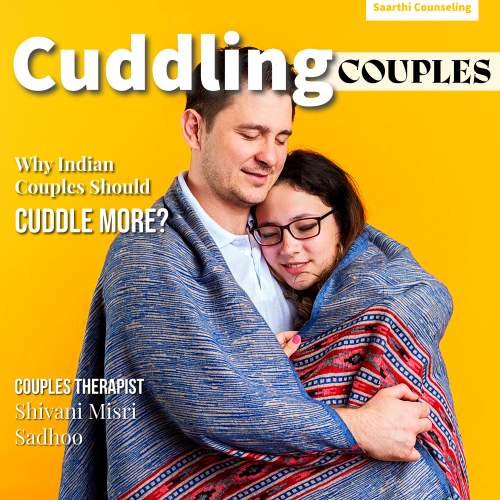
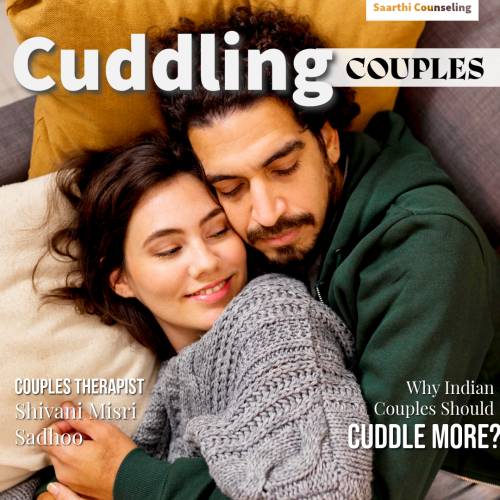
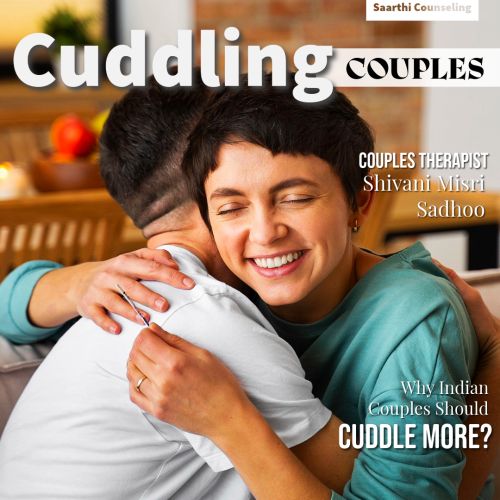
Why Indian Couples Should Cuddle More? Answers Relationship Expert

In many Indian households, love is often expressed through care, responsibility, and shared duties—but not always through physical affection. As work stress, digital distraction, and busy routines grow, couples are spending less time connecting emotionally and physically. One of the simplest yet most powerful ways to revive intimacy is cuddling.

Warm, non-sexual physical touch can deepen emotional security, reduce stress, and strengthen the bond between partners. For Indian couples, where affection can sometimes take a back seat in everyday life, cuddling offers a gentle but meaningful way to reconnect, says certified relationship therapist and one of Delhi’s most successful marriage counsellors Shivani Misri Sadhoo.

Why Cuddling Is Important Between a Couple?

Cuddling is more than just a cozy gesture—it’s a scientifically proven relationship booster. When partners hold each other, their bodies release oxytocin, often called the love hormone. This chemical improves trust, increases emotional bonding, and reduces anxiety. For couples living in high-pressure environments—nuclear family setups, demanding jobs, financial stress—this simple act helps regulate mood and create emotional balance.

Physical touch also builds a sense of safety. In Indian culture, where many people grow up with limited physical affection at home, cuddling can help partners feel valued, accepted, and emotionally nurtured. It’s a quiet reminder that no matter what the world throws at you, you’re not alone.

importance of Cuddling between Couples by marriage cousellor Shivani Misri Sadhoo

Deeper Explanation & Relationship Benefits of Cuddling

1. Strengthens Emotional Bonding

In long-term relationships, emotional connection can fade if not nurtured. Cuddling gives couples a way to express affection without words. It deepens closeness by creating a warm, supportive environment where partners feel listened to—even in silence. Over time, this increases trust, empathy, and companionship.

2. Reduces Stress and Improves Mental Health

Indian couples often juggle multiple responsibilities—work deadlines, family expectations, household duties, financial pressures. Regular cuddling reduces cortisol (the stress hormone) and stabilizes mood. After a long day, simply lying close together for a few minutes can calm the nervous system, reduce irritability, and promote emotional clarity. Couples who cuddle frequently report fewer arguments and better emotional resilience.

3. Enhances Romantic and Physical Intimacy

Cuddling acts as a bridge between emotional closeness and physical intimacy. When partners feel emotionally safe and physically connected, their romantic life naturally improves. For many couples, consistent cuddling rekindles passion, increases desire, and enhances overall satisfaction in the relationship. It keeps the spark alive without the pressure of performance.

importance of Cuddling between Couples by marriage cousellor Shivani Misri Sadhoo

4. Builds a Habit of Affection in a Culture That Often Holds Back

Many Indian couples hesitate to show affection, even privately, due to cultural conditioning. Creating a safe space within the relationship where touch becomes normal helps break emotional barriers. It encourages partners to express love more openly, leading to healthier communication and deeper bonding. Cuddling becomes a daily ritual that reinforces love beyond words.

5. Improves Sleep Quality

Sleeping close to your partner—whether spooning, hugging, or lightly touching—helps regulate breathing, reduces nighttime stress, and enhances sleep quality. For couples dealing with insomnia, overthinking, or anxiety, this shared comfort can be incredibly soothing. Better sleep also improves mood and patience, which directly benefits the relationship.

6. Encourages Security and Reassurance

Modern relationships face challenges like emotional distance, insecurity, or fear of losing connection. Cuddling acts as a reassurance mechanism—it tells your partner, “You matter. I’m here with you.”
This sense of safety strengthens commitment and reduces unnecessary misunderstandings or feelings of neglect.

7. Helps Navigate Conflicts Better

Couples who maintain regular physical affection tend to resolve conflicts faster. The warmth of touch calms emotions and encourages cooperation instead of confrontation. Even after an argument, a small gesture like holding hands or leaning against each other helps soften anger and rebuild harmony.

Cuddling is not just a romantic gesture—it’s a powerful relationship tool that Indian couples often overlook. In a culture where affection is subtle and routine responsibilities dominate life, taking a few minutes each day to cuddle can transform the emotional climate of a relationship. It strengthens trust, improves communication, boosts happiness, and deepens long-term compatibility.

If Indian couples embrace cuddling as a daily habit, they can build more emotionally secure, loving, and fulfilling relationships—one warm hug at a time.

Relationship Counsellor Shivani Misri Sadhoo - How to make your boyfriend talk after a fight

How To Make Your Boyfriend Talk after a Fight?

When you’re deeply in love with someone, it’s so easy to let certain things slide. In those early, starry-eyed days of love, everything feels magical — you’re wrapped up in affection, laughter, and the thrill of being together. But as that initial “lovey-dovey” phase begins to settle, reality slowly seeps in. You start noticing the small differences — the way you both think, react, and handle situations. Disagreements begin to show up, and that’s perfectly normal.

Contrary to what many people believe, conflicts don’t necessarily mean there’s something wrong with your relationship. In fact, they’re an inevitable part of any close emotional bond. Conflicts can either be constructive or destructive — it all depends on how couples handle them. When arguments leave you feeling unsafe, disrespected, or unresolved, they can become toxic. However, when it comes to the everyday disagreements and annoyances that every long-term relationship faces, expressing your frustrations and discussing them is not only normal but also necessary.

How to make your boyfriend talk after a fight by marriage Counsellor Shivani Misri Sadhoo

Interestingly, research shows that couples who argue — and resolve those arguments — tend to stay together longer than those who suppress their issues. The key lies in how you navigate those rough patches.

So, if you’ve recently had a nasty fight with your boyfriend and now find yourself facing the silent aftermath, wondering how to make him talk again, don’t panic. Silence after a fight can feel heavy, but it doesn’t have to mean the end of communication.

How to make your boyfriend talk after a fight by marriage Counsellor Shivani Misri Sadhoo

How to make your boyfriend talk after a fight?

Here are some thoughtful ways to break the ice and reconnect with him after an argument, shared by none other than Shivani Misri Sadhoo, one of the leading marriage counsellors and one of the best relationship therapists in India.

Stay Calm

Perhaps one of the first things you can do after a fight with your boyfriend is to disconnect for a while and calm yourself down. A calm mind helps you think clearly and logically and understand the situation better. When you are composed, you can express yourself without anger or blame, which makes it easier for your boyfriend to open up and talk. Giving yourself time to relax not only helps you regain balance but also creates space for honest and peaceful communication.

Choose Written Communication

You’ve just had a fight with your boyfriend and are not on talking terms at all. So, what next? How about turning to written communication? When words fail to come out face-to-face, writing can bridge the silence. Thanks to the digital age, messages travel faster than thoughts, giving you time to express feelings without interruptions or ego clashes. A simple text can ease tension, clear misunderstandings, and gently open the door to conversation once again.

How to make your boyfriend talk after a fight by marriage Counsellor Shivani Misri Sadhoo

Retrospection

Retrospection is vital after a heated argument, as it allows one to look inward and evaluate their actions and communication style. By identifying what triggered his anger or hurt, one gains clarity about emotional patterns and underlying issues. Taking accountability for one’s role instead of assigning blame fosters openness and trust. Often, what seems like a small disagreement hides deeper feelings—such as feeling neglected or misunderstood—and through reflection, these real concerns can be addressed, encouraging him to talk again.

Give Him Time To Think

Sometimes it is essential to give your boyfriend some space after a fight. As they say, silence is golden—and it truly is at times. He needs time to process his thoughts and emotions, which are probably tangled and intense right now. Don’t overburden him with constant messages or questions; instead, let him breathe. When the storm settles, approach him calmly, with understanding and warmth. A gentle tone and open heart can do wonders, making it easier for him to express what he truly feels.

Surprise Him

Conflicts or arguments can happen for many reasons, and sometimes emotions get the best of us. To help make your boyfriend talk after a nasty fight, you can take a gentle approach by surprising him with his favourite meal, a small gift, or something meaningful that shows you still care. This simple gesture can melt away anger and open the door for calm communication. Once he feels your effort and sincerity, he’ll be more willing to talk, understand your side, and make things right again.

Lend Your Ears

Once your partner is ready to talk, make sure you listen to him carefully. Lend your ears completely. Disconnect yourself from digital media to reconnect with him genuinely. Give him your undivided attention and let him feel that his thoughts matter. Avoid interrupting or defending yourself; instead, focus on understanding his emotions. Maintain gentle eye contact and use a calm tone to create a safe space. Sometimes, just being fully present can melt the tension and open his heart to speak freely again.

Conflicts are a natural part of any relationship, but how you handle them makes all the difference. Stay calm, reflect, give space, and communicate with empathy—whether through words or gestures. Listen with an open heart, show care, and let love guide you back to understanding and connection.

best marriage counselor in delhi_shivani misri sadhoo

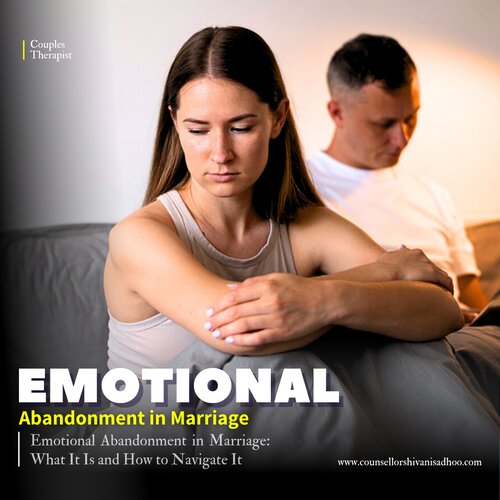
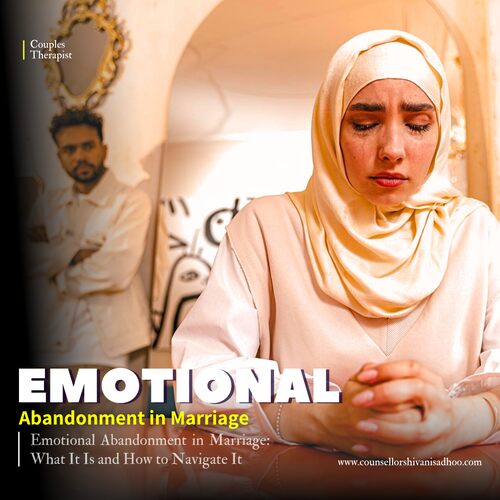
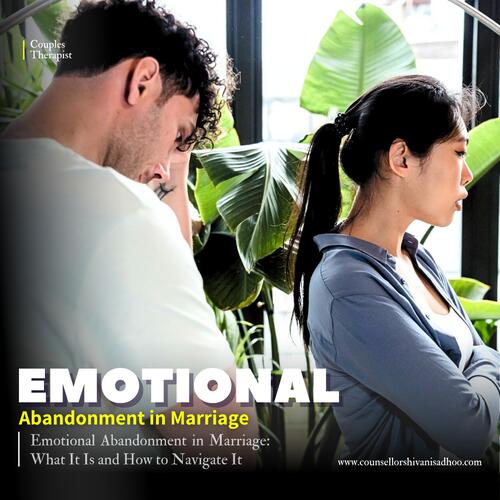
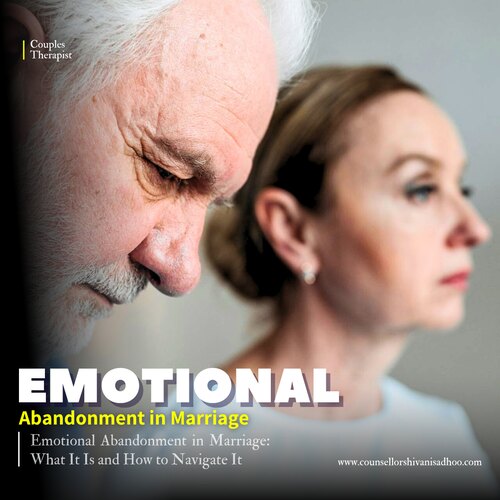
Emotional Abandonment in Marriage: What Is It and How Do We Navigate It?

When two people fall in love, what’s the first thing that connects them?

Is it the mind — where curiosity turns into comfort, where a stranger begins to feel familiar long before the heart catches up? Or is it that unexplainable physical pull that draws you closer before you even know why?

Honestly, it’s often our minds that meet first. Our emotions translate what words can’t — that quiet spark of recognition when a thought mirrors your own, when laughter feels shared rather than offered, when silence doesn’t demand filling. That’s the magic, isn’t it? Two minds leaning toward each other long before the souls follow and the hearts understand what’s unfolding.

But what happens when that same person — the one who once understood your pauses and lit up your brightest thoughts — turns distant? When warmth turns to indifference, and the shared language of love fades into one-word replies? When the home you built together feels more like a waiting room where no one calls your name?

Yes, we are talking about Emotional Abandonment — what it really is, and how to walk through it without losing yourself says Shivani Misri Sadhoo who is one of the most experienced couples therapist in Delhi, India.

What is Emotional Abandonment?

Sometimes, even in a marriage that is built on trust, communication, patience, and more importantly love, life has a way of making people drift without realizing it. Work pressure, family duties, the everyday hustle and bustle — they all add up, and slowly, two people who once felt like they were in a “made-for-each-other” kind of relationship become emotionally alien to each other. Then there are times when the emotional disconnect isn’t transient. The person who loved you so much, stops caring about your feelings.

best online counselor in delhi_shivani misri sadhoo

There is a great wall of silence that rises between you and your spouse. And, even though you’re under the same roof, it feels like you’re worlds apart — sharing space, but not a life. You feel unheard, unseen, almost invisible in a space that was once safe. Over time, that emotional gap turns into isolation and deep loneliness. This isn’t just distance — it’s emotional abandonment, a painful place where support fades, connection breaks down, and love feels like it’s there in name but missing in presence. It can happen over the years or all of a sudden. But whenever it happens, it hurts!

Why Does It Happen?

Some of the reasons this happens are:

Too Busy

We are living in an era where life spins endlessly in the orbit of busyness — where married couples, caught in the rush, slowly drift apart, and emotional abandonment takes root in the silence between them. Initially, they try to make it up by going for a late night coffee date or a weekend plan. But as time goes by, those gestures become band-aids on widening cracks. The late-night coffees turn into hurried takeaways, weekend plans become postponed promises, and conversations shrink into logistics — bills, schedules, responsibilities. What once felt like partnership now feels like parallel lives: two people moving in the same space yet rarely meeting in spirit. This takes a heavy toll on their emotional landscape-a slow erosion rather than a sudden collapse.

best marriage counselor in india_shivani misri sadhoo

Negative Experiences of Childhood

Sometimes, childhood experiences like neglect, abuse, or losing a caregiver can quietly shape how we love later in life. These can unknowingly lead to feelings of distrust, fear of getting hurt, and anxiety around closeness. A person may cling when they feel insecure or pull away to protect themselves. Without meaning to, they may create distance in the relationships they care about most, wanting connection but struggling to feel safe in it.

Money Matters

Sometimes constant financial stress and job insecurity can quietly strain a relationship. Your mind is more focused on solving financial problems and hence there is no room for emotional attachment. As time goes by, this constant state of worry takes a toll on their emotional relationship. When that happens, feelings of neglect and abandonment grow.

Personality Mismatch

One more reason for emotional abandonment comes from differences in personality. Some people are naturally introverted and prefer space, quiet, and time alone to recharge. Others are more expressive and seek frequent emotional connection. When these needs don’t match, misunderstandings grow. The introverted person may feel overwhelmed, while the other feels ignored or unloved. Over time, this gap in communication and emotional style can quietly push partners apart, creating distance without anyone meaning to.

Is there a solution to this problem? Let’s find out.

Ways To navigate emotional abandonment

Recognise The Problem

The first step should be to recognise the problem. There is no point dilly-dallying when you already feel the distance creeping in and hurting your relationship. Don’t you want to feel close and happy again? So go ahead and acknowledge that this emotional detachment is slowly building walls between you both. Once you name it, you can face it, talk honestly, and slowly reconnect instead of drifting apart.

best couples therapist in india_shivani misri sadhoo

Communication is Key

Communicate. Real communication is a two-way flow — you listen, you speak honestly, and you face what hurts instead of running from it. The more you talk, the lighter you feel, because sharing loosens the weight you’ve been carrying inside. Emotional abandonment begins to heal when two partners stay present, open up, and keep showing up with truth and patience. If you don’t express what’s hurting you inside, how will your partner ever know? Speak, release the unspoken, and let honesty bring you back to each other.

The Magic of Time

They say time is the greatest healer, so give it the space it needs. When you and your spouse feel emotionally detached, be patient and gentle with yourselves. Take it slow, stay steady in your efforts, and keep showing up even when progress feels small. Miracles do not happen overnight; time and steady intention soften wounds, rebuild trust, and slowly revive connection. With patience, honest effort, and a calm heart, emotional abandonment in marriage can gradually give way to closeness once again.

Spend Quality Time Together

Try giving sweet surprises to your better half. Plan a weekend trip to the place where you first met and relive those precious moments. You could also try something new together, like a fun activity or a creative workshop you both enjoy. The whole idea is to spend real quality time together—switch off your phone, disconnect from the outside world, and reconnect with each other. These simple efforts strengthen your emotional bond by reminding you both that love is not just spoken but shown through presence and intention.

Professional Guidance Helps

Sometimes professional guidance truly helps. A third person can counsel you in a neutral manner, seeing the situation from an outside perspective without judgment. A therapist or marriage counsellor uses specific tools and techniques to address the issues that are emotionally hurting both partners. Their support creates a safe space to express feelings, understand unmet needs, and rebuild trust. This process is especially helpful for healing emotional abandonment in a marriage, as it encourages reconnection, healthy communication, and renewed emotional presence.

Life is full of surprises — some lift us, some test us. Emotional distance can feel heavy, but it’s not the final chapter. When we notice the disconnect, speak openly, give time, create meaningful moments, and seek guidance when needed, love finds its way back. Healing begins when both hearts choose to stay present.

best couples counselor in delhi_shivani misri sadhoo

5 Amazing Habits That Make People Instantly Attractive to Others

We often think attractiveness is about looks, style, or physical features—but true attractiveness goes much deeper than that. It’s not just about how someone looks, but about how they make others feel. Some people seem to have a magnetic charm that draws others toward them effortlessly. You can sense their energy in the way they talk, listen, and carry themselves. The secret lies not in appearance, but in habits—the small, consistent actions that reflect inner confidence, kindness, and authenticity.

Which 5 Habits Make People Instantly Attractive to Others?

Here are five amazing habits that make people naturally attractive and deeply admired by others as explained by Shivani Misri Sadhoo who is one of the most experienced couples and relationship counselors in India.

shivani misri sadhoo_best online marriage counselor in india

1. They Radiate Positivity

Attractive people are not those who have perfect lives—but those who maintain a positive attitude, even when things don’t go their way. Their optimism is contagious. They focus on solutions, not problems, and find silver linings even in challenges.

When you’re around someone who exudes positivity, you feel lighter, more hopeful, and more at peace. That’s because positivity shifts energy—it turns ordinary moments into uplifting ones. Whether it’s greeting others with a smile, showing gratitude, or encouraging people during tough times, their attitude becomes a source of warmth and comfort.

A positive mindset doesn’t mean pretending everything is fine—it means believing in possibilities. People who embody this habit inspire others to do the same, which makes them irresistibly magnetic.

shivani misri sadhoo_best marriage counselor in delhi

2. They Truly Listen and Make Others Feel Heard

One of the most underrated yet powerful habits is active listening. We live in a world where most people listen to reply, not to understand. But attractive individuals do the opposite—they listen with genuine attention. They make eye contact, nod, ask thoughtful questions, and remember details.

When you talk to them, you feel seen, valued, and respected. They don’t interrupt or dominate the conversation; they let you express yourself freely. That’s why people naturally open up to them—they create a safe emotional space.

This habit signals emotional intelligence and empathy—qualities that build trust and deepen connections. Being a good listener isn’t just polite; it’s profoundly attractive because it shows you care about others more than your own ego.

3. They Carry Themselves with Confidence, Not Arrogance

Confidence is one of the most universally attractive traits—but it’s important to understand that true confidence is quiet. It doesn’t demand attention; it attracts it naturally.

People with genuine confidence are comfortable in their own skin. They don’t try to prove their worth to others, nor do they need validation to feel good about themselves. They know their strengths, accept their flaws, and stay grounded.

Unlike arrogance, which pushes people away, real confidence invites respect. It’s reflected in posture, eye contact, tone, and how they treat others. When someone walks into a room with calm assurance and humility, they instantly stand out—not because they’re loud, but because they’re secure.

india's top couples therapist_shivani misri sadhoo

4. They Show Kindness Without Expecting Anything in Return

There’s something deeply beautiful about people who are kind—not because they want recognition, but because it’s simply who they are. Kindness has a way of leaving a lasting impression. It could be as simple as holding the door open, offering help without being asked, or speaking with compassion instead of judgment.

Truly attractive people see others as human beings, not as means to an end. They treat everyone with respect—whether it’s a colleague, waiter, or stranger. Their kindness makes them approachable and trustworthy.

Research even shows that kindness activates a “warm glow” in both the giver and receiver, fostering emotional connection. People remember how you make them feel—and kindness ensures they remember you fondly.

5. They Are Authentic and Comfortable Being Themselves

In a world obsessed with filters, perfection, and social approval, authenticity stands out like a breath of fresh air. Attractive people don’t pretend to be someone else—they embrace their uniqueness. They speak honestly, express their opinions with respect, and aren’t afraid to show vulnerability.

Authenticity creates connection because it signals realness. When someone is unapologetically themselves, it gives others permission to be real too. That kind of honesty builds trust faster than any charm or pretense ever could.

Being authentic also means having the courage to say “no” when needed, and standing by your values even when it’s inconvenient. That quiet integrity makes such people truly admirable.

True attractiveness isn’t about appearance—it’s about energy, attitude, and empathy. The most magnetic people are those who uplift others, listen deeply, live confidently, show kindness, and remain genuine.

When you cultivate these five habits, you don’t just become more attractive—you become more alive. People will be drawn to your authenticity, your warmth, and your positive presence. And that kind of beauty never fades.

Stages of Marriage and marital therapy by Shivani Misri Sadhoo

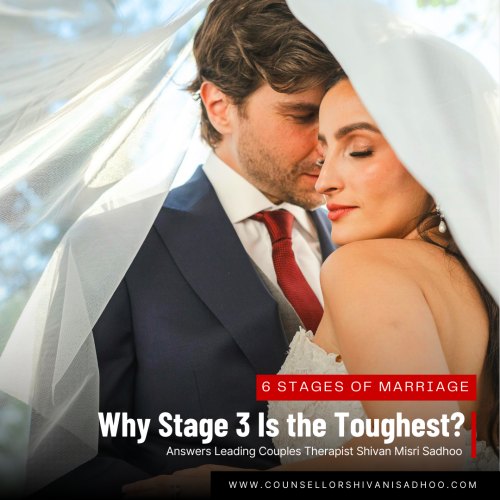
What are the 6 Stages of Marriage? Why Stage 3 is The Toughest?

Marriage is a journey full of growth, discovery, and sometimes challenges that test the bond between two people. While every relationship is unique, most marriages tend to go through recognisable stages. Understanding these phases can help couples navigate difficulties, strengthen their connection, and set realistic expectations, says Shivani Misri Sadhoo, a leading relationship expert and one of the top marriage counsellors in Delhi and India.

marital challenges and relationship counselling by Shivani Misri Sadhoo

Questions You Might Ask

1. Why do couples often face the most difficulties in the early years of marriage?

Many challenges emerge as couples move beyond the initial excitement of marriage into the realities of everyday life. Differences in habits, communication styles, and expectations can surface, often leading to conflict if not addressed consciously.

2. Can a marriage survive Stage 3, the Power Struggle?

Yes. Stage 3 can feel intense, but with open communication, mutual understanding, and a willingness to grow, couples can emerge stronger. It’s less about avoiding conflict and more about learning to navigate it together.

What are the 6 Stages of Marriage? Why Stage 3 is The Toughest?

6 Stages of Marriage, as explained by couples therapist Shivani Sadhoo

Stage 1: The Honeymoon Phase

This is the period of excitement and idealisation. Everything feels new and thrilling, and couples often overlook imperfections as they focus on love and connection.

Stage 2: Reality Sets In

As the initial excitement fades, differences between partners become more apparent. Habits, routines, and even quirks that were previously endearing can now feel challenging.

Stage 3: The Power Struggle

Often called the toughest stage, this is when conflicts and disagreements become more frequent. Couples question whether the marriage will last and confront unresolved personal or relational issues. The emotional intensity can feel overwhelming, but it’s also a stage that provides the opportunity to build resilience and a deeper understanding if navigated consciously.

Stage 4: Rebuilding and Acceptance

After working through conflicts, couples start to regain trust and understanding. Acceptance of each other’s differences and the ability to compromise strengthen the foundation of the relationship.

Stage 5: Deep Connection

By this stage, couples often feel a profound emotional and spiritual bond. They communicate more effectively, support each other’s growth, and share a sense of partnership that goes beyond surface-level romance.

Stage 6: Legacy and Purpose

Here, couples focus on building something bigger than themselves, whether it’s family, community, or shared goals. There’s a sense of fulfilment in contributing together and leaving a lasting impact.

What are the 6 Stages of Marriage? Why Stage 3 is The Toughest?

Identifying Your Stage

Recognising which phase your marriage is in can help you manage expectations, enhance communication, and approach challenges more intentionally. If you find yourself in Stage 3, remember that feeling tested doesn’t mean failure—it’s an opportunity for growth.

Strategies to navigate Stage 3 include:

  • Seeking couples therapy or professional guidance
  • Reconnecting emotionally and fostering intimacy
  • Prioritising personal growth alongside relational growth
  • Learning constructive conflict resolution techniques

Marriage isn’t a final destination but an ongoing journey. Each stage has its purpose, and even the toughest periods, like Stage 3, can strengthen the bond between partners when approached with patience and commitment.

Why People Stay Single relationship tips

Why Are You Still Single? 4 Key Reasons That Often Make People Stay Single

Being single is not a flaw. It can be a conscious, empowered, and deeply fulfilling choice. While society often paints romantic relationships and marriage as the ultimate milestones of adult life, many people are choosing a different path. They don’t see marriage as the be-all and end-all. Instead, they prioritise personal growth, career goals, creative pursuits, spiritual exploration, and deepening connections with friends and family.

Reasons why you are still single answers Shivani Misri Sadhoo

What makes one stay single?

If you are wondering why some people genuinely love staying single, here are four reasons shared by leading relationship and marriage therapist Shivani Misri Sadhoo.

1. They love their Independence

One of the biggest reasons people enjoy staying single is the freedom that comes with it. Relationships often involve compromises, shared responsibilities, and constant coordination—which can feel limiting for those who deeply value their independence. When you’re single, you can set your own schedule, chase personal goals, and make decisions without having to factor in someone else’s needs.

That kind of autonomy can be incredibly fulfilling, especially for those who thrive on self-reliance and personal growth. Choosing to stay single doesn’t mean someone is selfish—it simply means they’re prioritising their own well-being and sense of identity. And there’s nothing wrong with that.

2. Painful Past Experience

Another reason some people choose to stay single is because of painful past experiences. When someone has been deeply hurt in a previous relationship, it can leave emotional scars that take a long time to heal. The fear of being hurt again makes it hard to trust or open up.

Even if they want love, the memories of heartbreak hold them back. Staying single becomes a way to protect their heart, to avoid the pain they once knew too well.

are you still single relationship tips by Shivani Misri Sadhoo

3. Longing and Boundaries

Some people avoid relationships because their emotional needs feel too intense, even shameful. They fear being a burden, so they isolate themselves to protect others—and themselves. Others are aware of their neediness but try to manage it, often shaped by early experiences with emotionally demanding caregivers.

They might avoid intimacy to protect their boundaries or fear being overwhelmed by a partner’s needs. Both responses are valid and deeply human. Healing starts by understanding your story, accepting where you are, and gently making space for both connection and self-protection.

4. Avoid Commitment

Some people stay single because they fear commitment—not out of coldness, but from a deep, often quiet vulnerability. The idea of merging their life with someone else can feel suffocating or risky. Maybe they’ve seen relationships fall apart or felt trapped in the past.

Commitment demands trust, openness, and emotional risk, which can be daunting. For them, staying single offers a sense of control and emotional safety. It’s not that they don’t crave connection—they just struggle with the weight of promises that feel too heavy or permanent to carry.

In a nutshell, people stay single for all sorts of deeply human reasons—some love their freedom, others are healing from old wounds. Some guard their hearts with healthy boundaries, while others quietly fear the weight of commitment. Whatever the reason, choosing to stay single can be a brave, thoughtful, and beautifully intentional way to live.

best marriage counselor in india_shivani misri sadhoo

Common Reasons for Filing for Divorce in 2025

Marriage, ideally built on love, trust, and mutual respect, can sometimes face challenges that become too difficult to resolve. In 2025, despite greater awareness of relationship counseling and increased societal acceptance of personal choices, divorce rates remain significant across many parts of the world.

With evolving lifestyles, digital influences, and changing expectations, the reasons couples choose to part ways have also transformed. Understanding these reasons is crucial not just for legal or social insights, but also for helping couples recognize potential issues before they escalate.

What are some of the common reasons for filing for divorce in 2025?

Below are some of the most common reasons people are filing for divorce in 2025 as explained by India’s top couples therapist and marriage counselor Shivani Misri Sadhoo.

best marriage counselor in india_shivani misri sadhoo_divorce filing reasons 2025

1. Communication Breakdown

A consistent lack of healthy communication continues to be one of the primary causes of divorce in 2025. Misunderstandings, emotional detachment, and an inability to openly express feelings often result in growing distance between partners.

With the rise of digital distractions—such as smartphones and social media—many couples find themselves engaging more with screens than with each other. This weakens intimacy and emotional connection, often leading to feelings of isolation within the marriage.

2. Financial Stress and Disagreements

Money remains a major stressor in marriages. In 2025, inflation, job market uncertainty, and differing financial priorities have led to increasing conflicts over spending, saving, debt management, and lifestyle expectations.

When one partner is a saver and the other is a spender, or if one hides financial matters from the other (financial infidelity), trust can erode quickly, resulting in irreconcilable differences.

3. Infidelity and Emotional Affairs

While physical infidelity has always been a significant ground for divorce, emotional affairs have become increasingly common in the digital age. Platforms like Instagram, dating apps, and even professional networking sites can create opportunities for inappropriate connections.

Emotional affairs, even if not physical, can be deeply hurtful and betray the core intimacy of a marriage. In 2025, the boundary between friendship and emotional infidelity is more blurred, making this a growing concern in marital disputes.

best couples therapist in india_shivani misri sadhoo

4. Incompatibility and Evolving Personalities

Many couples cite “growing apart” as a reason for divorce. Personal growth and change are natural, but when two people evolve in vastly different directions—whether in career ambitions, values, or lifestyle preferences—the relationship may suffer.

In 2025, with more people pursuing independent goals, personal development, and self-care, couples often find that their once-shared vision of life no longer aligns.

5. Mental Health Issues and Lack of Support

Awareness around mental health has increased significantly, yet not all partners are equipped or willing to support a spouse going through psychological challenges. Untreated depression, anxiety, or substance abuse can strain the emotional fabric of a relationship.

If one partner feels neglected or burdened by the other’s issues, and if professional help isn’t sought, it can lead to a breakdown in the marriage.

6. Domestic Abuse and Toxic Behavior

Domestic abuse—whether physical, emotional, or psychological—remains a grave reason for divorce. In 2025, more people are speaking out against abusive partners, thanks in part to stronger support systems and awareness campaigns.

Toxic patterns like gaslighting, controlling behavior, or persistent disrespect are no longer tolerated as they might have been in previous decades.

In 2025, the reasons for divorce reflect not only age-old issues but also modern challenges brought on by technology, changing gender roles, and evolving personal expectations.

While divorce can be painful, recognizing these root causes can encourage couples to seek early intervention or, if necessary, choose separation as a step toward individual well-being and growth.

Betrayal Pain Causes Psychological Trauma marriage counselling

Betrayal Pain – Psychological Trauma

Discover how betrayal pain can unveil hidden psychological trauma, explained by renowned Delhi marriage counselor Shivani Misri Sadhoo.

Betrayal isn’t just about broken trust — it’s a deep emotional wound that can cut to the core of a person’s sense of self, safety, and stability. Whether it stems from a partner’s infidelity, a friend’s deception, a parent’s neglect, or a coworker’s manipulation, betrayal can be a form of trauma.

Yet, many people don’t recognize it as such. They move forward carrying invisible scars, unaware that their anxiety, trust issues, emotional numbness, or even chronic self-doubt may be symptoms of something much deeper, betrayal trauma, says Shivani Misri Sadhoo who is a leading relatoinship expert in India and one of the best marriage counselors in Delhi.

How Betrayal Pain Causes Psychological Trauma?

How Betrayal Pain Causes Psychological Trauma?

Psychological trauma from betrayal occurs when someone we rely on for safety, emotional support, or love violates that trust. This rupture in the relationship can trigger a fight, flight, or freeze response in the brain.

The body reacts as if it’s in danger, flooding the system with stress hormones like cortisol and adrenaline. When the betrayal is ongoing or occurs within a close relationship, such as with a spouse, parent, or long-time friend, the trauma can be even more severe because it disrupts the very foundation of emotional security. The pain of betrayal can manifest in several ways:

  • Loss of Identity: Many people define themselves in relation to others. When a trusted person betrays you, it can feel like a personal failure. Victims may question their own worth or judgment, leading to a fractured sense of self.
  • Hypervigilance and Mistrust: The brain, once betrayed, often becomes wired to expect betrayal again. This can lead to hyper-awareness, mistrust in new relationships, and difficulty forming emotional bonds.
  • Emotional Numbing: To avoid future pain, people may suppress emotions or detach from relationships entirely. This self-protection can create feelings of isolation and depression.
  • PTSD-like Symptoms: Flashbacks, intrusive thoughts, nightmares, and a constant sense of unease can emerge, especially if the betrayal was traumatic or repeated.
How Betrayal Pain Causes Psychological Trauma?

Understanding and Healing from Betrayal Trauma

One of the biggest challenges in addressing betrayal trauma is that it often goes unrecognized. Because the hurt is caused by someone known and trusted, many victims feel ashamed or confused. They may minimize the betrayal or blame themselves, rather than acknowledging the severity of the emotional injury.

Healing begins with recognition. Identifying that you’ve experienced betrayal trauma is the first step toward recovery. Talking to a mental health professional, especially one who specializes in trauma, can help you process the emotions, understand the patterns, and rebuild self-trust.

Therapeutic methods such as cognitive behavioral therapy (CBT), and inner child healing can be particularly effective. Building supportive relationships, practicing self-compassion, and engaging in grounding activities like journaling or meditation also aid recovery.

Betrayal trauma is real, and its effects run deep. If you find yourself reacting strongly to situations that seem minor, struggling to trust others, or feeling disconnected from yourself, it might be time to look deeper. Understanding that your pain has a name and that it is valid is the beginning of healing. You are not alone, and with the right support, it is possible to move beyond betrayal and rediscover safety, connection, and peace within.

shivani sadhoo best marriage counselor in delhi

7 Reasons Why Women Cheat, According to the Experts

For many couples, infidelity is a devastating experience. When a partner admits to cheating, it can shatter trust and put the relationship at serious risk, whether dating, engaged, or married. While the media often portrays men as the usual cheaters, the gap between men’s and women’s infidelity has narrowed significantly over the years.

According to data from the 2022 Global Social Survey (GSS) by the University of Chicago, about 20% of men and 13% of women confessed to cheating on their spouse. Another survey by YouGov in 2019 reported similar results, with 20% of men and 10% of women admitting to infidelity. Over recent decades, the number of women who cheat has steadily risen, showing a clear shift. But even with these statistics, one key question lingers: Why do women cheat?

Why Do Women Cheat?

Marriage counsellor Shivani Sadhoo says the rise in women’s infidelity is often linked to the changing roles and independence that modern women experience. With more financial freedom and career opportunities than in past generations, many women feel empowered and open to exploring choices that weren’t as accessible before. As women gain autonomy, expectations for marriage have shifted, moving from traditional roles to a desire for deeper emotional connection, happiness, and friendship within the relationship.

Additionally, relationship dynamics tend to shift over time, making it harder for long-term partners to fulfill all of each other’s needs. Today, many people look for a partner who aligns with them in terms of emotional intelligence, career achievements, lifestyle, and shared goals. As these individual needs evolve, some may seek affirmation or connection outside the relationship, especially when feelings of being desired or appreciated become less accessible in a long-term partnership.

Why Women Cheat: 7 Key Factors

Delhi’s leading marriage counsellor Shivani Misri Sadhoo shares seven factors that make women cheat.

shivani sadhoo_best marriage counselor in delhi

Emotional Disconnection

Emotional intimacy is often a foundation in relationships, and when it fades, women may feel isolated or neglected. If they aren’t feeling supported, heard, or valued by their partner, the need for emotional closeness might lead them to seek it elsewhere.

Lack of Physical Intimacy

A drop in physical intimacy can make women feel less desirable and connected. This void, especially in long-term relationships, may prompt them to look outside the relationship for the affirmation and warmth they miss.

Seeking Validation

Everyone wants to feel appreciated, and when self-esteem dips, some women may seek validation from others to feel attractive and valued. This need for reassurance can be especially compelling if they aren’t receiving it within their primary relationship.

Opportunity and Independence

With increasing financial and social independence, women have more freedom and agency than previous generations. The ability to make their own choices can sometimes extend to exploring options outside their relationship when needs aren’t met.

Boredom or Stagnation

Routine can dull the excitement that once defined a relationship. When things start feeling predictable and unstimulating, women may be tempted to find new excitement and passion in a different connection.

Resentment or Revenge

Unresolved hurts or betrayals, whether related to infidelity or other breaches of trust, can cause feelings of resentment. For some women, infidelity may seem like a way to “even the score” or address the pain they’ve experienced.

Curiosity and Personal Growth

Sometimes, women may feel the need to explore or grow beyond their current relationship, especially if they feel it’s limiting. The urge to understand themselves in different scenarios or meet new people can lead to actions outside their relationship.

Cheating is never a justified choice—it’s always better to end a relationship before starting something new. However, understanding why women may be unfaithful can be insightful. Most reasons for infidelity often point back to unmet needs within the relationship. Focusing on maintaining a strong connection and ensuring both partners feel fulfilled can be essential in keeping the partnership healthy.

relationship expert in delhi_shivani sadhoo

A Woman Usually Displays These 5 Behaviors if She Is Truly in Love

Love is one of the most powerful emotions a person can experience, and it often manifests through subtle yet significant behaviors. When a woman is truly in love, her actions will reflect her deep affection and commitment toward her partner. Understanding these behaviors can provide insights into how she feels and her intentions in the relationship.

What are the signs usually shown by a woman that suggests she truly is in love with you?

Here are five behaviors that a woman usually displays when she is genuinely in love, says Delhi’s top marriage and family therapist Shivani Misri Sadhoo in this blog.

couples therapist in delhi ncr-shivani sadhoo

She Prioritizes Your Well-Being

One of the most common signs that a woman is truly in love is her concern for your well-being. She will often go out of her way to ensure that you are happy, healthy, and emotionally secure. Whether it’s reminding you to eat well, helping you through tough times, or simply lending an ear when you need to talk, she will be actively involved in your life. This level of care isn’t just about being attentive; it’s about wanting the best for you in every aspect of your life.

In love, she may make sacrifices to make your life easier or better. This doesn’t mean she’ll lose herself in the process, but her genuine care and effort to make you comfortable is a significant indicator of her feelings.

She Is Fully Present

In today’s fast-paced world, being truly present with someone is one of the most powerful ways to show love. A woman who is in love will give you her undivided attention when you’re together. Whether you’re having deep conversations or simply spending quiet moments in each other’s company, she will make you feel like you are the most important person in the room.

Her body language will also reflect this presence. She’ll maintain eye contact, lean in when you speak, and engage fully in the conversation. This genuine focus on you is her way of showing that she values your relationship and cherishes the time you spend together.

She Shows Unconditional Support

When a woman is truly in love, she becomes your biggest supporter. She will encourage your dreams and ambitions, even when they seem far-fetched. Her love translates into believing in you, sometimes even more than you believe in yourself. She will offer advice when you need it but will also give you the space to pursue your passions and make your own choices.

This support can also manifest during challenging times. Whether you’re dealing with work stress, family issues, or personal challenges, she’ll stand by your side. Her ability to be there for you through thick and thin is a strong indication of her love and commitment.

She Includes You in Her Future Plans

A woman in love will naturally begin to include you in her long-term plans. Whether it’s discussing future vacations, career goals, or even family planning, her thoughts of the future will often involve you. She will be eager to share her dreams and hopes for the future with you, and she’ll want to hear yours too.

This is a clear indication that she sees you as part of her life moving forward. The desire to build a future together shows that her love for you goes beyond the present moment and extends into the years ahead.

She Is Vulnerable and Trusts You

True love involves vulnerability and trust. When a woman is truly in love, she will open up to you about her deepest thoughts, fears, and insecurities. This openness isn’t a sign of weakness but rather a sign of trust. She feels safe enough with you to share her true self, knowing that you will accept her as she is.

Being vulnerable also means that she trusts you with her emotions. She’ll be honest about how she feels and won’t shy away from expressing her affection. This emotional transparency is a strong sign of her love because it shows that she’s willing to invest in the relationship on a deep, emotional level.

When a woman is truly in love, her actions will speak louder than words. From prioritizing your well-being to including you in her future plans, these behaviors reflect the depth of her feelings. If you notice these signs in your partner, it’s a good indication that her love for you is genuine and lasting. The key to maintaining such a relationship is mutual respect, communication, and reciprocation of these loving behaviors.