Tag Archive : relationship counseling in Delhi

Indian marriage counselor blog ShivaniSadhoo

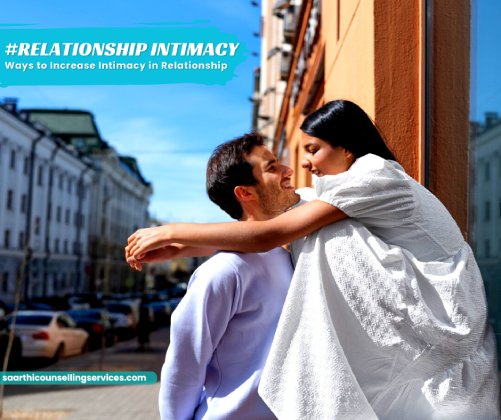
Intimacy in a Relationship, what it is All About?

According to The Oxford English Dictionary intimacy has been defined as the “inmost thoughts or feelings; proceeding from, concerning, or impacting one’s inmost self: closely personal.”

While couples therapist Shivani Sadhoo says, from a psychological or relationship’s view intimacy generally, denotes mutual vulnerability, openness, and sharing. It is mostly present in close, loving relationships like in marriages and friendships. The word is also at times used to refer to sexual interactions, but intimacy does not have to be restricted to be sexual only.

Though intimacy could undoubtedly exist beyond romantic relationships, it most usually pertains to dating and marriage. The word intimacy has been derived from Latin word “intimus,” which means ‘inner’ or ‘innermost. In the majority of romance languages, the word intimate refers to an individual’s innermost qualities.

Intimacy lets people bond with each other on multiple levels. Therefore, it is a mandatory component of healthy relationships.

couples counseling shivani misri sadhoo

Through this blog, India’s eminent marriage counselor Shivani Sadhoo covers the different forms of intimacy and how you can make more of it in your relationship.

What are the types of intimacy that exist in a relationship?

Upon hearing the word, most of you perhaps instantly jumped to thinking about physical intimacy, but other forms of intimacy are simply as important, particularly when it comes to romantic relationships. Let’s have a look at some different kinds of intimacy.

Physical intimacy

While holding a hand or hugging are both examples of physical intimacy, this form is most commonly used in reference to sex. And while sex is integral in relationships, you can also showcase physical intimacy through kissing, holding hands, cuddling, and skin-to-skin contact.

While these minor physical displays of affection might seem mundane, they can actually help you and your partner cultivate a feeling of bonding and closeness.

With reference to sex, a part of intimacy is also about feeling safe enough with your partner to share your likes and dislikes. Make certain that you are asking for the same piece of information from your partner. In this manner, you can facilitate a safe haven where both of you will feel comfortable sharing your deepest thoughts, needs, and desires.

Emotional

Emotional intimacy can also be one of the most vital aspects of a relationship. One specific journal defined emotional intimacy as involving “a perception of closeness to another that lets sharing of personal feelings, accompanied through expectations of understanding, affirmation, and demonstrations of caring.

To harvest emotional intimacy, take the proper time to listen to and share with your partner every day. Also, make notes of special moments or things that remind you of your special one so that you can let them know you are also thinking about them.

Studies have suggested that self-disclosure helps build feelings of intimacy inside marriages, which will make your bond even stronger. A big part of it is sharing your thoughts and feelings with transparency, honesty, and listening to your loved ones when they do the same.

marriage counseling blog by shivani sadhoo

Experiential

While couples do not have to be joined at the hip, shared experiences are essential in healthy relationships. They are also mostly the way that relationships start, so experiences could even add an aspect of nostalgia for long-term partners.

If you are looking to deepen your experiential intimacy, this is an excellent moment to book a trip or try out a fun new date spot or activity in your city. Try to learn something new with regard to your partner.

Intellectual

See, you do not have to watch a specific TV show together every single night, but it could be fun to have intellectual conversations with your significant other, mainly if you work in different fields. Find new topics to discuss; simple website searches pull up tons of conversation starters.

If you put good effort into having conversations beyond the everyday monotony, it will keep things fresh within your relationship.

Spiritual

While this could be referring to religious ideas and beliefs, it also means something way more profound, such as sharing actual beliefs and values. Your values and beliefs could align with religion or even general health and wellness. Regardless, it is necessary to share these vital aspects of your life with your partner.

This could also be an opportunity for you and your partner to talk about what role you exactly want spirituality to play in your lives if you have a family.

Methods to form intimacy

Not an issue of how long you two have been together, it is always important to develop your intimacy levels. Here are certain simple, practical methods to enhance and expand your levels of intimacy in your relationship:

  • If you are not in the mood or are extremely exhausted from having sex or even talking, cuddle on the couch.
  • Plan for a trip to a place neither of you has earlier been to. It is fun to experience new things for the first time.
  • Keep aside the gadgets even if it is only during a meal or while you and your partner watch a show together. Rather, make certain to do this if your partner is talking to you about their day or a specific experience.
  • While listening to your partner, make yourself completely emotionally present to them. If you at all cannot manage to do this when they are talking to you, calmly explain your case why and then set aside a specific time in the future to listen to what they have to say.
  • Send each other articles so that both of you can have fun and something new to discuss. This also assists in building intellectual intimacy, and it could provide you a much-required mental break if you have kids, or a caregiver to another loved one in the extended family.

Related Blog Post on Intimacy and Relationship

https://www.saarthicounsellingservices.com/blog/reasons-a-tender-touch-cultivates-best-marriage-counselor-india

couples therapist shivani misri sadhoo

Biggest Mistakes Couples Commit Before They Get Married

So, you could only talk about all the great things that come along with your marriage, or you can be realistic and prepare yourself with what you really require to make your marriage last and successful yep, you could be in an extremely different world and walk around wearing rose-colored glasses. But divorces yet happen.

Then there is a new generation who are actually realistic about their marriage and up for the challenge to do what it takes to make the marriage one that they can be proud of and really enjoy.

Couples Therapist Shivani Sadhoo concedes that in her career as a therapist she had the honor of stepping into people’s relationships and supporting them to connect a few dots that had been left out post the marriage. She further adds that she has witnessed the ups and downs rights and lefts and crossroads in between.

What are some of the biggest mistakes couples make before they get married?

Here are very common mistakes that couples commit before they got married that eventually turned out to be the cause of their separation or divorce. Through this blog India’s eminent couples therapist Shivani Misri Sadhoo is going to share these mistakes, further hoping that you will be different and have a better probability as a couple.

marriage counselling shivani misri sadhoo

Getting married because of all the “wrong” reasons

Indeed it is the bitter truth, but the reality is several couples simply dive into the marriage because of certain or several wrong reasons. Depending upon each individual and also couples.

Some of the listed examples are:

  • You feel pressurized due to friends, family, relatives, and yourself or get an ultimatum from your partner if in a relationship.
  • You have been dating for quite some time and it’s simply time.
  • Your friends or peers have kids, now you wish to have kids
  • Compare yourself to friends, and acquaintances and do not want to get old and be the sole one not married.
  • You think you are all alone, and for simply that you need a partner.
  • Another bitter reality is that certain individuals simply want to get married so that they can enjoy physical gratification.

Do not know themselves completely

The most essential relationship you will ever have is the sole one you have with yourself. If you do not take the time to get to know yourself completely, your values, your passions, your limitations, and your deal breakers, your challenges, or complexities how could you ever share them with your partner?

One of the most crucial things you need to do in an attempt to make your marriage work successfully is to know yourself fully and be able to articulate your needs, desires and wants to your spouse in a manner they understand and want to provide them to you.

Lapsing while discussing goals

You are either able to let your marriage happen to you or you can make it happen the manner you want it to be developing goals and a vision that you can both get equally excited about. Having goals not just provides a common passion for you to work on together as a team, but it also lends excitement to your relationship since, you now have things to look ahead to.

Getting too clouded by the thought of a wedding

Alright, you cannot leave out the wedding. True, it is all quite exciting and has its own place in the process. Simply, do not make it the sole thing you think about. Make it awesome, but do not allow reality to subside in an effort to get into a flower and cake fantasy story. Doing that has the strength to blind you to the ground realities that will come along with being a new wife or husband.

Never do some sort of preparation and actually investigate and educate themselves

Certain research indicates that merely twelve marriage preparation sessions lower your odds of divorce by close to 50%. Also, there is a marriage movement going on where marriage coaches, educators, and experts everywhere are giving ridiculous amounts of information, tips, and skills for engaged couples to support and prepare for their marriage. In fact, there are couples who say they’d never have an unsupervised marriage.

When you get ready and have someone to assist you to navigate and negotiating, it makes things a lot better and easier. You know as they say, “work smarter, not harder!” It also fits for marriage.  Now there is no excuse, since, the information is out there. You will not go swimming or drive a car without learning how correct? So why would you even commit to a life of something that too with someone without learning how? Never do it.

Do not ask relevant and sufficient questions

Asking questions beforehand and the most essentially relevant question in your relationship is one of the most vital and inexpensive ways to form a solid foundation for your marriage. Talking regarding roles, household responsibilities, finances, in-laws, social activities, intimacy, sex, and various other important topics can create a world of a difference in the future of your marriage.

Hopefully, you will learn from the mistakes of several others who have taken the path you are about to initiate. Remember though, a mistake is not MANDATORILY a bad thing. In an attempt to truly experience love in its purest manner, you should be willing to take risks. If you never take any sort of risk, you would never commit any “mistakes.”

And if you never do any mistakes then you will never learn about the proper way to do things for yourself and subsequently for your partner.  So embrace life and never beat yourself up if you make an error, simply make certain you learn something from it to take ahead with you.

No doubt that marriages never work on a fixed formula, but being prepared and doing the right things at the right time can certainly save plenty of heartaches.

dating challenge relationship tips by shiavni sadhoo

Do You Need to Heal, Before Starting a New Relationship?

Avantika’s Story (Not real name)

Hardly a couple of years went into their marriage when Avantika and Rohan (not real names) were thinking about getting a divorce. Avantika was pondering where she went wrong. She analysed back the last couple of years of her marital life and the destruction of her first marriage and then how she met another man named Vishal (name changed) after some time post her divorce. Like Avantika, Vishal too was divorced and they found comfort and distraction both in each other’s company, which eventually turned into likeliness for each other.

Then, suddenly Avantika was feeling as if she had moved on too quickly, and more importantly, has she been able to completely heal from her last broken relationship prior to jumping into the next.

She posed a question to her and also to me when she came for the counseling, says Shivani Sadhoo. The question was “does she completely need to heal before initiating a new relationship”?

What is The process of grief and healing?

Shivani says first, one needs to delve deeper into the question. What do you mean by healing? Does anyone ever “fully” heal? How can one know when they are ready to begin again?

Grief is a cluster of emotions one experiences when one loses someone with whom they had emotional attachments. The feelings one has when grieving is usual, but the majority of the time, they are unpleasant. People look to want them to go away. What requires to be understood though is that these feelings have a reason. Sadness assists you to step away from others and see inward. It presents you with time to analyze yourself and come to realities with your own responsibilities and mistakes. It lends you time to think about the future you wish for and to gradually take steps forward.

There are other feelings while you grieve. Anger is a potent emotion that helps one make changes, but it mostly becomes a source of bonding that could cause problems. Grieving people could join with one another in a relationship formed on their anger at their ex-partners and rapidly bond over that commonality. These relationships may grow fast and feel very powerful, but they require much more than simply shared anger as a basis.

William Worden in his book “Grief Counseling and Grief Therapy” talks of recovery as a four-step First, you should accept the reality of the loss and start to see the opportunities for a new future. Secondly, one needs to feel the feelings of loss. This is the step majorly avoided but it is necessary. Third, you should adjust to the facts of life without the other. The fourth process is letting go of the lost partner and searching for a new, meaningful relationship. These new relationships may be romantic or they could be something else.

Last thought

How much time does it take? People attempt to put a time frame on this procedure, but it’s difficult to measure things in that manner. You might never feel “totally healed.” If you wait for that, you might never move ahead. How do you get to know you are healed enough? When are you actually ready? When the feelings of sadness and loss start to lift when one is alone with their thoughts, and their imagination begins accepting thoughts of a brighter future… one is starting to get there.

This blog is written by top relationship and marriage counselor Shivani Misri Sadhoo.

marriage counsellng tips for partners lost interest

My Spouse Does Not Find Me Attractive Anymore

Couples Therapist Shivani Misri Sadhoo Says, Learn the Signs and Ways to Rekindle Attraction within Your Relationship

For a relationship to grow, certain things have to be in place: love: to maintain the bond, tenderness, and care that drew both the partners together. Trust: a vital foundation every bond requires to promote a sense of security between significant others, and definitely—attraction—because passion added with excitement keeps the fire burning in any successful relationship.

It’s difficult to put any of these factors above the other, this is due to the fact they all work in sync to keep a relationship going. However, knowing that your spouse experiences an electrifying thrill from mundane things such as your smile, how clothes fit on your body, or maybe even simply watching you work in your element, is a feeling that is not easily traded in a relationship.

This is why at the initial signs that you no longer spark a fire in someone you love, it could feel more than a little unsettling.

This blog by leading marriage counselor Shivani Misri Sadhoo tells about specific signs that might indicate a decrease in how attractive your spouse finds you. In case signs are there, you will also learn ways to rekindle the lost attraction.

Here are some red flags that may indicate that your spouse is facing difficulty to see you as attractive.

What are the signs that suggest your partner is not finding you attractive?

Your spouse is spending more time away from you

When your partner is spending more time away from home or from you. This could be worrying. Yes, it is also true if you and your partner are spending less time together is not always a concern. Sometimes individual spaces are needed. But if your partner repeatedly gives excuses as to why they can’t talk or spend time together. Then it is a sign of losing spark.

marriage counselling tips by shivani sadhoo

Putting less or no effort into the relationship

A sad indicator indeed. Your partner is putting no or less effort in the relationship. Planning activities become things of the past, and getting responses through phones and texts becomes daunting. This is painful specifically when earlier your partner was diligent in making you special early on.

Waning love life or intimacy

An important factor to determine is how your spouse feels about your physical relationship is to examine your sex life. What does getting intimate generally feel like? Are you and your partner taking time to speak and discuss it? This particularly could be noted in married couples. A drastic change in pattern while getting intimate indicates how attractive your partner finds you. When intimacy is completely missing or there is a lack of it, this is a sure sign your partner is losing interest in you. Or another sign is when your partner getting intimate becomes just a general routine for them, they do it just for an obligation nothing more than that.

Frequent fighting

Sometimes small fights are fine, but if your partner has become more irritable towards you and does not waste any opportunity to quarrel with you even on the slightest of issues. It is a sign of waning attraction.

What are the Ways to rekindle the attraction within your relationship?

Knowing your partner no more finds you attractive could be painful. But being aware might be the vital cog to transforming your relationship. Here are some ways to rekindle the lost spark shares Shivani.

Have an open communication

Speakto your spouse openly and honestly about the alteration you have noticed in their attraction to you. Learn how they view you, or if your conduct has changed to an extent that might be causing them to pull away. Knowing all this could give you a clue or two that will take you towards resolving the complexities.

Spend some time apart

Spending time apart does not mean completely cutting off entire communication. It is vital to check from time to time while being apart. But when you spend some time apart by going on some solo trip or going on a vacation with your friends, this may give your partner the opportunity to miss you and also a chance to rediscover your lost self. Perhaps a reunion after this brief separation could ignite lost attraction even more.

Do basic romance

Just remember how you met earlier. With your partner’s indulgence, you would be able to take your relationship back just to the good old days. Go on dates again. Take care to groom yourself and look good again. Send intimate texts or go to movies or dinner dates. Keeping close to your partner and breaking the monotony could help revive the lost attraction.

Do you think your relationship is healthy

Do You Think Your Relationship is Healthy? 

A healthy relationship or marriage is commonly defined by the couple’s bonding condition where both the partners feel connected to each other and they feel satisfied with how the relationship is growing. A healthy relationship is best suited to travel through all difficult stages of life and survive the iron of time. But unfortunately, that does not happen too often. Many a time we witness couples who are happy today face issues like infidelity, breakups, and disinterest in sex in the future.

Why relationships that are happy and fine today, can break tomorrow?

India’s leading marriage counselor Shivani Misri Sadhoo shares 3 must-have qualities for long-lasting love. She suggests it happens because many times, couples fail to identify if their current non-problematic relationship is actually healthy or not? They fail to identify unhealthy relationships on time and thus fail to take correction steps, effectively on time.

In today’s blog, Shivani Sadhoo shares 3 key qualities of a healthy relationship, that can help couples if something.

1.  Both the partners can communicate clearly
Many a time, one partner does all the talking and the other just listens, the person who does the most talking may identify the relationship as healthy, but what about the partner who might have stopped expressing him or herself. Thus, clear and direct communication by both partners is the first sign of a healthy relationship.

2. Partner’s trust

The second sign of a healthy relationship, is the partner’s complete trust for each other in all key areas of marital life like money, investment, parenting style, faithfulness, and others. Plus, each partner respects the other’s decision on these matters.

3. Partner feels independent

A healthy relationship does not mean staying happy together at cost of sacrificing self-identity and personal space. It’s important that the couples have their own identity independent of their partners. This means having your own interests and hobbies, or your own friendship circle that is separate from your relationship.

But this also doesn’t mean that the husband goes to a party every Saturday night while the wife waits at home and she takes care of home chores and children alone. Make it a collaborative effort, husband must understand and express the gratitude for wife’s contribution if she is a housewife and alternately both husband and wife should take out time to spend quality time together as well as to spend some time for their individual interests.

borderline personality

Borderline Personality Disorder, Is More Common Than One Thinks

BPD or borderline personality disorder is relatively common. Actually, it is estimated that one in 100 people live with this condition. Or, to put it in a different way, 1.4%of the adult population has been diagnosed with BPD — the majority of them women.  And yet, in spite of its prevalence, this illness remains quite stigmatized. Most individuals do not know what borderline personality disorder is. Their only information of the condition comes from the media, and from shows and cinemas such as Fatal Attraction or Tamasha But the actual condition differs quite a bit from the movie portrayals. There are still several misconceptions about BPD.

Shivani Sadhoo says borderline personality disorder (BPD) is a mental illness that is usually misunderstood by the general population and even certain healthcare professionals. It is also a disorder that has the ability to negatively affect the lives of others. Because of the two issues, there are several misconceptions about BPD. But if you or someone you know has BPD, it is important to understand the facts about the illness in order to start recovery. There is both help and hope.

So this article, by Psychologist Shivani Misri Sadhoo talks about what is a borderline personality disorder? The signs and symptoms, and how it is treated? Here is everything one needs to know about borderline personality disorder.

What is BPD?

A borderline personality disorder is a personality disorder or illness marked by an ongoing pattern of differing moods, self-image, and behaviour.

People having BPD might experience mood swings and/or perceive things in extremes, i.e. everything is excellent or worst. Life is black or white. People having borderline personality disorder struggle with their sense of self-worth. Their self-image is usually distorted and/or unstable, as are their relationships. They might swing from being extremely close to the friends and loved ones in their life to being completely angry and/or distant.

What are the Signs and Symptoms?

While everyone will experience BPD in different ways, but those who live with borderline personality disorder seem to have difficulties with:

  •        Impulsivity
  •        Feeling bad about themselves
  •        Controlling their emotions
  •        Self-harm
  •        Suicidal thoughts
  •        Dissociation
  •        Feeling ’empty’ or numb
  •        Identity confusion
  •        Depression
  •        Paranoia
  •        Maintaining stable relationships

What are the Causes?

The actual reason for borderline personality disorder is not known; however, some research suggests that genetics, environmental, cultural, and social factors might play a role. There is no sole reason why certain people develop a borderline personality disorder. Also, professionals cannot use things such as blood tests or brain scans to help diagnose who are suffering.

That said, you might be more vulnerable to BPD if a close family member, such as a parent or sibling also has BPD.  Experiencing long-term distress in your childhood may also increase your chances of being diagnosed with BPD, as can your brain’s development.

Studies indicate that people having borderline personality disorder might have structural and functional changes in the brain specifically, in the areas that control impulses and emotional regulation. However, is it not certain whether these changes are risk factors for the disorder, or done by the disorder.

Ways it is Diagnosed

There are no medical tests that can confirm or deny the presence of BPD. In fact, BPD is diagnosed based on a sequence of assessments, including a medical examination, a psychological evaluation, and a discussion of your signs and symptoms.

A qualified and professional mental health professional like a psychiatrist, psychologist, experienced in diagnosing and treating mental disorders is able to diagnose borderline personality disorder by completing a thorough screening, interview, including a discussion related symptoms; performing a careful and complete medical bases evaluation, which will help rule out other possible causes of symptoms and by asking about family medical histories, including any history of mental illness.

Ways to Enhance the Bonding with your Partner

You might associate bonding with your spouse in the early stages of your relationship. But whether you are 6 months or 6 years in, there are always numerous opportunities to grow closer with your partner says Shivani. Learning methods to bond in a relationship could be a lifelong pursuit, but it certainly does not have to be difficult.

Couples Therapist Shivani says there is a difference between struggling and putting effort into your relationship. With bonding, at times it will simply take a little bit of conscious effort. “Bonding with your spouse takes effort.

Sometimes ‘bonding work’ feels simple and at times it feels difficult. Bonding with your partner seems easy when it flows out of shared interests, hobbies, and experiences. So if you can recognize what small ways you are already sharing with your partner, you might be a step closer to bonding even more, and potentially growing your love and bonding.

You do not have to ask each other the endless questions that lead to love, or do any kind of forced activity or bonding, simply to get to know your partner better. At times simply expressing your interest will do the magic. And professionals who work with couples have identified some brilliant ways to bond a little bit more with your partner — methods that you may even already be doing to some extent.

This blog by Couples Therapist Shivani Misri Sadhoo shares some ways to enhance bonding in your relationship.

Express Interest and Curiosity

When you have been together for a considerable time, or even live together, you and your partner might fall into the pattern of asking fewer open-ended questions: questions that start with “how” or “why,” and normally do not have a “yes” or “no” answer.

“It appears so simple, but it is easy for couples to end initiating open-ended questions since they fall into a habit of taking each other for granted. The reality is that you and your partner will change over a period and that you need to constantly update your knowledge of your partner. Asking open-ended questions helps boost emotional link and friendship within the relationship.” Being aware of how you ask your questions will help you develop this bonding as a habit.

Verbally Express Your Appreciation

Saying “thank you” to your loved one may seem more like an act of politeness, instead of an act of bonding, but appreciation is a lot more nuanced than that.

This too looks simple and you are perhaps doing it to a certain extent, but appreciation gives huge benefits,”. When you show appreciation towards your partner you create a protective shield surrounding your relationship [since] appreciation counteracts contempt — which is one of the major destructive forces in a relationship. Learning to show your appreciation regularly will assist you two grow even closer than ever before.

Give Priority to your Partner’s Emotional Calls

While you might know your partner better than anybody else, it can still become easy over some time to not always see when they are reaching out to you emotionally. Paying attention to “emotional calls,” and responding to them is an integral form of bonding.

Emotional calls are all small attempts to bond with your partner throughout the day, If, you wish to improve the health of your relationship, make it a priority to see your partner’s attempts to connect with you. Respond to their calls by lovingly responding and meeting their needs and communicating to your partner that you are there and care for them.” It is worth finding avenues to respond or pay attention to your partner, even when they are communicating non-verbally, to show your bond.

Make an Effort at Eye Contact

When you and your partner have been staying together for quite some time, the realities of everyday life as a couple might mean that you are not staring lovingly into each other’s eyes as much as you once used to. But working towards more eye contact could be a major boost in terms of bonding.

Partners can bond with each other by maintaining eye contact regularly, while they communicate, specifically, if discussing important topics such as their feelings, experiences, or needs. So even if you are not in your honeymoon stage anymore, at least you will be opening the windows towards more honest and vulnerable communication.

Keep your Phone Down

While there is something to be said regarding a connection so deep that you can sit in silence on a couch, scrolling through social media, and not feeling awkward about it, there is still a certain thing to be said about dedicated phones and gadget-free time for couples.

“A truly vital task you should do to make your partner feel worthy and appreciated of your time is to put the phones down while communicating, which also enhances bonding. Whether it means actively following a no phones at the dinner table or bedroom policy, or simply leading by example, you might find that these moments are good opportunities to bond.

Initiate Physical Touch

Having or maintaining a strong sexual connection with your partner is great, but physical touch does not have to be saved for moments of sexual intimacy between you and your partner only. Making physical touch a more common, regular habit in your relationship could be quite beneficial.

A simple task you can do to facilitate bonding is through physical touch when you are in the same space such as watching TV, cooking together, or getting ready to go out. Sometimes, a simple and gentle touch is good enough to create a substantial emotional association. Not all touch has to lead to anything, and practising it more can support grow the bond between you and your partner.

Make Rituals Together

Creating rituals or traditions as a couple could give you two something to look forward to daily, and be able to make sure that you and your partner are continuously building your connection — even if you have hectic daily life schedules.

Creating a ritual of bonding — like going on a walk post-dinner, or having coffee ready for your spouse after putting the kids to bed or in the morning so that you can talk about your day, could be something you both look forward to as well. Whether you decide you wish to build in daily, weekly, or monthly rituals, there is something about the continuation of these simple acts of bonding that could help actually, level up your existing connection.

Whichever method you decide to grow your bond with your partner, the probabilities are — you are already likely well on your way. Bonding has no concrete targets to get as it is something a couple does and keeps on doing, for the course of a relationship. And making even the smallest of changes in your daily interactions could assist blossom your love even further.


Things Happily Married Couples Do Before Going To Sleep

Marriage is a lifelong commitment. Sometimes remaining happy in a relationship can be tricky but with a trust that has developed over the years remaining happy is not that difficult at all. After all love, trust and compatibility play a big role in being happy as a couple.

Though there are no secrets or formulas for remaining happily married there are certain things that can ensure a merry time for the couples. And definitely some habits before going to sleep are some of those.

In this article, Delhi’s Best Marriage Counselor, Relationship Expert, and Shivani Misri Sadhoo shares things happily married couples do before going to sleep.

They Go To Bed At The Same Time

Keep in mind that, a couple that sleeps together remains together. Thanks to your busy schedules, you hardly get time to spend with each other. In fact, a few couples, who have a different working schedule, may even go to bed at different times. However, it is important for couples to go to sleep at the same time, which helps them to keep intact the warmth and intimacy in their relationship.

They Do Not Attend To Phone Calls Or Texts

Smartphones are both a blessing and a curse in your life. Your overdependency on your phones, particularly social media, can affect your lives and those around you. This is the reason why several couples who enjoy a happy marital life, keep their phone on silent or attend to calls only when it is a real urgency after they go to bed.

They Do Not Bring Their Work To The Bedroom

If you are somebody who continuously thinks about office work on your laptop or phone even minutes while going to bed, you need to alter this habit as quickly as you can. People who think about work past bedtime is less possible to have a happily married life.

They Do Not Go To Bed Angry

This is one trait that happily married couples are seen doing. They seldom go to bed angry. Even if they had a fight or an argument, they make it sure to resolve it. Harboring negative emotions while going to sleep not only impacts your health but also affects your peace of mind in a negative manner.

Keeps Their Bedroom Clutter And Gadget Free

The bedroom is the only place where a couple gets the chance to spend time with each other without any disturbances. This is the sole reason why married couples keep their bedroom clutter and gadget-free ends up spending some quality time in each other’s company.

Things You Should Know About The Post-Marriage Depression

You have all given your entire energy into the wedding for days and months, and you have gone through the complete process of hiring, buying, and returning everything possible. Now, you are beginning to feel blues. Is post-marriage depression a reality, or is it all in your mind?

The reality is: 1 in 10 brides reports feeling post-marriage depression, and it is likely this number is often under-reported most of the time. You are not alone, and brides, in particular, tend to suffer from it, though grooms can also feel a bit of this.

Here is what you need to know about post-marriage depression according to Delhi’s Top Psychologist, and Marriage Counselor Shivani Misri Sadhoo.

What Causes Post-Marriage Depression

Like any kind of depression, it is difficult to know exactly what causes post-marriage depression. 1 factor appears to be the difference between brides who perceived the wedding as their big goal and those who thought about the wedding as the beginning of a new chapter in life. If you have been preparing for the marriage like some would cheer on like during the run in a favorite sport, it is no surprise you are feeling blue.

Another reason can be the events linked with the wedding. If you are planning a honeymoon, you might be stressed out about it. If you have already done it, the disappointment of getting back to your own home and normal life again could be daunting. Perhaps you and your new partner are now living together for the first time. Depression can definitely result from the changed living conditions, even when you are happy living with your new spouse.

How Can You Prevent Post-Marriage Depression?

If you have not yet held your wedding, it is smart to be searching ahead to what you can expect to post the wedding, good for you. There are lots of things you can do to assist prevent post-marriage depression, though there are no sureties.

First, stay grounded as you plan your marriage. Bear in mind to keep looking past the wedding to your future schedules and the daily things that matter to you, rather than wasting all your energy into the wedding every day. This entire focus will leave a gap after the wedding, so avoid being completely engrossed by the process.

During the wedding and after it, remember that your moment could be here, but you will not remain the center of attraction. Though you can enjoy it, try not to get accustomed to it. Highlight those near you and their efforts and achievements. Sometimes, that can feel better than being the center of attraction.

Lastly, try to share the burden. Not only will this stop you from being totally absorbed in the wedding or from being the center of attraction, but it will ensure you do not reach a zone that alienates friends and family. These people around you will be your critical support post the wedding, as well.

How To Alleviate Post-Marriage Depression?

If you see yourself missing the frenzy of planning and excitement, or feeling blue without actually knowing why you can still recover from post-marriage depression all by yourself. The most necessary step to take is to seek out a therapist if the depression carries on or if you feel like you need to see a specialist you are not the first to suffer from post-marriage depression, nor you will be the last.

You can initially try to shift the planning and creativity-based tasks to something else. Marriage involves a huge amount of both, and this needs both left-brain and right-brain types. You can plan your career or take up a new activity. Learn to dance, take a course in learning a language or simply help some other person.

Have you ever thought about up a new hobby? You might have to drop hobbies in order to make time for the marriage, so this is the perfect time to pick them back up. Never give in when the temptation to spend the extra time watching TV programs. It will only add to the depression. Rather, get involved in something. You can join social work, take up a sports activity, or start exercising daily. In fact, exercise and yoga are some of the best remedies for depression.

How To Set Goals To Recover From Post-Marriage Depression?

Suppose there are no underlying biological or medical causes for your depression, you might be able to treat it by merely shifting your focus and your goals. Rather than planning for a wedding, take a look at the stuff you have always wanted to do. Those things that keep you awake at night. The things that force you daydream about how you could ever possibly achieve them.

Whatever that dream is that you forgot about in the hours of planning the marriage, bring it into the forefront of your mind again and start planning.

Plan meticulously. Do not simply idly think about it time and again. Make a deadline that forces you to get creative as your wedding did. Use checklists and diaries, tell all your friends about the deadlines, make small steps, and recruit your loved one’s help.

There’s no reason why you should have to suffer from post-marriage depression. If the depression continues, talk to a specialist, and remember to confide in your partner, friends, and family. Your support system is always the finest of you, and they can be a source of comfort and joy as you divert your focus from the wedding to your new life ahead.

REASONS PEOPLE BECOME MANIPULATIVE

Psychology says manipulation is directly influencing someone’s beliefs, desires, or emotions, such that a person falls short of ideals for belief, desire, or emotion in ways typically not in his/her self-interest or likely not as per the situation in the current context.”

Manipulation is an art or perhaps even a pseudo-science, may be a dark science to an extent. History is replete with examples of manipulation.

Is it good or bad?

Thanks to the digital connectivity sharing information is a cakewalk in today’s fast-paced life. But this same connectivity also helps in manipulating the public perception of reality through ‘fake news’. But manipulation can be positive or negative depending upon whether it takes the form of persuasion or coercion.

Persuasion is about getting people to do things they want to do whereas Coercion is about getting people to do things they don’t want to do. Inspiring or encouraging a person to do something that can be beneficial for him if he is afraid of doing is called good manipulation.

While using somebody for your own self motives with primary means to hurt that individual whom one is using is bad manipulation.

Positive manipulation motivates employees to achieve their goals thereby improving organizational performance.

Using negative manipulation, manipulator twist words, play on emotions and manage a situation in a sneaky fashion to get what he wants. This kills the confidence of the person being manipulated.

What goes on in the mind of a manipulator? Psychological reasons behind the manipulation.

Delhi’s Top Psychologist and Marriage Counsellor Shivani Misri Sadhoo tells us the reasons behind the manipulation. They are as follows:

Narcissistic Mentality: Manipulators usually suffer from a narcissistic personality disorder which is a mental disorder in which people have an inflated sense of their own importance and the deep need for admiration. They consider that they are better than others. They are not concerned about how others feel. Individuals with narcissistic personality (NPD) may find it difficult to form close relationships. So, they may resort to manipulation to maintain a good relationship with their partners.

It’s In Their Family: Sometimes manipulators have a difficult childhood wherein they are deprived of love and affection, status and privilege from their family members. Sometimes they struggle for economic and social survival. This is what turns them into manipulators.

It’s In Their Genes: Manipulative behavior can be hereditary too.

Borderline Personality Disorder (BPD): BPD might help manipulators to satisfy their emotional needs or for obtaining validation. This happens because such manipulators feel insecure or abandoned.

Give Me Power: Manipulators love the feeling of being powerful. They love to control people and situations. They want to be the king and be in charge of everything.

Lack Of Consciousness: This is another reason for being manipulative. They believe that the only way to achieve their goal in this ‘unsafe world’ is by manipulation.)

Last but not least, whatever the psychology behind manipulation is, manipulators can change for the better. They just need the right guidance for that to overcome that negative trait which becomes a part of their life.