Tag Archive : relationship counseling in Delhi

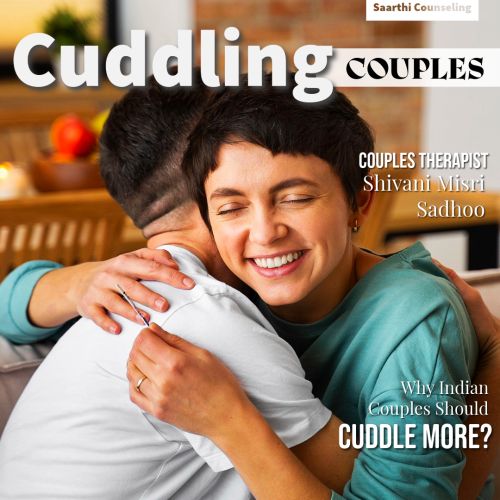
importance of Cuddling between Couples by marriage cousellor Shivani Misri Sadhoo

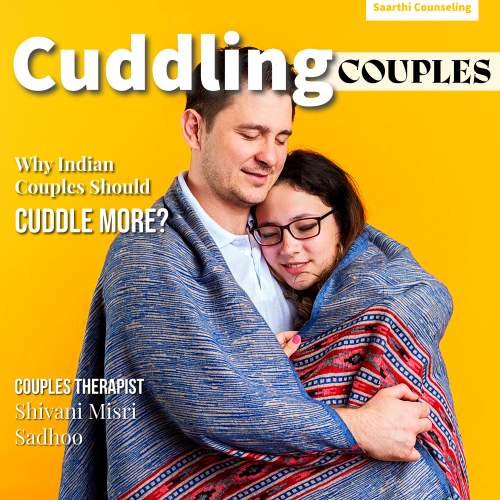
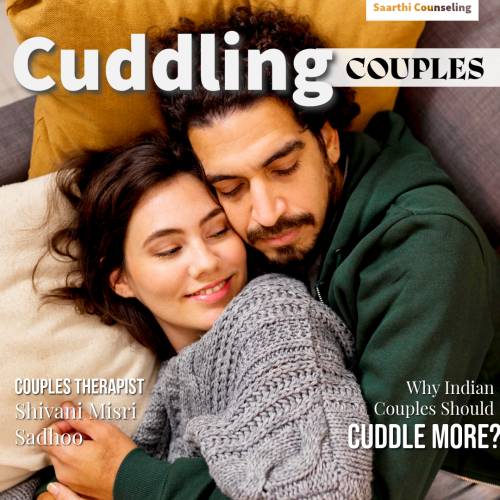
Why Indian Couples Should Cuddle More? Answers Relationship Expert

In many Indian households, love is often expressed through care, responsibility, and shared duties—but not always through physical affection. As work stress, digital distraction, and busy routines grow, couples are spending less time connecting emotionally and physically. One of the simplest yet most powerful ways to revive intimacy is cuddling.

Warm, non-sexual physical touch can deepen emotional security, reduce stress, and strengthen the bond between partners. For Indian couples, where affection can sometimes take a back seat in everyday life, cuddling offers a gentle but meaningful way to reconnect, says certified relationship therapist and one of Delhi’s most successful marriage counsellors Shivani Misri Sadhoo.

Why Cuddling Is Important Between a Couple?

Cuddling is more than just a cozy gesture—it’s a scientifically proven relationship booster. When partners hold each other, their bodies release oxytocin, often called the love hormone. This chemical improves trust, increases emotional bonding, and reduces anxiety. For couples living in high-pressure environments—nuclear family setups, demanding jobs, financial stress—this simple act helps regulate mood and create emotional balance.

Physical touch also builds a sense of safety. In Indian culture, where many people grow up with limited physical affection at home, cuddling can help partners feel valued, accepted, and emotionally nurtured. It’s a quiet reminder that no matter what the world throws at you, you’re not alone.

importance of Cuddling between Couples by marriage cousellor Shivani Misri Sadhoo

Deeper Explanation & Relationship Benefits of Cuddling

1. Strengthens Emotional Bonding

In long-term relationships, emotional connection can fade if not nurtured. Cuddling gives couples a way to express affection without words. It deepens closeness by creating a warm, supportive environment where partners feel listened to—even in silence. Over time, this increases trust, empathy, and companionship.

2. Reduces Stress and Improves Mental Health

Indian couples often juggle multiple responsibilities—work deadlines, family expectations, household duties, financial pressures. Regular cuddling reduces cortisol (the stress hormone) and stabilizes mood. After a long day, simply lying close together for a few minutes can calm the nervous system, reduce irritability, and promote emotional clarity. Couples who cuddle frequently report fewer arguments and better emotional resilience.

3. Enhances Romantic and Physical Intimacy

Cuddling acts as a bridge between emotional closeness and physical intimacy. When partners feel emotionally safe and physically connected, their romantic life naturally improves. For many couples, consistent cuddling rekindles passion, increases desire, and enhances overall satisfaction in the relationship. It keeps the spark alive without the pressure of performance.

importance of Cuddling between Couples by marriage cousellor Shivani Misri Sadhoo

4. Builds a Habit of Affection in a Culture That Often Holds Back

Many Indian couples hesitate to show affection, even privately, due to cultural conditioning. Creating a safe space within the relationship where touch becomes normal helps break emotional barriers. It encourages partners to express love more openly, leading to healthier communication and deeper bonding. Cuddling becomes a daily ritual that reinforces love beyond words.

5. Improves Sleep Quality

Sleeping close to your partner—whether spooning, hugging, or lightly touching—helps regulate breathing, reduces nighttime stress, and enhances sleep quality. For couples dealing with insomnia, overthinking, or anxiety, this shared comfort can be incredibly soothing. Better sleep also improves mood and patience, which directly benefits the relationship.

6. Encourages Security and Reassurance

Modern relationships face challenges like emotional distance, insecurity, or fear of losing connection. Cuddling acts as a reassurance mechanism—it tells your partner, “You matter. I’m here with you.”
This sense of safety strengthens commitment and reduces unnecessary misunderstandings or feelings of neglect.

7. Helps Navigate Conflicts Better

Couples who maintain regular physical affection tend to resolve conflicts faster. The warmth of touch calms emotions and encourages cooperation instead of confrontation. Even after an argument, a small gesture like holding hands or leaning against each other helps soften anger and rebuild harmony.

Cuddling is not just a romantic gesture—it’s a powerful relationship tool that Indian couples often overlook. In a culture where affection is subtle and routine responsibilities dominate life, taking a few minutes each day to cuddle can transform the emotional climate of a relationship. It strengthens trust, improves communication, boosts happiness, and deepens long-term compatibility.

If Indian couples embrace cuddling as a daily habit, they can build more emotionally secure, loving, and fulfilling relationships—one warm hug at a time.

Relationship Counsellor Shivani Misri Sadhoo - How to make your boyfriend talk after a fight

How To Make Your Boyfriend Talk after a Fight?

When you’re deeply in love with someone, it’s so easy to let certain things slide. In those early, starry-eyed days of love, everything feels magical — you’re wrapped up in affection, laughter, and the thrill of being together. But as that initial “lovey-dovey” phase begins to settle, reality slowly seeps in. You start noticing the small differences — the way you both think, react, and handle situations. Disagreements begin to show up, and that’s perfectly normal.

Contrary to what many people believe, conflicts don’t necessarily mean there’s something wrong with your relationship. In fact, they’re an inevitable part of any close emotional bond. Conflicts can either be constructive or destructive — it all depends on how couples handle them. When arguments leave you feeling unsafe, disrespected, or unresolved, they can become toxic. However, when it comes to the everyday disagreements and annoyances that every long-term relationship faces, expressing your frustrations and discussing them is not only normal but also necessary.

How to make your boyfriend talk after a fight by marriage Counsellor Shivani Misri Sadhoo

Interestingly, research shows that couples who argue — and resolve those arguments — tend to stay together longer than those who suppress their issues. The key lies in how you navigate those rough patches.

So, if you’ve recently had a nasty fight with your boyfriend and now find yourself facing the silent aftermath, wondering how to make him talk again, don’t panic. Silence after a fight can feel heavy, but it doesn’t have to mean the end of communication.

How to make your boyfriend talk after a fight by marriage Counsellor Shivani Misri Sadhoo

How to make your boyfriend talk after a fight?

Here are some thoughtful ways to break the ice and reconnect with him after an argument, shared by none other than Shivani Misri Sadhoo, one of the leading marriage counsellors and one of the best relationship therapists in India.

Stay Calm

Perhaps one of the first things you can do after a fight with your boyfriend is to disconnect for a while and calm yourself down. A calm mind helps you think clearly and logically and understand the situation better. When you are composed, you can express yourself without anger or blame, which makes it easier for your boyfriend to open up and talk. Giving yourself time to relax not only helps you regain balance but also creates space for honest and peaceful communication.

Choose Written Communication

You’ve just had a fight with your boyfriend and are not on talking terms at all. So, what next? How about turning to written communication? When words fail to come out face-to-face, writing can bridge the silence. Thanks to the digital age, messages travel faster than thoughts, giving you time to express feelings without interruptions or ego clashes. A simple text can ease tension, clear misunderstandings, and gently open the door to conversation once again.

How to make your boyfriend talk after a fight by marriage Counsellor Shivani Misri Sadhoo

Retrospection

Retrospection is vital after a heated argument, as it allows one to look inward and evaluate their actions and communication style. By identifying what triggered his anger or hurt, one gains clarity about emotional patterns and underlying issues. Taking accountability for one’s role instead of assigning blame fosters openness and trust. Often, what seems like a small disagreement hides deeper feelings—such as feeling neglected or misunderstood—and through reflection, these real concerns can be addressed, encouraging him to talk again.

Give Him Time To Think

Sometimes it is essential to give your boyfriend some space after a fight. As they say, silence is golden—and it truly is at times. He needs time to process his thoughts and emotions, which are probably tangled and intense right now. Don’t overburden him with constant messages or questions; instead, let him breathe. When the storm settles, approach him calmly, with understanding and warmth. A gentle tone and open heart can do wonders, making it easier for him to express what he truly feels.

Surprise Him

Conflicts or arguments can happen for many reasons, and sometimes emotions get the best of us. To help make your boyfriend talk after a nasty fight, you can take a gentle approach by surprising him with his favourite meal, a small gift, or something meaningful that shows you still care. This simple gesture can melt away anger and open the door for calm communication. Once he feels your effort and sincerity, he’ll be more willing to talk, understand your side, and make things right again.

Lend Your Ears

Once your partner is ready to talk, make sure you listen to him carefully. Lend your ears completely. Disconnect yourself from digital media to reconnect with him genuinely. Give him your undivided attention and let him feel that his thoughts matter. Avoid interrupting or defending yourself; instead, focus on understanding his emotions. Maintain gentle eye contact and use a calm tone to create a safe space. Sometimes, just being fully present can melt the tension and open his heart to speak freely again.

Conflicts are a natural part of any relationship, but how you handle them makes all the difference. Stay calm, reflect, give space, and communicate with empathy—whether through words or gestures. Listen with an open heart, show care, and let love guide you back to understanding and connection.

best couples therapist in india_shivani misri sadhoo

Relationships Can’t Survive Without Boundaries! Here’s How to Set Them

In any healthy relationship—whether romantic, familial, or friendship—boundaries play a crucial role in maintaining mutual respect and emotional safety. Without boundaries, even the strongest relationships can become strained, leading to misunderstandings, resentment, or burnout. Boundaries are not walls that keep people out—they are guidelines that define how we want to be treated and how we treat others, says Shivani Misri Sadhoo, who is India’s top couples and marriage counselor in this blog.

best marriage counselor in delhi_shivani misri sadhoo

What Do Boundaries in a Relationship Refer To?

Boundaries in a relationship refer to the limits and expectations that partners set to protect their emotional, physical, and mental well-being. They define what is acceptable and what isn’t in terms of behavior, communication, and personal space. Boundaries ensure that both individuals feel respected, valued, and safe, preventing one person from overpowering or neglecting the other.

For example, setting boundaries might mean communicating honestly about personal needs, maintaining privacy, saying “no” without guilt, or ensuring equal effort in emotional or physical intimacy. They create balance—allowing closeness without losing individuality.

best couples therapist in delhi_shivani misri sadhoo

How to Set Healthy Boundaries in a Relationship?

Know Yourself First
Understand your values, comfort zones, and emotional triggers. You can’t set boundaries if you don’t know what you need to feel secure and respected.

Communicate Clearly and Calmly
Express your boundaries openly and respectfully. Instead of blaming or accusing, use “I” statements like “I feel uncomfortable when…” or “I need some alone time to recharge.”
Be Consistent
Once you set a boundary, maintain it. Inconsistency can confuse your partner and weaken the respect for your limits.

Respect Your Partner’s Boundaries Too
Boundaries are mutual. Just as you expect your limits to be respected, you should honor your partner’s as well. Listen and adjust when needed.

Don’t Feel Guilty About Setting Limits
Healthy boundaries don’t make you selfish—they make you emotionally mature. They show you value yourself and your relationship enough to keep it balanced.


Boundaries are the foundation of trust and respect in every relationship. They help both partners grow individually while nurturing their bond together. Without them, love can quickly turn into control, dependency, or emotional exhaustion. Setting boundaries is not about distance—it’s about creating the right space where love, respect, and understanding can thrive.

Pickleball Dating Trending Relationship Counsellor Shivani Misri Sadhoo

What You Need to Know About Pickleball Dating? Shares Expert

In recent years, a new kind of social and romantic trend has been quietly taking over parks, gyms, and recreational centres — Pickleball Dating. What started as a fun, friendly sport for all ages has now evolved into an unexpected matchmaking hotspot. From singles meetups on the court to dating apps adding “Pickleball” as an interest filter, this sporty new way to connect is becoming a favourite among people looking for love — or at least some lively competition, says leading couples therapist and relationship counsellor Shivani Misri Sadhoo.

What Is Pickleball Dating?

Pickleball dating combines the sport of pickleball with the social experience of meeting potential partners. It’s not just about scoring points; it’s about finding chemistry — both on and off the court.

Pickleball itself is a paddle sport that blends elements of tennis, badminton, and ping pong. It’s easy to learn, fun to play, and perfect for group or doubles matches — which makes it naturally social. Because of its friendly pace and interactive setup, it encourages conversation, teamwork, and laughter — all key ingredients for forming connections.

In pickleball dating events, singles are paired up in matches or rotated across different partners, allowing them to meet multiple people in a relaxed, non-pressured setting. Think of it as “speed dating meets recreational sport” — where compatibility is tested through playful rallies instead of awkward small talk.

Why Is Pickleball Dating Trending?

There are several reasons why pickleball dating has become one of the most talked-about modern dating trends:

1. It’s Active and Fun
People today are looking for experiences that go beyond sitting in a café or swiping endlessly on dating apps. Pickleball offers a refreshing change — it gets people moving, laughing, and enjoying the moment. The shared physical activity makes it easier to break the ice and show your authentic self.

2. It’s Social and Inclusive
Pickleball is known for being one of the most inclusive sports — suitable for all ages and fitness levels. That makes it ideal for singles in their 20s, 40s, or even 60s. Unlike some sports that can feel competitive or intimidating, pickleball is lighthearted and community-driven, creating the perfect atmosphere for socializing and forming connections.

3. Post-Pandemic Shift Toward Real Connections
After years of online-only interactions, people are craving genuine, face-to-face connections. Pickleball dating events provide that — a way to meet others in person, bond through shared activity, and avoid the digital fatigue that comes with dating apps.

4. Shared Interests Build Stronger Bonds
When you meet someone who enjoys the same hobby, the connection feels natural. Pickleball dating gives singles a common ground — literally and figuratively — from the very first serve. It’s an instant icebreaker that fosters teamwork, communication, and friendly competition.

5. Celebrities and Media Influence
Pickleball’s popularity has skyrocketed thanks to celebrity endorsements and media coverage. Famous figures like Leonardo DiCaprio, Ellen DeGeneres, and the Kardashians have been spotted playing, bringing the sport — and its dating potential — into the mainstream.

The Bigger Picture: Why Pickleball Dating Works

Beyond being a trend, pickleball dating reflects a broader shift in how people approach relationships. Modern singles are prioritizing shared experiences, health, and emotional compatibility over superficial dating norms. Playing pickleball together reveals personality traits — teamwork, patience, humor — that can’t be seen through a screen.

It also reduces the awkwardness that comes with traditional dating. The focus on fun and movement makes it easier to let your guard down. Even if you don’t find romance, you walk away with new friends and a good workout — a win-win situation.

Pickleball dating is more than a passing fad — it’s a sign of how people are redefining connection in today’s world. It’s about mixing sport, laughter, and a little bit of flirtation in a space where everyone feels welcome.

Whether you’re new to the dating scene or just looking for a fresh way to meet people, picking up a paddle might be your next best move. After all, love — like pickleball — is about finding the right rhythm, playing fair, and enjoying the game together.

Stages of Marriage and marital therapy by Shivani Misri Sadhoo

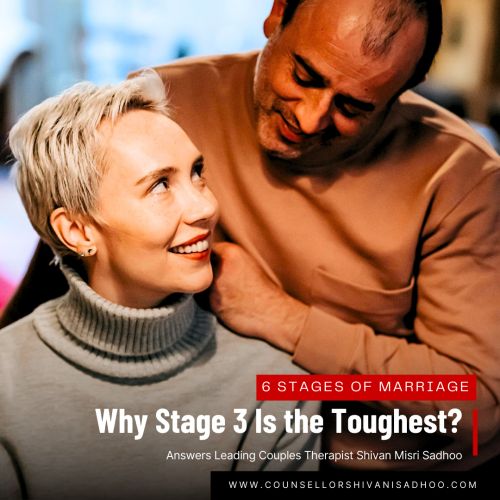
What are the 6 Stages of Marriage? Why Stage 3 is The Toughest?

Marriage is a journey full of growth, discovery, and sometimes challenges that test the bond between two people. While every relationship is unique, most marriages tend to go through recognisable stages. Understanding these phases can help couples navigate difficulties, strengthen their connection, and set realistic expectations, says Shivani Misri Sadhoo, a leading relationship expert and one of the top marriage counsellors in Delhi and India.

marital challenges and relationship counselling by Shivani Misri Sadhoo

Questions You Might Ask

1. Why do couples often face the most difficulties in the early years of marriage?

Many challenges emerge as couples move beyond the initial excitement of marriage into the realities of everyday life. Differences in habits, communication styles, and expectations can surface, often leading to conflict if not addressed consciously.

2. Can a marriage survive Stage 3, the Power Struggle?

Yes. Stage 3 can feel intense, but with open communication, mutual understanding, and a willingness to grow, couples can emerge stronger. It’s less about avoiding conflict and more about learning to navigate it together.

What are the 6 Stages of Marriage? Why Stage 3 is The Toughest?

6 Stages of Marriage, as explained by couples therapist Shivani Sadhoo

Stage 1: The Honeymoon Phase

This is the period of excitement and idealisation. Everything feels new and thrilling, and couples often overlook imperfections as they focus on love and connection.

Stage 2: Reality Sets In

As the initial excitement fades, differences between partners become more apparent. Habits, routines, and even quirks that were previously endearing can now feel challenging.

Stage 3: The Power Struggle

Often called the toughest stage, this is when conflicts and disagreements become more frequent. Couples question whether the marriage will last and confront unresolved personal or relational issues. The emotional intensity can feel overwhelming, but it’s also a stage that provides the opportunity to build resilience and a deeper understanding if navigated consciously.

Stage 4: Rebuilding and Acceptance

After working through conflicts, couples start to regain trust and understanding. Acceptance of each other’s differences and the ability to compromise strengthen the foundation of the relationship.

Stage 5: Deep Connection

By this stage, couples often feel a profound emotional and spiritual bond. They communicate more effectively, support each other’s growth, and share a sense of partnership that goes beyond surface-level romance.

Stage 6: Legacy and Purpose

Here, couples focus on building something bigger than themselves, whether it’s family, community, or shared goals. There’s a sense of fulfilment in contributing together and leaving a lasting impact.

What are the 6 Stages of Marriage? Why Stage 3 is The Toughest?

Identifying Your Stage

Recognising which phase your marriage is in can help you manage expectations, enhance communication, and approach challenges more intentionally. If you find yourself in Stage 3, remember that feeling tested doesn’t mean failure—it’s an opportunity for growth.

Strategies to navigate Stage 3 include:

  • Seeking couples therapy or professional guidance
  • Reconnecting emotionally and fostering intimacy
  • Prioritising personal growth alongside relational growth
  • Learning constructive conflict resolution techniques

Marriage isn’t a final destination but an ongoing journey. Each stage has its purpose, and even the toughest periods, like Stage 3, can strengthen the bond between partners when approached with patience and commitment.

Is Absolute Honesty Good for Your Relationship

Is Absolute Honesty Good for Your Relationship?

In every relationship, honesty is often described as the cornerstone of trust and intimacy. Couples who value transparency usually feel more connected and secure. Yet the idea of absolute honesty—sharing every thought, feeling, or opinion without filter—raises important questions.

Can complete openness strengthen a relationship, or can it sometimes create more harm than harmony? It’s being explained by relationship expert and marriage counsellor Shivani Misri Sadhoo.

marriage counsellor Shivani Misri Sadhoo answers if Honesty is Good for Your Relationship

What is the Role of Honesty in Relationships?

Honesty provides the foundation on which trust is built. When partners are truthful, they foster an atmosphere of safety and reliability. Admitting mistakes, acknowledging emotions, and expressing needs openly are all examples of honesty that support healthy bonding, says Shivani Misri Sadhoo, a leading couples therapist in India.

However, honesty is more than just stating facts. The intention and manner of communication play a crucial role. Truth spoken with sensitivity can build closeness, while truth expressed harshly or without consideration may cause emotional damage.

The Challenges of Absolute Honesty – While honesty is essential, absolute honesty—sharing every thought without reflection—may not always serve the relationship. Several challenges emerge when honesty is taken to its extreme:

Overwhelming the Partner – Not all thoughts require expression. Passing or impulsive ideas, if shared unnecessarily, may create confusion or hurt without adding value.

Tone and Delivery – A Brutal or blunt truth can feel like criticism. Reframing a statement with empathy can make the same truth easier to hear. For example, instead of saying, “You never listen to me,” one could say, “I feel unheard when I talk about my day.”
Maintaining Emotional Safety – Relationships thrive when both partners feel emotionally safe. Absolute honesty, expressed without care, may erode this safety and create distance.

marriage counsellor Shivani Misri Sadhoo answers if Honesty is Good for Your Relationship

Privacy vs. Secrecy – Every person deserves a degree of privacy. This is not the same as keeping secrets; it is about recognising that not every private thought needs to be shared in order for the relationship to remain healthy.

Striking the Right Balance – The healthiest approach lies in thoughtful honesty, not absolute honesty. This means being genuine while also considering the emotional impact on the partner. Key aspects of balanced honesty include:

  • Expressing feelings and needs clearly so that misunderstandings are reduced.
  • Communicating with compassion, ensuring the truth is shared with kindness.
  • Avoiding unnecessary bluntness, as honesty should build the relationship rather than weaken it.
  • Listening with openness, since honesty also involves accepting a partner’s truth with respect.

Absolute honesty is not always beneficial in relationships. What strengthens intimacy and trust is authentic, considerate honesty—the type that is truthful yet compassionate, open yet respectful of emotional safety. Relationships flourish when honesty is practiced in a way that nurtures growth rather than causing harm.

Instead of aiming to share every thought without filter, couples are encouraged to focus on honesty that deepens connection, builds trust, and allows both partners to feel safe being their true selves.

Why its Not Time to Give Up on Your Marriage by Shivani Misri Sadhoo

5 Reasons for Not Giving Up on Your Marriage

Marriage is not just a union of two people; it’s a journey filled with love, challenges, growth, and countless shared experiences. But sometimes, when the going gets tough, giving up can seem like the easiest option.

Yet, before making any final decisions, it’s worth pausing and reflecting on why your marriage deserves a second chance. Even when things seem broken, healing is possible. Here we explore the five strong reasons not to give up on your marriage.

Reasons for Not Giving Up on Your Marriage Counselling Tips by Shivani Misri Sadhoo

What are the reasons for not giving up on your marriage?

Shivani Misri Sadhoo, a leading relationship expert, certified DBT & CBT therapist and one of the top marriage counsellors in Delhi and India, discusses the five factors for not giving up on your marriage.

The Foundation You’ve Built Together

Every relationship has a history. Over the years, you’ve created countless memories, faced obstacles, celebrated wins, and grown both individually and as a couple. These shared experiences form the emotional foundation of your marriage.

Walking away from your partner means walking away from everything you’ve built together your home, your shared goals, and even your struggles that made you stronger. Instead of throwing it all away, consider rebuilding from where you are. Often, the cracks in a relationship can become places where light enters if both partners are willing to try.

Marriage Is a Journey, Not a Destination

No marriage is perfect. Conflict, misunderstandings, and emotional distance are part of the journey. Just because you’re going through a rough phase doesn’t mean it’s the end. Growth comes through adversity. Working through issues, rather than walking away, can lead to a deeper understanding of each other and a more mature, resilient relationship. When you overcome a storm together, your bond often becomes stronger than before.

Love Can Be Rekindled

Feelings fade when they are not nurtured, but that doesn’t mean they are gone forever. Love is not just a feeling; it’s also a choice and an action. Small efforts like spending quality time, expressing appreciation, or seeking counselling can reignite the emotional connection. You once fell in love for a reason. Exploring those memories and reigniting what first brought you together can open the door to renewed intimacy and affection.

Its Not Time to Give Up on Your Marriage by Shivani Misri Sadhoo

Impact on Family and Children

If you have children, your relationship sets the tone for their emotional environment. Children thrive in a stable, loving household. While staying together only for the sake of the kids isn’t ideal, fighting for your marriage creates a powerful example of commitment, problem-solving, and resilience.

Moreover, separation often brings emotional and logistical upheavals that can deeply affect everyone involved. Saving your marriage may not only bring peace to your own life but also to the lives of those who depend on you.

You Haven’t Tried Everything Yet

Before giving up, ask yourself: Have you really tried everything? Marriage counselling, communication workshops, or even personal therapy can offer powerful tools for healing. Many couples reach a breaking point simply because they lack the right strategies to deal with conflict or emotional disconnection. Sometimes, just having a neutral third party to guide the conversation can unlock breakthroughs that seemed impossible before.

Marriage is not always easy—but neither is walking away. If there’s still love, even a little, it might be worth fighting for. Time, effort, empathy, and patience can breathe life back into what feels broken. Sometimes, holding on can be the bravest and most rewarding thing you’ll ever do.

Why People Stay Single relationship tips

Why Are You Still Single? 4 Key Reasons That Often Make People Stay Single

Being single is not a flaw. It can be a conscious, empowered, and deeply fulfilling choice. While society often paints romantic relationships and marriage as the ultimate milestones of adult life, many people are choosing a different path. They don’t see marriage as the be-all and end-all. Instead, they prioritise personal growth, career goals, creative pursuits, spiritual exploration, and deepening connections with friends and family.

Reasons why you are still single answers Shivani Misri Sadhoo

What makes one stay single?

If you are wondering why some people genuinely love staying single, here are four reasons shared by leading relationship and marriage therapist Shivani Misri Sadhoo.

1. They love their Independence

One of the biggest reasons people enjoy staying single is the freedom that comes with it. Relationships often involve compromises, shared responsibilities, and constant coordination—which can feel limiting for those who deeply value their independence. When you’re single, you can set your own schedule, chase personal goals, and make decisions without having to factor in someone else’s needs.

That kind of autonomy can be incredibly fulfilling, especially for those who thrive on self-reliance and personal growth. Choosing to stay single doesn’t mean someone is selfish—it simply means they’re prioritising their own well-being and sense of identity. And there’s nothing wrong with that.

2. Painful Past Experience

Another reason some people choose to stay single is because of painful past experiences. When someone has been deeply hurt in a previous relationship, it can leave emotional scars that take a long time to heal. The fear of being hurt again makes it hard to trust or open up.

Even if they want love, the memories of heartbreak hold them back. Staying single becomes a way to protect their heart, to avoid the pain they once knew too well.

are you still single relationship tips by Shivani Misri Sadhoo

3. Longing and Boundaries

Some people avoid relationships because their emotional needs feel too intense, even shameful. They fear being a burden, so they isolate themselves to protect others—and themselves. Others are aware of their neediness but try to manage it, often shaped by early experiences with emotionally demanding caregivers.

They might avoid intimacy to protect their boundaries or fear being overwhelmed by a partner’s needs. Both responses are valid and deeply human. Healing starts by understanding your story, accepting where you are, and gently making space for both connection and self-protection.

4. Avoid Commitment

Some people stay single because they fear commitment—not out of coldness, but from a deep, often quiet vulnerability. The idea of merging their life with someone else can feel suffocating or risky. Maybe they’ve seen relationships fall apart or felt trapped in the past.

Commitment demands trust, openness, and emotional risk, which can be daunting. For them, staying single offers a sense of control and emotional safety. It’s not that they don’t crave connection—they just struggle with the weight of promises that feel too heavy or permanent to carry.

In a nutshell, people stay single for all sorts of deeply human reasons—some love their freedom, others are healing from old wounds. Some guard their hearts with healthy boundaries, while others quietly fear the weight of commitment. Whatever the reason, choosing to stay single can be a brave, thoughtful, and beautifully intentional way to live.

marriage counselling tips by Shivani Misri Sadhoo

How to Improve Your Daily Communication with Your Wife?

Good communication is the foundation of a healthy and happy marriage. Yet, as daily responsibilities pile up—work, children, family obligations—it’s easy for couples to fall into a routine where meaningful conversation takes a backseat. If you’ve found yourself exchanging only the bare minimum with your wife discussing bills, chores, or logistics it’s time to pause and reflect. Strong, open communication helps build trust, deepen emotional intimacy, and prevent misunderstandings that can lead to bigger conflicts, reveals leading relationship expert and marriage counsellor Shivani Misri Sadhoo.

marriage counsellor Shivani Misri Sadhoo tips for Indian couples

Why Communication Is Important With Your Wife?

Communication is not just about talking—it’s about connecting. When you make an effort to listen and share with your wife truly, you nurture emotional closeness. Regular and meaningful communication allows both partners to express their needs, concerns, dreams, and even disappointments in a safe space.

Without this, small issues can develop into significant problems. Good communication reduces unnecessary tension, fosters teamwork, and keeps the bond between you strong even during life’s toughest challenges. For many couples, a lack of communication is at the heart of emotional distance and marital dissatisfaction.

Ways to Improve Your Daily Communication

  • Make Time for Conversations—No Matter How Busy You Are – Set aside at least 10-15 minutes each day where you both can talk without distractions. This could be during breakfast, after dinner, or before bedtime. The key is to be consistent. Even small, daily check-ins can make your wife feel heard and valued.
  • Listen to Understand, Not to React – When your wife shares something, focus on listening carefully rather than planning your response. Avoid interrupting or offering solutions right away. Sometimes, she may just need you to listen with empathy.
marriage counseling advice Indian couple - grow husband wife talks
  • Express Appreciation Regularly – Often, we overlook the power of small words like “thank you,” “I appreciate you,” or “you did a great job.” Expressing gratitude not only makes your wife feel seen but also strengthens positivity in the relationship.
  • Use “I” Statements Instead of “You” Statements – When discussing a sensitive topic, say “I feel hurt when…” rather than “You always make me feel…”. This reduces defensiveness and encourages healthier dialogue.
  • Be Honest but Kind – Open communication means being honest about your feelings, but always with respect. If something is bothering you, share it gently instead of letting resentment build.
  • Ask Open-Ended Questions – Rather than yes/no questions, ask “How was your day?” or “What’s on your mind lately?”. This invites richer conversations and shows genuine interest in her thoughts and feelings.
  • Limit Screen Time When Together– Put down your phone or switch off the TV when she’s talking. Giving her your undivided attention shows that you value what she has to say.
  • Learn Her Communication Style – Some people like to process out loud; others need time before they’re ready to talk. Understanding how your wife prefers to communicate can help you connect more effectively.

Improving daily communication doesn’t require grand gestures—it’s about small, consistent efforts that show your wife she matters to you. Over time, these habits can bring warmth, closeness, and resilience to your marriage.

relationship advice - platonic relationship or friendship

Is it a Platonic Relationship or Just Friendship? How to Identify

In a world where relationship labels are becoming more fluid, it’s easy to feel confused about the nature of your bond with someone. You may feel deeply connected to a person — emotionally safe, truly understood — yet there’s no romantic or sexual involvement. Is it just friendship, or something more meaningful, yet still non-romantic? That’s where the concept of a platonic relationship comes in. Understanding this can help you navigate your feelings and define your relationship better, as explained by eminent relationship and marriage counsellor Shivani Misri Sadhoo here.

What is a Platonic Relationship?

A platonic relationship is an emotionally close connection between two people that is not based on physical or romantic attraction. The term comes from the ideas of the Greek philosopher Plato, who believed that the highest form of love transcends physical desire and is rooted in mutual respect, intellectual connection, and deep emotional bonding.

This kind of relationship can exist between any two people, regardless of gender or orientation, and is defined by care, trust, and emotional intimacy without the complexities of romance or sexual tension.

Platonic Relationship vs. Friendship: What's the Difference?

Platonic Relationship vs. Friendship: What’s the Difference?

At first glance, platonic relationships and friendships may seem similar. Both involve companionship, trust, and shared moments. However, platonic bonds tend to carry more emotional weight and consistency than regular friendships.

In a typical friendship, people may connect based on shared activities, environments, or interests. These connections can be casual, and while trust exists, the emotional depth may not always run very deep. Friendships can fade over time as circumstances change.

A platonic relationship, however, tends to hold stronger emotional significance. You may find yourself turning to that person for life advice, sharing your innermost thoughts, or relying on them during difficult times. There’s often a level of priority given to this bond, even if it’s never romantic. It’s like having a life partner — just without the romance.

How to Identify if It’s Platonic or Just Friendship?

If you’re unsure which category your relationship falls into, consider the emotional dynamics. Do you feel emotionally safe and fully yourself around this person? Are they the first one you think of when you’re going through something important, good or bad? Do you value their presence in your life regardless of circumstances, and does the bond remain strong even without constant communication?

Also, notice if there’s mutual clarity. Platonic relationships often involve a silent understanding that the connection is deep and meaningful, but not romantic. There’s no hidden agenda, no mixed signals, and no pressure to turn it into something else.

Can Platonic Relationships Evolve Into Romance?

They can, but not always. Sometimes emotional closeness can lay the foundation for romantic feelings, especially if both people begin to see each other in a new light. However, many platonic relationships remain beautifully non-romantic throughout life, offering emotional nourishment without any complications.

If feelings do change on either side, honest communication becomes key. Ignoring shifting emotions can lead to confusion, distance, or even the end of the bond.

Platonic relationships are often underrated, yet they can be some of the most fulfilling connections in life. If you’re lucky enough to have someone who supports you emotionally, respects your boundaries, and remains consistently present, without any romantic strings, then you’re experiencing the rare beauty of platonic love. Understanding and honouring this kind of bond can enrich your emotional well-being and add a layer of stability and depth to your life that few relationships can offer.