Tag Archive : Best relationship counsellor in Delhi

best couples therapist in delhi_shivani misri sadhoo

Using Dating Apps in India: Warning Signs, Dangers, and Safety Tips

Dating apps have changed how people in India meet and form relationships. What was once considered taboo is now widely accepted, especially among urban youth and working professionals. Apps like Tinder, Bumble, Hinge, and several Indian platforms promise convenience, choice, and compatibility.

However, along with opportunities for genuine connections, dating apps also carry serious risks. Being aware of common warning signs, potential dangers, and essential safety practices is crucial for anyone navigating online dating in India, says Shivani Misri Sadhoo who is an experienced couples and relationship counselor in Delhi, India.

shivani misri sadhoo_delhi's top couples and relationship therapist

Why Are Dating Apps in Demand in India?

Dating apps are growing rapidly in India due to changing social dynamics and digital accessibility. Young adults today value independence and prefer choosing their partners based on shared interests and personal compatibility rather than traditional matchmaking systems.

Another key factor is lifestyle change. Long working hours, remote jobs, and migration to new cities make it difficult to meet people organically. Dating apps provide a fast and convenient way to connect without relying on social circles.

Increased smartphone usage and affordable internet have also played a major role. Dating apps are no longer limited to metro cities; users from tier-2 and tier-3 cities are actively joining these platforms.

Lastly, dating apps offer flexibility and control. Users can decide whom to talk to, what information to share, and when to disengage, making online dating appealing to people who prefer privacy and autonomy.

shivani misri sadhoo_india's best relationship counselor

Warning Signs and Dangers of Using Dating Apps in India

India’s leading couples therapist and relationship counsellor Shivani Misri Sadhoo, asks to watch out for these warning signs:

Fake Profiles and Catfishing

One of the most common risks on dating apps is encountering fake profiles. Scammers often use stolen or heavily edited photos and fabricate personal details to appear trustworthy. Over time, they build emotional connections and eventually ask for money, favors, or sensitive information.

Financial Fraud and Romance Scams

Financial scams are a serious issue in India. Fraudsters may pretend to be business professionals, army officers, or NRIs and lure users into fake investments or emergency money requests. Once emotional trust is built, victims often ignore red flags and suffer significant financial losses.

Emotional Manipulation and Harassment

Some users engage in emotional abuse through gaslighting, guilt-tripping, or pressuring matches for intimacy. Persistent messaging, controlling behavior, or pushing for explicit content are major warning signs. In extreme cases, private chats or photos may be used for blackmail or threats.

Physical Safety Risks

Meeting strangers offline carries real physical dangers. There have been reports of assault, stalking, extortion, and coercion after in-person meetings arranged via dating apps. Since most platforms do not conduct detailed background checks, users often have limited knowledge of a person’s true identity or intentions.

Privacy and Data Misuse

Sharing personal details too early can lead to privacy violations. Phone numbers, addresses, workplace information, or social media accounts can be misused for identity theft, cyberstalking, or long-term harassment.
shivani misri sadhoo_india's best couples and relationship counselor

Safety Tips for Using Dating Apps in India

Some of the best tips to follow for safety while using dating apps are:

Verify Profiles Carefully

Check for consistency in profile photos, bios, and conversation details. Profiles with very limited information or overly perfect images should be treated cautiously. Reverse image searches can help identify stolen pictures.

Never Share Financial or Sensitive Information

Avoid sharing bank details, OTPs, Aadhaar numbers, home addresses, or personal documents. No genuine match will ask for money or confidential information, especially in the early stages.

Use In-App Messaging

Stick to the app’s chat feature initially instead of shifting immediately to WhatsApp or Telegram. Dating apps provide reporting, blocking, and moderation tools that offer an extra layer of protection.

Meet Only in Public Places

For first meetings, choose well-lit, public locations such as cafés, restaurants, or malls. Inform a trusted friend or family member about your plans and avoid isolated or late-night meetups.

Trust Your Instincts

If someone rushes intimacy, avoids video calls, gives inconsistent stories, or makes you uncomfortable, disengage immediately. You do not owe politeness at the cost of your safety.

Stay Informed and Update Privacy Settings

Regularly review app privacy settings and stay aware of common online dating scams in India. Knowledge and awareness are your strongest defenses against misuse.

Dating apps can be a powerful tool for meeting new people, but they require caution and awareness. By understanding common dangers, recognizing warning signs, and following practical safety tips, users can enjoy online dating while protecting their emotional, financial, and physical well-being.

Smart decisions and strong boundaries are the key to safe and meaningful connections in the digital dating world.


Check out popular blog post on Dating Apps

Romantic Attraction sign of genuine interest relationship counselling Shivani Misri Sadhoo

Breadcrumbing or Genuine Interest? How to Tell the Difference

In today’s digital dating and relationship landscape, mixed signals have become almost normal. One day, you receive sweet messages or compliments, and the next day, there is silence. This confusing pattern often leaves people wondering whether someone is genuinely interested or merely using them for attention. This is where the concept of breadcrumbing comes in. Understanding the difference between breadcrumbing and genuine interest is essential for protecting your emotional well-being and building healthy connections, according to Shivani Misri Sadhoo, one of Delhi’s top relationship and marriage counsellors.

What Is Breadcrumbing?

Breadcrumbing is a relationship behaviour where a person gives you small, inconsistent bits of attention to keep you emotionally invested, without any real intention of committing or moving the relationship forward. The term comes from the idea of leaving “breadcrumbs” — just enough to keep you following, but never enough to satisfy your needs.

This behaviour is common in dating apps, friendships, and even workplace or social relationships. A breadcrumber may send occasional texts, react to your social media posts, or check in randomly, especially when they sense you are pulling away. However, they avoid deeper conversations, plans, or emotional availability.

How Does Breadcrumbing Typically Look?

Breadcrumbing often follows a predictable pattern. The person may:

  • Text or call only when it suits them
  • Disappear for days or weeks without explanation
  • Avoid making concrete plans or cancel them repeatedly
  • Offer vague promises like “we’ll meet soon” without action
  • Show interest only when you seem less available

The key characteristic is inconsistency. Their attention comes in waves, leaving you confused and constantly waiting for more.

Why People Breadcrumb?

People breadcrumbs for different reasons. Some enjoy the validation and ego boost of knowing someone is interested in them. Others may be emotionally unavailable, afraid of commitment, or keeping multiple options open. In some cases, they may not even realise the emotional impact of their behaviour, but that does not make it any less harmful.

Breadcrumbing allows the other person to stay in control while investing minimal effort.

What Genuine Interest Looks Like?

Genuine interest, on the other hand, feels very different. It is consistent, respectful, and reassuring. Someone who is genuinely interested in you makes an effort to be part of your life, not just an occasional presence in it.

Signs of genuine interest include:

  • Regular and consistent communication
  • Making and following through on plans
  • Showing curiosity about your life, feelings, and goals
  • Being emotionally present and responsive
  • Clear intentions rather than vague promises

With genuine interest, you are not left guessing. Even if the relationship is moving slowly, the effort and direction are clear.

Romantic Attraction sign of genuine interest relationship counselling

Key Differences Between Breadcrumbing and Genuine Interest

Understanding the contrast between breadcrumbing and genuine interest becomes much easier when you look at specific behaviours. Below are clear, real-life examples that highlight how the two differ.

1. Communication Style

BreadcrumbingCommunication is sporadic and unpredictable. You may receive a sudden “Hey, what’s up?” after days of silence, with no real conversation or follow-up. Messages often lack depth and disappear once they have your attention.

Genuine Interest: Communication is consistent and intentional. Even during busy periods, the person makes an effort to check in, explain delays, and maintain a sense of connection.

2. Effort and Follow-Through

BreadcrumbingPlans are vague and frequently postponed. Statements like “Let’s meet someday” or “We should catch up soon” are repeated but never acted upon.

Genuine InterestPlans are specific and honored. If something comes up, they reschedule rather than disappear, showing that spending time with you matters.

3. Emotional Availability

Breadcrumbing: Emotional depth is avoided. Conversations stay light or surface-level, especially when you try to discuss feelings, expectations, or the future.

Genuine Interest: Emotional openness is present. The person listens, shares their thoughts, and is willing to have honest conversations, even if they feel uncomfortable at times.

4. Accountability and Respect

BreadcrumbingDisappearances go unexplained. When questioned, the person may deflect, minimise your feelings, or suggest you are overreacting.

Genuine Interest: Accountability is taken seriously. They acknowledge mistakes, apologise when needed, and make changes to avoid repeating the same behaviour.

5. Impact on Your Emotional Well-Being

BreadcrumbingYou often feel anxious, confused, or insecure, constantly questioning where you stand.

Genuine InterestYou feel calm, valued, and secure, knowing where you stand even if the relationship is still developing.

6. Long-Term Intentions

BreadcrumbingThere is no clear direction. The connection remains stuck in the same place with no progress over time.

Genuine InterestThere is forward movement. The person expresses intentions through actions, showing a desire to grow the relationship naturally.

These differences make it clear that genuine interest provides clarity and emotional safety, while breadcrumbing thrives on uncertainty and minimal effort.

How to Protect Yourself?

The best way to deal with breadcrumbing is to set clear boundaries. Notice patterns instead of excuses. Communicate your expectations calmly and observe how the other person responds. Genuine interest will meet your clarity with respect, while breadcrumbing often fades or becomes defensive when confronted.

Remember, consistency is more important than intensity. Someone who truly cares will show up in actions, not just words.

Breadcrumbing and genuine interest can look similar at first, but over time, their differences become clear. You deserve relationships where effort matches words and interest is shown through consistency. Trust patterns, trust your feelings, and do not settle for crumbs when you deserve a full connection.

Pedbbling New Dating Trend explain relationship counsellor Shivani Misri Sadhoo

What is Pebbling an Adorable New Dating?

Pedbbling New Dating Trend by Marriage Counsellor Shivani Misri Sadhoo

If you have just gotten used to some of the strangest dating terms like ChemRIZZtry, Curveball-crushing, Love-loreing, and Truecasting, then gear up for another one. This new term draws inspiration from the world of penguins and is winning hearts everywhere.

It’s called Pebbling. Yes, the name sounds cute—and the concept is even cuter. If you’re wondering how pebbling got its name and why it is becoming one of the most popular dating trends today, shares Shivani Misri Sadhoo, who is one of the most experienced couples therapists and relationship counsellors in Delhi and India.

What is Pebbling?

Did you know that penguins woo their potential partners with pebbles? Sounds strange! Well, it is a cute way of expressing love, I would say. The male penguins quite meticulously select the perfect pebble to impress their significant other. We humans, couldn’t help but borrow this charming idea of expressing affection through small, thoughtful gestures-because sometimes it is the simplest tokens that carry the most meaning.

Ways We Do It

Humans have found novel ways of dating their partners. Pebbling can be used in digital as well as physical modes. Let’s see how:

Pedbbling New Dating Trend by Marriage Counsellor Shivani Misri Sadhoo

Physical pebbling

Gifting meaningful keepsakes

Offering someone a small item picked up during a trip—something that immediately reminded you of them—is a deeply intentional act. It’s not about cost or grandeur, but recognition. The object becomes a stand-in for the moment you paused, thought of them, and chose to bring a piece of that experience back. It tells them they occupy space in your mind even when they’re not physically present.

Handwritten notes filled with emotion

A handwritten note carries a kind of intimacy that can’t be replicated. Each word reflects time, care, and vulnerability. The imperfections—the slant of the handwriting, the pauses between lines—make it human. These notes endure, becoming something the recipient can return to whenever they need comfort, reassurance, or a reminder of being loved.

Bringing baked goods

Baking for someone is a quiet labour of affection. It involves effort, patience, and the desire to give something made by hand. More than food, it’s an offering of warmth and nurture. Sharing something homemade says, I wanted to create comfort for you.

Gifting a thoughtfully chosen book

Choosing a book for someone requires attention. Whether it’s a novel you believe they’ll get lost in or a subject aligned with their interests, it shows that you understand how their mind works. A book becomes a companion, and gifting one says, I see what inspires you, and I want to share that with you.

Sending fresh flowers

Flowers chosen with intention—because they reflect a favourite scent, colour, or mood—become sensory expressions of care. They brighten spaces, linger in memory, and offer a quiet reminder that someone was thinking of them. Even after they fade, the sentiment remains.

Planning a surprise coffee date

A surprise coffee date may seem simple, but it’s deeply personal. It’s about carving out time, creating closeness, and turning the ordinary into something meaningful. These moments, though unassuming, often become the most cherished.

Pedbbling New Dating Trend by Marriage Counsellor Shivani Misri Sadhoo

Digital pebbling

Sharing music with intention

Sending someone a song is a deeply intimate act. Each track is chosen for how it feels, what it recalls, or what it quietly communicates. Music becomes emotional shorthand—a way to express affection, longing, or understanding when words fall short.

Using emojis to express emotion

Emojis may be small, but they can carry immense emotional weight. A single symbol can soften a message, convey warmth, or express feelings too tender to spell out. In their simplicity, they often speak more honestly than words.

Sending articles, news, or recommendations

Sharing content tied to a shared interest or something the recipient is passionate about shows attentiveness. It’s a way of saying, I pay attention to what matters to you, even in passing moments.

Tagging and interacting online

Tagging someone in a post that reflects an inside joke or shared sentiment is a modern form of connection. It’s playful, public yet personal, and rooted in shared understanding. These small interactions reinforce bonds in subtle but meaningful ways.

Pedbbling New Dating Trend by Marriage Counsellor Shivani Misri Sadhoo

Pros of Pebbling

1. Strengthens Introverted Relationships

Pebbling helps introverted relationships grow because it offers connection without pressure. For introverts, long conversations or constant interaction can feel draining, even with people they care about. Pebbling—sharing small messages, links, photos, or thoughts—creates a gentle way to stay close.

It gives just enough interaction to feel seen and understood, without becoming overwhelming. Since there’s no need to reply right away, both people can engage when they feel ready and emotionally available. This slow, flexible exchange builds warmth and trust over time, letting relationships bloom naturally and comfortably.

2. Security Matters

When partners practise pebbling—those small, thoughtful gestures that say “I’m thinking of you”—it quietly builds a deep sense of security in the relationship. Over time, these little acts add up, reassuring each person that they matter and that the bond is steady, not fragile. When you know your partner is reliably attentive and emotionally present, doubts lose their sharp edge and uncertainty doesn’t get much room to grow.

This feeling of safety makes it easier to lower one’s guard, to speak honestly about fears, needs, and imperfections without worrying about judgment or withdrawal. In such an atmosphere, conversations become kinder and conflicts less threatening, because both partners are anchored in the belief that they are on the same side. Pebbling, in its gentle way, turns everyday care into a strong foundation for trust, openness, and healthier ways of working through disagreements together.

3. Keeps The Romance Alive

When you first meet someone and sparks fly, everything feels electric—those butterflies, that slightly unreal happiness—but as time passes, that intensity naturally softens. The so-called honeymoon phase fades, not because love disappears, but because life settles in. This is where pebbling quietly works its magic. Pebbling is about those small, thoughtful gestures that say I see you—a note slipped onto the fridge, a song shared for no reason, a favourite snack brought home unexpectedly.

These acts may seem simple, almost insignificant, yet they carry a gentle power. They keep surprise alive, nurture warmth, and remind both partners that affection doesn’t need grand declarations to feel profound. Especially in moments of loneliness or when doubts creep in and fears of drifting apart arise, pebbling rekindles emotional closeness. It reassures, without drama, that love is still present—steady, attentive, and deeply felt—woven into the everyday fabric of the relationship.

4. Stressbuster

Life can get relentlessly hectic, and when pressures pile up, they have a way of seeping into our closest relationships. This is where pebbling comes in, quietly and kindly. Pebbling—those small, thoughtful gestures or gentle words—acts like a pause button on stress. A warm message, a shared joke, a cup of tea placed without being asked: these modest acts ease tension and remind two people that they are seen and cared for.

Over time, such moments build an emotional cushion, making love feel steadier and more secure. Couples who practice pebbling often find that disagreements lose their sharp edges; patience comes more easily, empathy flows more freely, and conflicts are approached not as battles to be won but as conversations to be resolved. In its unassuming way, pebbling restores calm, reinforces connection, and helps love endure the daily wear and tear of life.

Cons of Pebbling

  • Pebbling can replace real communication by keeping things light while avoiding deeper conversations.
  • It can create mismatched expectations when one person reads more meaning into it than the other.
  • It can start to feel like pressure when replying becomes an unspoken obligation.
  • It can mask low effort by substituting memes for actual follow-through.
  • It can trigger attachment issues if one person overthinks while the other feels overwhelmed.
  • It can stall progress by keeping the connection indirect and undefined.

In a nutshell, pebbling is about showing love through small, thoughtful gestures that build closeness, security, and warmth. When done mindfully, it keeps romance alive and reduces stress. But balance matters—pebbling should support, not replace, honest communication and genuine effort in relationships.

Attachment style and Relationship Breakdown Shivani Misri Sadhoo

Attachment Styles: The Silent Force Behind Breakups

Attachment style and Relationship Breakdown Shivani Misri Sadhoo

Have you ever felt confused by your partner’s emotional reactions—why they struggle to open up, suddenly withdraw, or need constant reassurance? You may also notice that some people cling tightly to relationships, while others fiercely guard their independence or fear getting too close. These patterns often create misunderstandings, emotional distance, and repeated conflict in relationships.

What many people don’t realise is that these behaviours rarely begin in adulthood. Their roots lie much earlier, in childhood. The emotional bond formed with primary caregivers shapes how we experience closeness, trust, and intimacy later in life. Psychologists call this bond an attachment style, and it plays a powerful, often hidden role in relationship breakdowns.

According to Shivani Misri Sadhoo, who is one of the highly experienced relationship counsellors and marital therapists in Delhi and India, attachment styles influence how we express love, respond to emotional needs, and handle conflict. While these patterns develop early, they are not fixed or irreversible, and they are shaped by more than just parental affection.

Attachment style and Relationship Breakdown Shivani Misri Sadhoo

What Is Attachment Style in a Relationship?

Attachment theory was first proposed by British psychologist John Bowlby and later expanded by Mary Ainsworth. It explains how children are biologically wired to seek safety and closeness with caregivers. When caregivers respond consistently and sensitively, children develop a sense of security and self-worth. When care is inconsistent, emotionally unavailable, or intrusive, children adapt in ways that help them survive—but those adaptations can create challenges in adult relationships.

It’s important to note that attachment strength does not depend on wealth, culture, or education. It is built through everyday emotional exchanges—responses to crying, smiling, fear, or comfort. Personality traits and later life experiences also influence attachment, so relationship struggles cannot be blamed on parents alone.

There are four primary attachment styles.

Attachment style and Relationship Breakdown Shivani Misri Sadhoo

1. Secure Attachment

People with a secure attachment style feel comfortable with intimacy and independence. They are generally warm, caring, and open in their relationships, able to express emotions without excessive fear of abandonment. Because they trust both themselves and others, they don’t constantly seek reassurance or validation.

Securely attached individuals can recognise and regulate their emotions, communicate clearly, and manage conflict constructively. Their emotional stability often creates a sense of safety for their partners, allowing relationships to feel supportive, balanced, and resilient.

2. Anxious-Preoccupied Attachment

Those with an anxious-preoccupied attachment style crave closeness but live with a constant fear of rejection or abandonment. They invest deeply in relationships and often depend heavily on their partner for reassurance. Even small signs of distance—such as delayed replies or emotional withdrawal—can trigger intense anxiety about their worth or desirability.

To regain emotional security, they may act in ways that pull their partner closer, such as becoming overly accommodating, seeking constant validation, or provoking emotional reactions. These behaviours are driven not by manipulation, but by fear. Despite these challenges, anxious individuals are often emotionally aware, capable of deep empathy, and highly attuned to their partner’s feelings when they feel safe.

Attachment style and Relationship Breakdown Shivani Misri Sadhoo

3. Dismissive-Avoidant Attachment

People with a dismissive-avoidant attachment style value independence and self-reliance above all else. They often view emotional closeness as uncomfortable or intrusive and prefer to keep their feelings private. In relationships, they may withdraw when intimacy increases, avoid vulnerability, or downplay emotional needs—both their own and their partner’s.

This pattern often develops in response to caregivers who were emotionally unavailable or rejecting, teaching the child to suppress needs and rely solely on themselves. While dismissive-avoidant individuals may appear confident and content alone, the desire for connection still exists beneath the surface. It is often restrained by a learned belief that closeness leads to disappointment or loss of freedom.

4. Fearful-Avoidant Attachment

Fearful-avoidant, also known as disorganised attachment, is marked by deep internal conflict. Individuals both desire closeness and fear it intensely. Love feels unsafe, unpredictable, or overwhelming. This style is often linked to early experiences of neglect, trauma, or chaotic caregiving, where the same caregiver was a source of both comfort and fear.

As adults, these individuals may swing between emotional closeness and sudden withdrawal, struggle to regulate emotions, and experience high levels of mistrust or self-sabotage. Intimacy can trigger anxiety rather than comfort, leading to volatile patterns, withdrawal, anger, or avoidance. Beneath these behaviours lies a strong longing for safety and connection, paired with a belief that love is dangerous or undeserved.

Attachment styles quietly shape how we love, communicate, and respond to emotional closeness. While formed early, they continue to evolve through life experiences and relationships. Understanding these patterns helps reduce blame, increase empathy, and bring clarity to recurring relationship struggles. With awareness and support, individuals and couples can move toward healthier emotional bonds, greater security, and more fulfilling relationships.

relationship in digital age insight by relationship counsellor Shivani Misri Sadhoo

Is Online Culture Making Rejection Harder for Today’s Youth?

Rejection has always been a part of growing up, but for today’s youth, it often feels heavier, louder, and more public than ever before. In a world shaped by social media, instant feedback, and constant comparison, rejection is no longer just a private disappointment.

It can feel like a public verdict. From being left on “read” to not getting enough likes or being excluded online, digital culture has transformed how young people experience and process rejection. This raises an important question about whether the online world is making emotional resilience harder to build, says Shivani Misri Sadhoo, who is one of the top couples therapists and relationship counsellors in Delhi.

relationship in digital age insight by relationship counsellor Shivani Misri Sadhoo

Rejection in the Age of Visibility

In earlier generations, rejection usually happened in limited social circles. A declined invitation, a failed exam, or a romantic disappointment was often experienced privately or shared with a few trusted people. Today, online platforms make social interactions visible and measurable.

When a post receives little engagement or a message goes unanswered, rejection feels quantified and exposed. For many young people, these small digital signals are interpreted as judgments on their worth, making rejection feel constant rather than occasional.

relationship in digital age insight by relationship counsellor Shivani Misri Sadhoo

The Pressure of Constant Comparison

Social media encourages users to compare their lives with carefully curated versions of others’ success and happiness. When young people see peers achieving milestones, gaining attention, or appearing confident and admired, rejection can feel like personal failure rather than a normal life experience.

This comparison culture amplifies self-doubt and can make setbacks feel more significant than they truly are. Instead of seeing rejection as a temporary obstacle, many begin to internalise it as a defining trait.

relationship in digital age insight by relationship counsellor Shivani Misri Sadhoo

Fear of Public Failure

Online culture has blurred the line between private mistakes and public embarrassment. A rejection can quickly become visible through screenshots, unfollows, or subtle online signals. This creates a fear of trying at all.

Many young people hesitate to apply for opportunities, express feelings, or share creative work because the possibility of rejection feels too public and permanent. The internet rarely forgets, and this perceived permanence adds emotional weight to every risk.

relationship in digital age insight by relationship counsellor Shivani Misri Sadhoo

Reduced Opportunities to Build Resilience

Resilience is often built through repeated exposure to disappointment and recovery. However, digital interactions can limit this process. Online rejection tends to be abrupt, silent, or ambiguous, offering little explanation or closure.

Being ignored or excluded online does not provide the feedback needed to learn and grow. Over time, this can make rejection feel confusing and deeply personal, rather than a normal part of human interaction.

Emotional Validation and External Approval

Online culture places strong emphasis on validation through likes, comments, and followers. When approval becomes external and numerical, rejection feels like the absence of value. Youth who grow up equating attention with self-worth may struggle more when validation is withdrawn. This dependency can make rejection emotionally overwhelming, as it challenges both confidence and identity.

Learning to Reframe Rejection

Despite these challenges, online culture does not make rejection impossible to handle; it simply changes how it must be understood. Teaching young people to separate online feedback from self-worth is essential.

Rejection, whether online or offline, is not a reflection of personal value but a natural outcome of diverse opinions, preferences, and circumstances. Developing digital literacy, emotional awareness, and self-compassion can help youth navigate rejection more healthily.

Online culture has undeniably reshaped how today’s youth experience rejection, making it more visible, frequent, and emotionally intense. While this environment presents new challenges, it also offers an opportunity to redefine resilience for the digital age. By encouraging meaningful offline connections, fostering self-worth beyond online approval, and normalising rejection as part of growth, young people can learn not only to cope with rejection but to grow stronger through it.

impact of social media on relationship by Shivani Sadhoo

Do You know what are the Social Media Red Flags In Relationships?

The internet has indeed revolutionized the world. Gone are the days when information was scarce and communication was slow. Today, with just a few clicks or taps, we can delve into a vast repository of knowledge on virtually any topic and connect with individuals worldwide in an instant. Social media, in particular, has streamlined the process of finding romantic partners, transcending geographical boundaries and time zones.

Yet, amid its convenience, social media has also become a breeding ground for relationship issues. The same platforms that bring couples closer together can also harbour hidden red flags that may signal trouble ahead.

To understand these social media red flags, let’s explore the perspective of top relationship expert and marriage counsellor Shivani Misri Sadhoo on the social media behaviours that should not be ignored in relationships.

impact of social media in relationship by marriage counselor Shivani misri sadhoo

What are the social media red flags in relationships?

Pretending to be single

When a partner behaves as if they’re single on social media—keeping relationship status hidden, avoiding posting photos together, or asking not to be tagged—it raises red flags. While some value privacy, constant avoidance of mentioning the relationship may indicate keeping options open or a lack of commitment. Genuine partners don’t hide relationships; secrecy may suggest dishonesty, embarrassment, or external pressure. Openness and acknowledgement are essential for healthy relationships.

Is your partner spending too much time on social media?

Spending excessive time on social media during dates can detract from romance, signalling that your partner’s focus isn’t on you. It may indicate addiction, where the virtual world overshadows real connections. Social media’s curated facade fosters dissatisfaction and can be an escape from unhappiness. Ignoring moments like sunsets hints at prioritizing screens over shared experiences. Recognizing these signs is crucial; excessive social media use can signal deeper issues affecting relationships and personal well-being.

Posting flirtatious remarks on others’ social media posts

Flirting with others on social media, especially through public comments, signals a lack of commitment and respect in a relationship. This behaviour undermines trust and emotional security, akin to infidelity. Engaging in such actions can lead to feelings of betrayal and hurt. Consistently leaving flirty comments on others’ posts raises doubts about one’s intentions and loyalty. It’s crucial to reflect on whether this behaviour aligns with your expectations for a healthy, monogamous relationship.

Not accepting social media requests

Many a time, refusing to accept a connection request on social media signals reluctance to integrate into each other’s lives. It suggests a lack of transparency and openness. Denying the request may indicate a desire to keep aspects of one’s life hidden, potentially signalling dishonesty or unfaithfulness. By rejecting the connection, the partner may be implying a disregard for the relationship’s importance or the other person’s feelings. Overall, refusal to connect on social media can raise concerns about trust and commitment.

Reluctant in posting your relationship online

Some people choose privacy, but when a partner avoids posting about the relationship on social media while being active otherwise, it raises concerns. The absence of acknowledgement could signal a lack of commitment or reluctance to publicly affirm the relationship. This omission may lead to feelings of exclusion and impact self-esteem negatively. Comparing one’s relationship to others’ flashy posts only emphasizes the authenticity of real-life connections.

Inconsistent behaviour or mismatch between online and offline conduct

When someone’s online persona is drastically different from their offline behaviour, it can raise concerns about authenticity and honesty in a relationship. While it’s common for people to curate their online presence to some extent, a significant inconsistency like this can be a red flag. For instance, imagine if your partner constantly shares posts about loyalty and trust online, but in reality, they frequently lie to you about their whereabouts or interactions with others. This mismatch between their digital facade and real-life actions could erode trust and breed resentment in the relationship over time.

marriage counselling blog shivani misri sadhoo

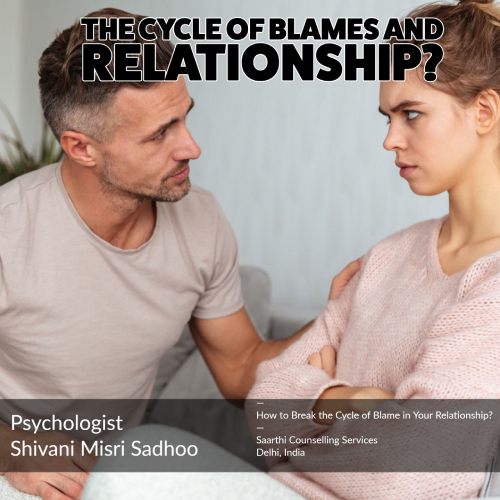
How to Break the Cycle of Blame in Your Relationship?

Finger-pointing can quickly turn a loving connection into a battleground of accusations and hurt feelings. Blaming is a natural human response to avoid responsibility, but it’s not constructive. It’s tough when the blame game becomes a regular part of a relationship.

Let’s find out why partners blame each other in a relationship and what are the ways to break this vicious cycle from India’s top relationship expert and marriage counsellor Shivani Misri Sadhoo.

Why does the blame game begin?

Childhood experiences – These shape our coping and communication strategies. If individuals face blame or criticism, they may unconsciously blame others in relationships.

Protect Self-esteem – Blaming others helps preserve a positive self-image and shields self-esteem, as admitting fault might be perceived as a weakness.

Lack of Empathy – It hinders understanding others’ perspectives, leading to a tendency to blame instead of considering their viewpoint.

Ways to Deal with the Blame Game?

Ways to Deal with the Blame Game?

Shivani says, every problem has a solution, you simply need to find it. Some of the ways to deal with the blame games are:

1. Use “I” Statements – Instead of pointing fingers and using accusatory language, express your feelings and concerns using “I” statements. For example, say, “I feel hurt when you blame me for everything” rather than “You always make me feel bad for …”

2. Accept your fault – Acknowledge your own mistakes and be willing to apologize when necessary. This sets a positive example and encourages your partner to do the same.

3. Forgive and Forget – Learning to forgive and forget involves letting go of past grievances and not holding on to grudges. It means releasing the need to continuously blame each other for past mistakes and choosing to move forward with a fresh outlook, fostering understanding and healing in the relationship.

4. Identify the root cause – Identify the root problems causing conflicts. Focus on understanding each other’s perspectives without immediately assigning blame. By pinpointing the real issues, you can work together to find constructive solutions and improve your relationship.

5. Be Patient – Practice patience by actively listening without interrupting or becoming defensive. Empathize with your partner’s feelings, communicate calmly, and avoid retaliating. This fosters understanding, promotes healthier discussions, and strengthens the bond between you both.

6. Nobody is Perfect – Of course, no relationship is without its hiccups. We’re only human, after all. So, let’s set realistic expectations and understand that perfection is not the goal here. It’s about progress. Celebrate the small wins along the way and acknowledge that change takes time.

7. Talk to each other – Healthy communication is the foundation of any successful relationship. Both partners must be willing to express their thoughts and emotions openly without fear of judgment or criticism. Encourage each other to share feelings and listen actively without interrupting or becoming defensive. This way, both partners can understand each other’s perspectives and work together to find constructive solutions.

8. Listen to each other – Actively listen to each other’s perspectives without interruption or defensiveness. Mutual respect and validation of each other’s feelings are essential. Together, find solutions to address the issue constructively, focusing on changing behavior rather than assigning blame.

9. Seek Professional Advice – Overcoming the blame cycle can be tough, especially if it’s ingrained. Seeking professional help from a therapist or counselor can be highly beneficial. A neutral third party can identify toxic patterns, offer insights, and guide partners toward healthier communication and conflict resolution.

10. Be Compassionate – show understanding and empathy toward your partner’s feelings and perspectives. This approach encourages open communication, fosters connection, and paves the way for resolving conflicts constructively.

It is never too late to break free from the blame cycle and embrace a healthier, happier future together. Relationships are a journey of growth, and learning from challenges and mistakes can lead to stronger connections and personal development.

couples goals by shivani misri sadhoo

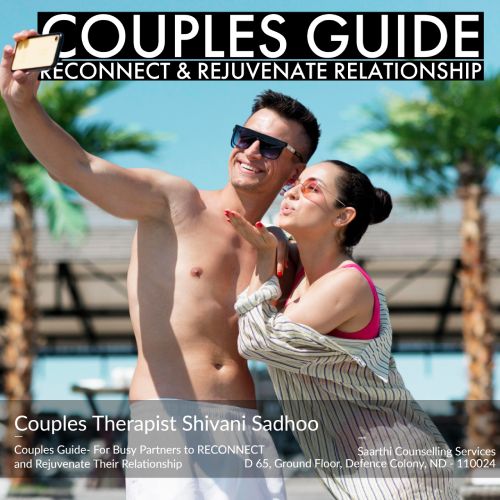
Couples Guide- For Busy Partners to RECONNECT and Rejuvenate Their Relationship

In the hustle and bustle of our fast-paced lives, it’s all too easy for the flames of romance to flicker and fade. The demands of work, family, and personal commitments often leave little time and energy for nurturing our relationships. However, building a healthy and vibrant connection with your partner is crucial for both your individual well-being and the longevity of your relationship.

So, if you find yourself in a situation where your partner’s busyness has caused a strain, fear not! In this article, we will explore creative and effective ways to reconnect and rejuvenate your relationship with your busy partner. India’s eminent marriage counselor, Shivani Misri Sadhoo is here to guide you.

1. Open Communication:

The foundation of any successful relationship lies in open and honest communication. Set aside dedicated time each day to engage in meaningful conversations with your partner. Create an atmosphere of trust where both of you can openly express your thoughts, concerns, and dreams. Effective communication builds understanding and empathy, fostering a deeper connection between partners.

2. Quality over Quantity:

While it may be challenging to find large blocks of time together, focus on the quality of the time you do have. Plan activities or outings that both partners enjoy and that allow for meaningful connection. It could be as simple as a romantic dinner at home, a walk in the park, or a weekend getaway. By maximizing the quality of your time spent together, you can create cherished memories and rekindle the spark in your relationship.

3. Surprise Gestures: 

Small, thoughtful gestures can go a long way in rekindling the spark in your relationship. Surprise your partner with their favorite meal, leave a heartfelt note in their briefcase or purse, or plan a surprise outing that aligns with their interests. These simple acts demonstrate your love and appreciation, creating moments of delight and reinforcing the emotional bond between you. Use technology for good. Sending text messages to your partner is a wonderful way to maintain a connection, share small moments, and show you care.

best marriage counseling blog in Delhi

4. Support and Understanding: 

Acknowledge and validate the challenges your partner faces due to their busy schedule. Show genuine interest in their work and offer support whenever possible. By demonstrating understanding and empathy, you build a strong foundation of trust and solidarity. Your partner will feel valued and cherished, fostering a sense of belonging within the relationship.

5. Shared Hobbies and Interests: 

Finding common ground and engaging in shared hobbies can infuse new energy into your relationship. Discover activities that you both enjoy and make time for them regularly. Whether it’s cooking, dancing, hiking, or painting, the shared experiences will create lasting memories and deepen your bond.

6. Save the date: 

Intentionally carve out time in both of your calendars for regular date nights. This dedicated time allows you to focus solely on each other, away from the distractions of work and daily responsibilities. Whether it’s a candlelit dinner, a movie night, or a cozy evening, make it a habit to schedule these dates to strengthen the bond and keep the romance alive.

7. Tender Touch: 

Physical intimacy is an integral part of any romantic relationship. Find moments to express affection, even amidst busy schedules. A warm hug, a gentle touch, or a passionate kiss can communicate love and desire. Prioritize intimacy and make it a regular part of your routine, reigniting the passion and desire within your relationship.

So, take the first step today, and embark on a path toward reconnecting and rejuvenating your relationship with your busy partner. Together, you can create a love that withstands the tests of time and nourishes your soul for a lifetime.

dating challenge relationship tips by shiavni sadhoo

Do You Need to Heal, Before Starting a New Relationship?

Avantika’s Story (Not real name)

Hardly a couple of years went into their marriage when Avantika and Rohan (not real names) were thinking about getting a divorce. Avantika was pondering where she went wrong. She analysed back the last couple of years of her marital life and the destruction of her first marriage and then how she met another man named Vishal (name changed) after some time post her divorce. Like Avantika, Vishal too was divorced and they found comfort and distraction both in each other’s company, which eventually turned into likeliness for each other.

Then, suddenly Avantika was feeling as if she had moved on too quickly, and more importantly, has she been able to completely heal from her last broken relationship prior to jumping into the next.

She posed a question to her and also to me when she came for the counseling, says Shivani Sadhoo. The question was “does she completely need to heal before initiating a new relationship”?

What is The process of grief and healing?

Shivani says first, one needs to delve deeper into the question. What do you mean by healing? Does anyone ever “fully” heal? How can one know when they are ready to begin again?

Grief is a cluster of emotions one experiences when one loses someone with whom they had emotional attachments. The feelings one has when grieving is usual, but the majority of the time, they are unpleasant. People look to want them to go away. What requires to be understood though is that these feelings have a reason. Sadness assists you to step away from others and see inward. It presents you with time to analyze yourself and come to realities with your own responsibilities and mistakes. It lends you time to think about the future you wish for and to gradually take steps forward.

There are other feelings while you grieve. Anger is a potent emotion that helps one make changes, but it mostly becomes a source of bonding that could cause problems. Grieving people could join with one another in a relationship formed on their anger at their ex-partners and rapidly bond over that commonality. These relationships may grow fast and feel very powerful, but they require much more than simply shared anger as a basis.

William Worden in his book “Grief Counseling and Grief Therapy” talks of recovery as a four-step First, you should accept the reality of the loss and start to see the opportunities for a new future. Secondly, one needs to feel the feelings of loss. This is the step majorly avoided but it is necessary. Third, you should adjust to the facts of life without the other. The fourth process is letting go of the lost partner and searching for a new, meaningful relationship. These new relationships may be romantic or they could be something else.

Last thought

How much time does it take? People attempt to put a time frame on this procedure, but it’s difficult to measure things in that manner. You might never feel “totally healed.” If you wait for that, you might never move ahead. How do you get to know you are healed enough? When are you actually ready? When the feelings of sadness and loss start to lift when one is alone with their thoughts, and their imagination begins accepting thoughts of a brighter future… one is starting to get there.

This blog is written by top relationship and marriage counselor Shivani Misri Sadhoo.

Small Yet Effective Ways to Make your Significant Other Feel Special

For many couples specifically, who have already spent a considerable amount of time in their marriage, it’s pretty easy to take your partner for granted. While the initial flames of young love might have cooled, keep the embers burning with lasting intensity.

Perhaps, life is too busy. It’s quite easy for you or your partner to feel neglected, at the bottom of a long list of priorities. So, the question arises how can you make certain your loved one still knows you love and care for them?

Also, it is not necessary that one has to do something big all the time to make their significant other feel special. Strengthen your relationship in the following small ways as suggested by India’s top marriage counselor Shivani Misri Sadhoo to make your significant other feel special.

Tell your Significant Other Things You Love About them

Send messages, leave a voicemail and better still tell them face to face. Instead of saying things like ‘I love you (although that is always nice) try saying something truly specific: ‘I love you for being so kind and thoughtful about … for your support when you were standing with me through those times. Look your partner in his/her eyes when you tell them face to face.

Do Something Helpful

Try to make life a bit easier for your partner, jobs he/she generally does. Get quotes for the car insurance, put on the clothes of washing (and dry/iron/ put them in cupboards afterward), sort and tidy that pile of stuff that has been lurking for ages or clean the bathroom or kitchen from top to bottom.

Give your Significant Other a Small Treat

Bring your partner a favorite takeaway coffee and perhaps a pastry too. Leave chocolate on his or her pillow. Buy a single rose (ok so you may have to hunt for a florist for that one) or a special pot plant.

Give them Your Undivided Attention

Make a favorite soup or shake and sit down to drink them together. Ask: ‘what was the finest part of your day today? What was the worst one?’ Simply listen, you don’t have to fix it. Try to be completely present for your partner while you’re talking (ignore your phone, laptop and ignore the ‘to-do list’ crossing your thoughts).

Get Physical

Give your loved one a foot rub or neck massage. Place your arms around him or her and give them a long, lingering hug. Try kissing for about 60 seconds or longer, more than just giving him or her a peck on the cheek. Also, you may try to shake up your sex schedule. You all know that waiting until the end of the night to get intimate mostly means you fall asleep before you get to it.

Try alternative times to get intimate — maybe your lunch hour, on a Saturday or Sunday afternoon when probably the house is empty or kids may be busy somewhere else that may not need your attention or instructions. If evenings are the only available time, make it a priority —try to get into bed earlier.

Your Counselor Is Now Just Skype/Video Call Away

During the current challenging time, it’s common to experience anxietydepressionsleeplessness, and relationship challenges at home. While you are under lockdown and maintaining social distancing norms to help the country to control the pandemic’s spread, your very own counsellor Shivani is now just a call and Skype video call away from you.

However, in this age of coronavirus, we hope to offer our therapeutic help. Change is difficult for all of us and changing the way you meet with your therapist is no exception.  But try it before you disregard this option.  This is a challenging moment in time, and fears and anxieties are running high.

You may find, telepsychology isn’t a second-rate option. Instead, it’s an effective and efficient upgrade to a valuable service!

Feel free to call Counselor Shivani Misri Sadhoo at +91-8860875040 for telephonic or video support and to book an online counselling session to address any relationship issues, emotional and psychological challenges.