Tag Archive : dating trend in India

Friendfluence Top Dating Trends 2026 relationship counselling

What Is “Friendfluence,” One of the Top Dating Trends of 2026?

Friendfluence Top Dating Trends 2026 relationship counselling

As the world of relationships continues to evolve, a new social-driven trend has emerged at the forefront of modern dating culture: “friendfluence.” This term — a blend of friend and influence — describes the growing impact that friends have on an individual’s romantic choices, behaviours, and dating decisions. In 2026, friendfluence is being recognised as one of the most powerful forces shaping how people connect, date, and build relationships, explains the leading couples therapist and relationship counsellor Shivani Misri Sadhoo.

At its heart, friendfluence reflects how deeply social circles affect dating life. Friends are no longer just companions or advisors — they increasingly help define what people find attractive, who they choose to date, and how they navigate relationships. This trend highlights a shift away from purely individual decision-making toward more socially informed relational choices.
Friendfluence Top Dating Trends 2026 relationship counselling

How Friendfluence Works in Modern Dating?

Friendfluence isn’t simply about listening to a friend’s approval or disapproval of a potential partner. Rather, it’s a nuanced dynamic that can take many forms, says Shivani Misri Sadhoo, an experienced marriage and relationship counsellor in Delhi.

  • Validation and Feedback: Before agreeing to a date or sharing a photo on a dating app, many people now seek input from close friends. A thumbs-up from the group can boost confidence, while a collective “no” can halt contact altogether.
  • Shared Social Norms: Friend groups often help establish what is seen as desirable or acceptable in potential partners — values, lifestyle choices, and even interests. This creates a subtle cultural script that shapes personal preferences.
  • Collective Experiences: Friends increasingly play active roles in social setups that lead to dating opportunities — group outings, double dates, social events, festivals, and meetups where introductions happen naturally.
  • Peer-Driven Boundaries: Conversations with friends about red flags, emotional well-being, and healthy boundaries inform how people approach commitment, communication, and expectations in relationships.

In essence, friendfluence transforms friends from passive observers to active contributors in the modern dating environment.
Friendfluence 2026 Dating Trends couples therapist Shivani Misri Sadhoo

Why is Friendship Emerging Now?

Several cultural and social shifts have accelerated the rise of friendfluence:

  • Greater Reliance on Social Networks: With digital communication and social apps shaping everyday interaction, peer influence is stronger — and more immediate — than ever before.
  • Shared Perspectives on Relationships: Younger generations tend to discuss dating openly within their social circles, normalising group input into decisions that were once private.
  • The Complexity of Modern Dating: With a vast number of choices available through dating platforms, people often turn to friends for clarity, reassurance, or grounding — especially when signals are ambiguous or overwhelming.
  • Rise of Group-Centred Activities: Social events, group adventures, and friend-mediated introductions increasingly replace traditional one-on-one blind dating or bar encounters.

Friendfluence Top Dating Trends 2026 relationship counselling

Positive and Challenging Sides of Friendfluence

Like any social phenomenon, friendfluence has both potential benefits and downsides.

Benefits:

  • Increased Support: Friends can help identify unhealthy patterns or red flags that individuals might overlook.
  • Shared Wisdom: Collective experiences provide a broader perspective and emotional guidance.
  • Enhanced Confidence: Supportive feedback can make dating less stressful and more secure.

Challenges:

  • Overdependence: Relying too heavily on friends for dating decisions may limit personal autonomy.
  • Group Bias: Friends may project their own preferences or fears into your decisions, sometimes unfairly.
  • Conflict: Disagreements about choices can lead to tension within the social group.
Friendfluence 2026 Dating Trends couples therapist Shivani Misri Sadhoo

How to Navigate Friendfluence Effectively?

To make the most of friend influence — without surrendering personal agency — consider the following:

  • Listen but Reflect: Take advice seriously, but make decisions based on your own values.
  • Set Boundaries: Clarify with friends how much input you want in your dating life.
  • Seek Diverse Perspectives: A variety of viewpoints can offer clarity without creating pressure.
  • Balance Social and Personal Insight: Combine your own feelings with thoughtful feedback.

In 2026, friendfluence is reshaping the way many people think about love, connection, and dating choices. Rather than isolating the individual decision-maker, the trend embraces the idea that relationships are part of a larger social ecosystem — and that friends, as trusted collaborators, play an influential role in how romantic journeys unfold.
Future Faking in Relationships counselling in Delhi Shivani Misri Sadhoo

Future Faking in Relationships: 5 Signs to Spot This Toxic Dating Trend

Modern dating has become faster, more intense, and emotionally charged. While deep conversations and big promises may feel exciting early on, not all future-focused talk comes from genuine intentions. One increasingly common toxic dating pattern is future faking—a behaviour that creates emotional attachment through promises that are never meant to be kept. Understanding this pattern is essential to protect your emotional well-being and make healthier relationship choices, explains Shivani Misri Sadhoo, who is a top couples and relationship therapist in India.

Future Faking in Relationships counselling shivani misri sadhoo

What Is the Future Faking in a Relationship?

Future faking in a relationship refers to when someone talks extensively about a shared future—marriage, moving in together, children, travel plans, or long-term commitment—without having any real intention of following through. These promises are often used to gain trust, speed up emotional intimacy, or keep a partner invested, especially when the relationship lacks consistent actions.

Future faking is not the same as hopeful planning or normal relationship discussions. The key difference lies in behaviour. In healthy relationships, future plans are supported by consistent effort, accountability, and emotional availability. In future faking, words are big, but actions are minimal or absent.

Why Future Faking Is Toxic?

Future faking can be emotionally damaging because it creates false hope. The person on the receiving end may invest time, energy, and emotional vulnerability based on promises that never materialise. Over time, this leads to confusion, self-doubt, anxiety, and emotional dependency. It is often seen in narcissistic or emotionally unavailable partners, though not exclusively.

Future Faking in Relationships counselling advice by Shivani Misri Sadhoo

5 Signs to Spot Future Faking in Dating

1. Big Promises Very Early

One of the clearest signs of future faking is intense future talk at an early stage of dating. Statements like “You’re the one,” “I want to marry you,” or “I see my whole life with you” within weeks can feel flattering, but they often lack a realistic foundation. Genuine connection takes time to build; rushed promises are a red flag.

2. Words Don’t Match Actions

A future faker may talk about commitment but avoid taking real steps—meeting family, defining the relationship, or making consistent plans. They might promise trips, moving in together, or engagement, yet constantly delay or change the topic when action is required. This gap between words and behaviour is a core indicator.

Future Faking in Relationships counselling blog

3. Promises Appear During Conflict

Future faking often intensifies when the relationship is at risk. If every argument is followed by grand promises—“We’ll be happy soon,” “I’ll change,” “Our future will be amazing”—but nothing actually improves, it’s likely being used as a control tactic to prevent you from leaving.

4. Vague or Shifting Timelines

Another sign of future faking in relationships is unclear timelines. Plans are always “someday,” “soon,” or “when things settle down.” When you ask for clarity, the answers remain evasive. Healthy partners can discuss realistic timelines, even if they are flexible.

5. You Feel Confused, Not Secure

Perhaps the most important sign is how the relationship makes you feel. Future faking creates emotional highs followed by disappointment. Instead of feeling secure and grounded, you feel anxious, uncertain, and constantly waiting for the future to begin. A healthy relationship provides stability, not emotional whiplash.

Future Faking in Relationships counselling blog

How to Protect Yourself?

To avoid falling into a future faking pattern, focus less on promises and more on consistent behavior. Observe whether actions align with words over time. Set boundaries, ask clear questions, and trust patterns—not potential. If someone truly wants a future with you, their effort will be visible without needing constant reassurance.

Future faking in relationships can be subtle, charming, and deeply misleading. While talking about the future is natural, it should always be supported by present-day commitment. Recognizing the signs early can save you from emotional exhaustion and help you choose partners who offer real connection, not just beautiful words.

Pedbbling New Dating Trend explain relationship counsellor Shivani Misri Sadhoo

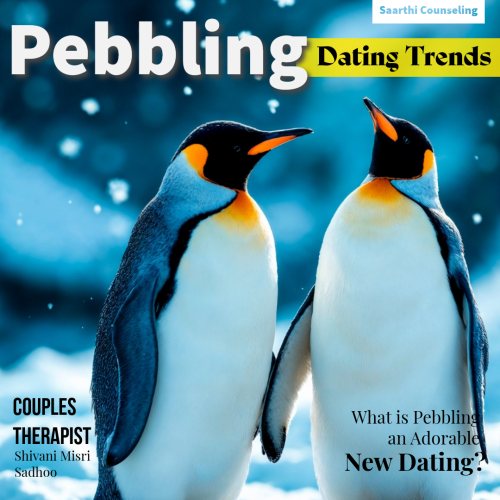
What is Pebbling an Adorable New Dating?

Pedbbling New Dating Trend by Marriage Counsellor Shivani Misri Sadhoo

If you have just gotten used to some of the strangest dating terms like ChemRIZZtry, Curveball-crushing, Love-loreing, and Truecasting, then gear up for another one. This new term draws inspiration from the world of penguins and is winning hearts everywhere.

It’s called Pebbling. Yes, the name sounds cute—and the concept is even cuter. If you’re wondering how pebbling got its name and why it is becoming one of the most popular dating trends today, shares Shivani Misri Sadhoo, who is one of the most experienced couples therapists and relationship counsellors in Delhi and India.

What is Pebbling?

Did you know that penguins woo their potential partners with pebbles? Sounds strange! Well, it is a cute way of expressing love, I would say. The male penguins quite meticulously select the perfect pebble to impress their significant other. We humans, couldn’t help but borrow this charming idea of expressing affection through small, thoughtful gestures-because sometimes it is the simplest tokens that carry the most meaning.

Ways We Do It

Humans have found novel ways of dating their partners. Pebbling can be used in digital as well as physical modes. Let’s see how:

Pedbbling New Dating Trend by Marriage Counsellor Shivani Misri Sadhoo

Physical pebbling

Gifting meaningful keepsakes

Offering someone a small item picked up during a trip—something that immediately reminded you of them—is a deeply intentional act. It’s not about cost or grandeur, but recognition. The object becomes a stand-in for the moment you paused, thought of them, and chose to bring a piece of that experience back. It tells them they occupy space in your mind even when they’re not physically present.

Handwritten notes filled with emotion

A handwritten note carries a kind of intimacy that can’t be replicated. Each word reflects time, care, and vulnerability. The imperfections—the slant of the handwriting, the pauses between lines—make it human. These notes endure, becoming something the recipient can return to whenever they need comfort, reassurance, or a reminder of being loved.

Bringing baked goods

Baking for someone is a quiet labour of affection. It involves effort, patience, and the desire to give something made by hand. More than food, it’s an offering of warmth and nurture. Sharing something homemade says, I wanted to create comfort for you.

Gifting a thoughtfully chosen book

Choosing a book for someone requires attention. Whether it’s a novel you believe they’ll get lost in or a subject aligned with their interests, it shows that you understand how their mind works. A book becomes a companion, and gifting one says, I see what inspires you, and I want to share that with you.

Sending fresh flowers

Flowers chosen with intention—because they reflect a favourite scent, colour, or mood—become sensory expressions of care. They brighten spaces, linger in memory, and offer a quiet reminder that someone was thinking of them. Even after they fade, the sentiment remains.

Planning a surprise coffee date

A surprise coffee date may seem simple, but it’s deeply personal. It’s about carving out time, creating closeness, and turning the ordinary into something meaningful. These moments, though unassuming, often become the most cherished.

Pedbbling New Dating Trend by Marriage Counsellor Shivani Misri Sadhoo

Digital pebbling

Sharing music with intention

Sending someone a song is a deeply intimate act. Each track is chosen for how it feels, what it recalls, or what it quietly communicates. Music becomes emotional shorthand—a way to express affection, longing, or understanding when words fall short.

Using emojis to express emotion

Emojis may be small, but they can carry immense emotional weight. A single symbol can soften a message, convey warmth, or express feelings too tender to spell out. In their simplicity, they often speak more honestly than words.

Sending articles, news, or recommendations

Sharing content tied to a shared interest or something the recipient is passionate about shows attentiveness. It’s a way of saying, I pay attention to what matters to you, even in passing moments.

Tagging and interacting online

Tagging someone in a post that reflects an inside joke or shared sentiment is a modern form of connection. It’s playful, public yet personal, and rooted in shared understanding. These small interactions reinforce bonds in subtle but meaningful ways.

Pedbbling New Dating Trend by Marriage Counsellor Shivani Misri Sadhoo

Pros of Pebbling

1. Strengthens Introverted Relationships

Pebbling helps introverted relationships grow because it offers connection without pressure. For introverts, long conversations or constant interaction can feel draining, even with people they care about. Pebbling—sharing small messages, links, photos, or thoughts—creates a gentle way to stay close.

It gives just enough interaction to feel seen and understood, without becoming overwhelming. Since there’s no need to reply right away, both people can engage when they feel ready and emotionally available. This slow, flexible exchange builds warmth and trust over time, letting relationships bloom naturally and comfortably.

2. Security Matters

When partners practise pebbling—those small, thoughtful gestures that say “I’m thinking of you”—it quietly builds a deep sense of security in the relationship. Over time, these little acts add up, reassuring each person that they matter and that the bond is steady, not fragile. When you know your partner is reliably attentive and emotionally present, doubts lose their sharp edge and uncertainty doesn’t get much room to grow.

This feeling of safety makes it easier to lower one’s guard, to speak honestly about fears, needs, and imperfections without worrying about judgment or withdrawal. In such an atmosphere, conversations become kinder and conflicts less threatening, because both partners are anchored in the belief that they are on the same side. Pebbling, in its gentle way, turns everyday care into a strong foundation for trust, openness, and healthier ways of working through disagreements together.

3. Keeps The Romance Alive

When you first meet someone and sparks fly, everything feels electric—those butterflies, that slightly unreal happiness—but as time passes, that intensity naturally softens. The so-called honeymoon phase fades, not because love disappears, but because life settles in. This is where pebbling quietly works its magic. Pebbling is about those small, thoughtful gestures that say I see you—a note slipped onto the fridge, a song shared for no reason, a favourite snack brought home unexpectedly.

These acts may seem simple, almost insignificant, yet they carry a gentle power. They keep surprise alive, nurture warmth, and remind both partners that affection doesn’t need grand declarations to feel profound. Especially in moments of loneliness or when doubts creep in and fears of drifting apart arise, pebbling rekindles emotional closeness. It reassures, without drama, that love is still present—steady, attentive, and deeply felt—woven into the everyday fabric of the relationship.

4. Stressbuster

Life can get relentlessly hectic, and when pressures pile up, they have a way of seeping into our closest relationships. This is where pebbling comes in, quietly and kindly. Pebbling—those small, thoughtful gestures or gentle words—acts like a pause button on stress. A warm message, a shared joke, a cup of tea placed without being asked: these modest acts ease tension and remind two people that they are seen and cared for.

Over time, such moments build an emotional cushion, making love feel steadier and more secure. Couples who practice pebbling often find that disagreements lose their sharp edges; patience comes more easily, empathy flows more freely, and conflicts are approached not as battles to be won but as conversations to be resolved. In its unassuming way, pebbling restores calm, reinforces connection, and helps love endure the daily wear and tear of life.

Cons of Pebbling

  • Pebbling can replace real communication by keeping things light while avoiding deeper conversations.
  • It can create mismatched expectations when one person reads more meaning into it than the other.
  • It can start to feel like pressure when replying becomes an unspoken obligation.
  • It can mask low effort by substituting memes for actual follow-through.
  • It can trigger attachment issues if one person overthinks while the other feels overwhelmed.
  • It can stall progress by keeping the connection indirect and undefined.

In a nutshell, pebbling is about showing love through small, thoughtful gestures that build closeness, security, and warmth. When done mindfully, it keeps romance alive and reduces stress. But balance matters—pebbling should support, not replace, honest communication and genuine effort in relationships.

Pickleball Dating Trending Relationship Counsellor Shivani Misri Sadhoo

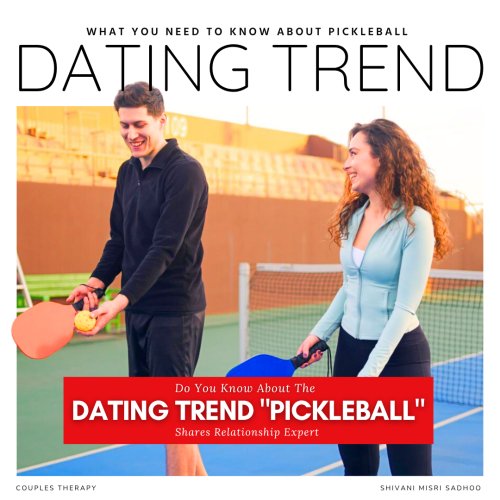
What You Need to Know About Pickleball Dating? Shares Expert

In recent years, a new kind of social and romantic trend has been quietly taking over parks, gyms, and recreational centres — Pickleball Dating. What started as a fun, friendly sport for all ages has now evolved into an unexpected matchmaking hotspot. From singles meetups on the court to dating apps adding “Pickleball” as an interest filter, this sporty new way to connect is becoming a favourite among people looking for love — or at least some lively competition, says leading couples therapist and relationship counsellor Shivani Misri Sadhoo.

What Is Pickleball Dating?

Pickleball dating combines the sport of pickleball with the social experience of meeting potential partners. It’s not just about scoring points; it’s about finding chemistry — both on and off the court.

Pickleball itself is a paddle sport that blends elements of tennis, badminton, and ping pong. It’s easy to learn, fun to play, and perfect for group or doubles matches — which makes it naturally social. Because of its friendly pace and interactive setup, it encourages conversation, teamwork, and laughter — all key ingredients for forming connections.

In pickleball dating events, singles are paired up in matches or rotated across different partners, allowing them to meet multiple people in a relaxed, non-pressured setting. Think of it as “speed dating meets recreational sport” — where compatibility is tested through playful rallies instead of awkward small talk.

Why Is Pickleball Dating Trending?

There are several reasons why pickleball dating has become one of the most talked-about modern dating trends:

1. It’s Active and Fun
People today are looking for experiences that go beyond sitting in a café or swiping endlessly on dating apps. Pickleball offers a refreshing change — it gets people moving, laughing, and enjoying the moment. The shared physical activity makes it easier to break the ice and show your authentic self.

2. It’s Social and Inclusive
Pickleball is known for being one of the most inclusive sports — suitable for all ages and fitness levels. That makes it ideal for singles in their 20s, 40s, or even 60s. Unlike some sports that can feel competitive or intimidating, pickleball is lighthearted and community-driven, creating the perfect atmosphere for socializing and forming connections.

3. Post-Pandemic Shift Toward Real Connections
After years of online-only interactions, people are craving genuine, face-to-face connections. Pickleball dating events provide that — a way to meet others in person, bond through shared activity, and avoid the digital fatigue that comes with dating apps.

4. Shared Interests Build Stronger Bonds
When you meet someone who enjoys the same hobby, the connection feels natural. Pickleball dating gives singles a common ground — literally and figuratively — from the very first serve. It’s an instant icebreaker that fosters teamwork, communication, and friendly competition.

5. Celebrities and Media Influence
Pickleball’s popularity has skyrocketed thanks to celebrity endorsements and media coverage. Famous figures like Leonardo DiCaprio, Ellen DeGeneres, and the Kardashians have been spotted playing, bringing the sport — and its dating potential — into the mainstream.

The Bigger Picture: Why Pickleball Dating Works

Beyond being a trend, pickleball dating reflects a broader shift in how people approach relationships. Modern singles are prioritizing shared experiences, health, and emotional compatibility over superficial dating norms. Playing pickleball together reveals personality traits — teamwork, patience, humor — that can’t be seen through a screen.

It also reduces the awkwardness that comes with traditional dating. The focus on fun and movement makes it easier to let your guard down. Even if you don’t find romance, you walk away with new friends and a good workout — a win-win situation.

Pickleball dating is more than a passing fad — it’s a sign of how people are redefining connection in today’s world. It’s about mixing sport, laughter, and a little bit of flirtation in a space where everyone feels welcome.

Whether you’re new to the dating scene or just looking for a fresh way to meet people, picking up a paddle might be your next best move. After all, love — like pickleball — is about finding the right rhythm, playing fair, and enjoying the game together.

Dating Profile That Can Lead to Marriage

Tips to Create Effective Dating Profile That Can Lead to Marriage

Finding love in today’s digital world can feel like a thrilling adventure or a daunting challenge. With just a swipe or a click, you can meet potential partners from across the globe. But how do you cut through the noise of endless profiles to find someone who genuinely aligns with your goals? While dating apps have made the process convenient, they’ve also introduced complexities that weren’t present in the era of handwritten love letters or classic movie nights of the 1980s.

How do you navigate this modern maze of romance? Can creating the right dating profile really be the key to finding someone special—and perhaps, even leading to marriage?

To answer these questions, Shivani Misri Sadhoo, India’s top couples therapist and relationship counsellor shares her expert tips to craft a dating profile that reflects your true self and attracts the right kind of partner for a meaningful, lasting relationship.

Shivani Misri Sadhoo, India’s top couples therapist and relationship counselor

1. Be Authentic when creating your dating profile

Perhaps the first and foremost thing to do when creating a dating profile is to be honest and authentic. Misrepresenting yourself or pretending to be flawless won’t help you find the right person. Be clear about what you want, whether it’s companionship or a lifelong partner, and embrace your imperfections with self-respect. Authenticity is magnetic and shows you value yourself and your journey. Being genuine helps attract someone who truly appreciates you for who you are.

2. Add Your Hobbies and Interests to Your Dating Profile

Always remember, that a successful dating profile should be fun, inviting, and full of personality. Use the 3 Cs— colour, context, and character—to tell your story and stand out. Highlight your hobbies, interests, and how you spend weekends. Focus on passions, like things you love doing, rather than problems.

Take advantage of the dating apps, to add details about work, family, and favourite activities. Keep it lighthearted and engaging to make online dating enjoyable for you and your matches.

3. Get To Know Your Potential Partner

Many times, while creating an attractive dating profile, we focus on showcasing ourselves but forget to express interest in knowing our potential partner. People value being known and supported, especially by romantic partners, where this understanding feels unique. Research shows that the most appealing profiles highlight a genuine desire to know and support a partner. The promise of being truly understood attracts others, as the need to feel known is a fundamental human desire.

4. Do Not Leave Any Gaps

Incomplete dating profiles are a big letdown. They show a lack of effort and interest, which can leave a poor first impression. First impressions matter, especially on dating apps, where your profile is the only way strangers get to know you.

Don’t approach it with a defeatist attitude, thinking it won’t work. A pessimistic outlook is never attractive and will only drive potential matches away. Take the time to complete your profile thoughtfully—it’s worth it.

5. Post Current Photo

Your face is a mirror to your mind, reflecting your true self. It’s important to be remembered for who you are today, not how you looked years ago in high school. Always post current photos when dating, as your partner wants to see the real you.

Outdated pictures often lead to mismatched expectations and disappointment. Include a mix of photos like headshots, full-body shots, and candid moments that reveal your hobbies and personality. Use clear, well-lit, high-resolution images. Avoid filters, as they can create a false impression. Show your true self with confidence.

6. Make Your Intentions Clear

There is no need to play hide and seek with your potential dating partner. Be upfront about your expectations from the start. If you’re unsure about what you want, it’s okay to admit it. Say that you’d like to explore compatibility and see where the relationship leads. If you’re someone who doesn’t enjoy mind games, make it clear what that means for you. Let them know you want a connection without unnecessary drama, chaos, or emotional baggage. Honesty sets the right foundation for any relationship.

In a nutshell, creating an effective dating profile requires authenticity, showcasing your hobbies and interests, and expressing a genuine desire to know your potential partner. Complete your profile thoughtfully, post current photos, and be clear about your intentions. By embracing these tips, you can craft a profile that reflects your true self and attracts a meaningful, lasting connection.

toxic relationship trends in India Shivani Misri Sadhoo blog

What Is Sledging? Understanding A Growing Toxic Dating Trend Among Gen Z

Dating can swing from exhilarating to downright frustrating. Among the many toxic trends in the modern dating world—ghosting, breadcrumbing, and zombieing—“sledging” stands out for its premeditated and manipulative nature. Rooted in a lack of genuine intent, sledging involves someone deliberately entering a relationship with plans to end it after a specific time, often right after the holiday season.

Let’s dive into this harmful trend, with insights from India’s top couples therapist and marriage counsellor Shivani Misri Sadhoo, and explore how you can protect yourself from falling victim to it.

What Is Sledging in Dating?

Sledging refers to being strung along in a relationship solely to serve the other person’s temporary needs. The term captures the image of dragging someone emotionally, like pulling a sledge through the winter, with no intention of continuing the relationship after the holidays. Sledgers often decide months in advance to break up, wasting their partner’s time and leaving them blindsided when the relationship abruptly ends. Unlike the cozy bonds of cuffing season, sledging is purely for convenience and leaves the victim hurt and unfulfilled.

Sledging Toxic Dating Trend Among Gen Z

Why Do People Engage in Sledging?

Seeking Winter Companionship – Winter can feel isolating, and the festive season amplifies loneliness for many. To avoid being alone, some seek temporary relationships to fill the emotional void, valuing short-term comfort over long-term commitment.

Social Pressures During Festive Events – Holidays come with numerous social gatherings, and being single at these events can feel awkward. Many enter relationships to have a “plus one” for parties, family dinners, or holiday photos, prioritizing appearances over authenticity.

Fear of Commitment – The perks of companionship without emotional investment appeal to those wary of long-term commitments due to past heartaches or fear of vulnerability.

Ego Boost and Validation – For some, the thrill of attracting a partner and basking in their affection serves as an ego boost. The relationship itself is less important than the validation they derive from being desired.

Societal Expectations – Pressure from society—and social media—to appear in a relationship during the holidays drives people to engage in flings for show, rather than pursuing meaningful connections.

Avoiding Emotional Vulnerability
By keeping relationships superficial, sledgers shield themselves from the risks of deep emotional connections, enjoying the benefits of a relationship while keeping their feelings at arm’s length.

Red Flags of Sledging

  • Mixed Signals – Early attention and communication wane over time, leaving interactions feeling shallow and routine.
  • Reluctance to Discuss the Future – Your partner avoids making long-term plans, signalling a lack of serious intent.
  • Focus on Instant Gratification – Sledgers prioritize immediate pleasure, showing little interest in building a lasting connection.
  • Lack of Emotional Depth – Superficial conversations and avoidance of vulnerability suggest emotional detachment.
  • Over-the-Top Affection Early On – An initial flood of affection (love bombing) may mask manipulative intentions.

How to Protect Yourself from Sledging in a Relationship?

  • Seek Authentic Connections – Focus on shared interests and mutual goals to foster genuine relationships.
  • Communicate Openly – Be honest about your relationship expectations and encourage the same from your partner.
  • Avoid Treating or Being Treated as a Placeholder – Refuse to settle for a relationship built on convenience or seasonal loneliness.
  • Resist Societal Pressures – Being single is a valid choice; your worth isn’t tied to your relationship status.
  • Set Boundaries – Discuss needs and goals early. If there’s a misalignment, agree on a respectful exit strategy.
  • Embrace Being Single – Singlehood can provide opportunities for personal growth and self-confidence, laying the foundation for future healthy relationships. It’s vital to focus on relationships rooted in authenticity rather than fleeting convenience. Sledging might seem like a harmless trend, but it creates emotional harm and robs people of opportunities for real connection. By prioritizing open communication, self-respect, and emotional honesty, you can protect yourself and build meaningful, lasting bonds.