Tag Archive : best relationship counselor in delhi

best couples therapist in delhi_shivani misri sadhoo

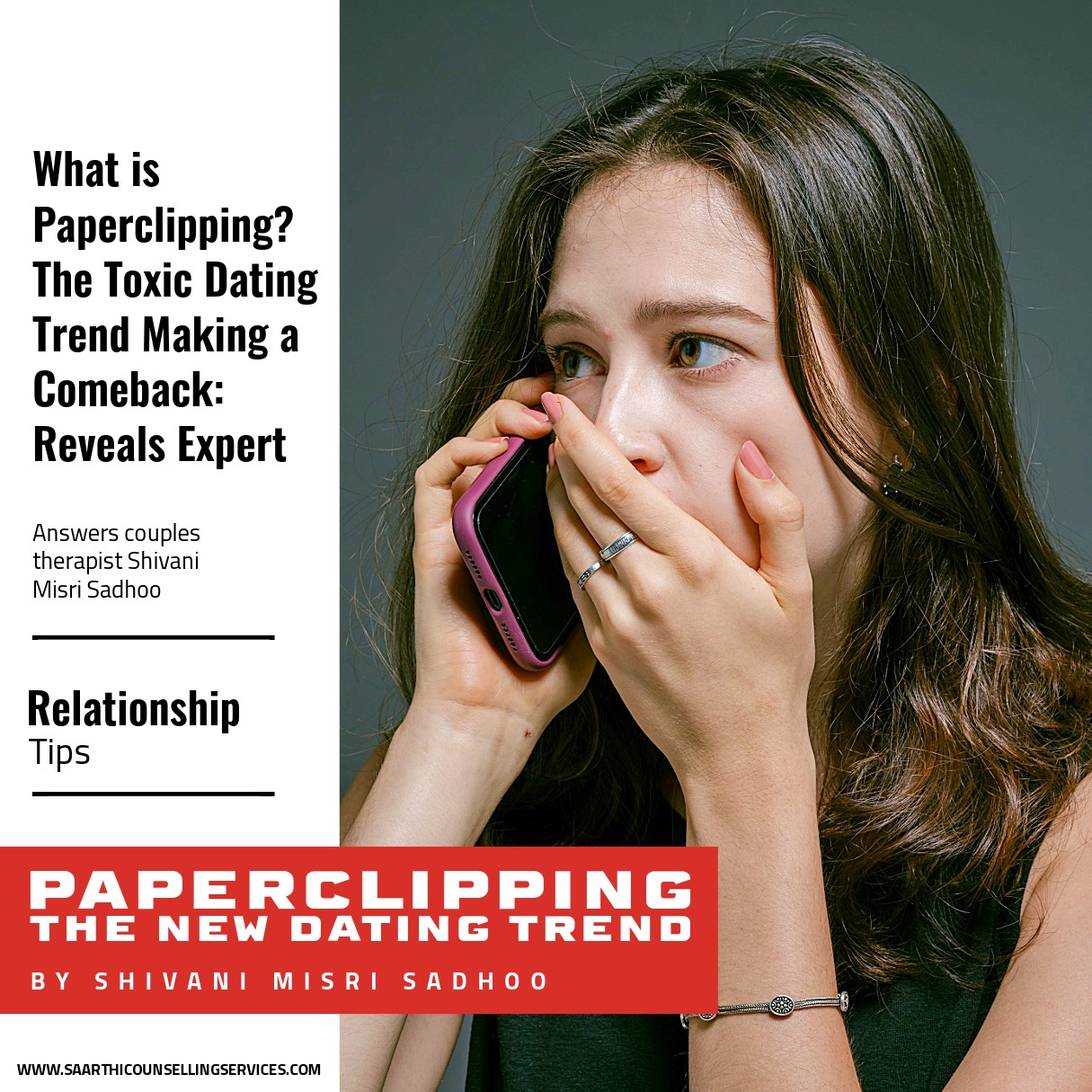
What is Paperclipping? The Toxic Dating Trend Making a Comeback: Reveals Expert

Summary
  • Paperclipping is when someone reconnects after ghosting without genuine commitment.
  • It often creates emotional confusion and can reopen old wounds.
  • Healthy relationships require consistency, accountability, and respect.

Dating trends continue to evolve with the rise of social media and dating apps, bringing new relationship behaviors into the spotlight. One term that has recently resurfaced is paperclipping, a pattern where someone who once disappeared from your life suddenly reaches out again with little or no explanation.

While the message may seem harmless, paperclipping can stir old emotions, create confusion, and prevent people from moving forward. Understanding this behavior can help you recognize unhealthy relationship patterns and protect your emotional well-being shares Shivani Misri Sadhoo who is an eminent marriage counselor, relationship expert in Delhi.

Why Do People Return After Ghosting Without Real Intentions?

Paperclipping happens when someone who previously ghosted or ended communication unexpectedly reconnects through a text, social media reaction, or casual conversation. In many cases, the person is not looking to rebuild the relationship or offer a sincere apology.

best couples counselor in delhi_shivani misri sadhoo

Instead, they may be seeking attention, validation, or simply checking whether they still have a place in your life. This behavior can create false hope because it often lacks genuine commitment or accountability. While every situation is different, consistently returning without meaningful effort is a sign of an unhealthy communication pattern.

“A genuine connection doesn’t disappear without explanation and return only when it’s convenient. Consistency, honesty, and respect are what truly define a healthy relationship.” Says couples counselor Shivani Misri Sadhoo

The Origin of the Term

The name paperclipping comes from Clippy, the animated paperclip assistant once featured in Microsoft Office. Just as Clippy would unexpectedly pop up on a computer screen, a paperclipper suddenly reappears after a long period of silence, often acting as if nothing happened.

best marriage counselor in delhi_shivani sadhoo

How Paperclipping Affects Emotional Well-Being

When someone unexpectedly returns after disappearing, it can reopen emotional wounds that had already begun to heal. The sudden contact may create uncertainty, encourage overthinking, and make it harder to move on. People often find themselves questioning the other person’s motives or wondering whether the relationship deserves another chance.

Signs You May Be Experiencing Paperclipping

Paperclipping usually begins with a casual message after weeks or months of no contact. The person may avoid discussing why they disappeared, show inconsistent interest, and disappear again once they receive attention. They rarely make meaningful efforts to rebuild trust or establish a healthy relationship.

india's top marriage counselor_shivani misri sadhoo

Setting Healthy Boundaries

Not every person who reconnects has bad intentions, but actions matter more than words. A sincere attempt to reconnect includes honesty, accountability, and consistent effort. If someone repeatedly enters and exits your life without addressing the past, setting clear boundaries can help protect your emotional health and prevent the cycle from repeating.

Paperclipping is a reminder that not every return deserves a second chance. While reconnecting with someone can sometimes lead to a healthy relationship, genuine intentions are shown through accountability, consistency, and respect. Recognizing the signs of paperclipping can help you make informed decisions, maintain healthy boundaries, and prioritize relationships that offer stability rather than uncertainty.

best marriage counselor in delhi_shivani sadhoo

Key “Red Flags” in a Perfect Happy Relationship – That Often Goes Unnoticed

Summary
  • Subtle Disconnection: Hidden red flags like recurring forgetfulness, excessive secrecy, and sudden password changes slowly destroy basic trust.
  • Communication Breakdown: Defensive habits like stonewalling and constant self-censorship out of fear stop true emotional intimacy.
  • Hollow Apologies and Disrespect: Relationships fracture internally when partners feel chronically undervalued, dismissed, or receive meaningless, empty apologies.

A house looks beautiful not merely because it has been designed artistically. Its true beauty lies in what exists within its walls. No matter how grand the architecture may be or how elegant its décor, a house can only become a home when it is filled with warmth, love, respect, and a sense of belonging. Our relationships are also somewhat similar.

best couples therapist in delhi_shivani sadhoo

The few key ingredients of a healthy relationship such as trust, respect, honesty, communication, and kindness should be nurtured with love. But, even if you feel that your relationship is perfect and happy, there may be a few red flags that you probably have missed. Eminent marriage counsellor, relationship expert in India, Shivani Misri Sadhoo shares some of the Key Red Flags in a Perfect Happy Relationship That Often Goes Unnoticed.

What Makes a “Perfect” Relationship Turn Sour?

A relationship can look flawlessly curated to the outside world while slowly fracturing from within. The most dangerous threats to a couple’s happiness are not explosive arguments, but the quiet, incremental erosion of safety and trust. When core foundational values like mutual respect and transparent communication begin to fade, they are replaced by subtle toxic habits. These behaviors gradually build emotional walls, turning what once felt like a secure sanctuary into a hollow, disconnected space.

Couples therapist, Shivani Misri Sadhoo says, that “A relationship is like a home; its true beauty is not how perfect it looks from the outside, but whether it provides warmth, safety, and honesty within its walls.”

1. Taken For Granted

Sometimes, life can be really hectic. One may forget wishing their partner on their special occasions like a birthday or an anniversary, or perhaps the day they never used to forget—’the day they met’. And, it could all be due to the countless deadlines, important meetings and conferences, or family responsibilities.

But, when that forgetfulness becomes a recurring pattern, it can be considered as a red flag. It simply shows that your partner does not really bother about your feelings and is probably taking you for granted. With time, this quiet indifference can create an emotional distance, even in a relationship that otherwise looks happy and perfect.

best couples counselor in delhi_shivani misri sadhoo

2. They Don’t Respect You

Respect is one of those key ingredients of a happy and beautiful relationship. There is no compromise when it comes to feeling valued, heard, and acknowledged by the person you love. The fact that you exist should be reason enough for your partner to treat you with kindness, consideration, and dignity.

You should never have to fight for basic respect or constantly prove your worth. The moment you start feeling disrespected, unheard, or find yourself being in a situation where your opinions are not given importance, it is a prominent red flag that irrespective of how perfect your relationship might look from outside, there is something seriously wrong somewhere. And, the more you ignore, the worse it becomes.

3. Stonewalling

Stonewalling is yet another red flag that often goes unnoticed in an otherwise seemingly happy and a picture-perfect relationship. If you are wondering what Stonewalling is, then it simply means emotionally shutting down and refusing to communicate or engage when a difficult conversation or conflict arises.

Instead of trying to communicate, one partner may withdraw completely, give the cold shoulder, avoid eye contact, offer one-word replies, or suddenly find ways to distract themselves from the discussion. While it may appear harmless on the surface, stonewalling creates emotional distance, leaving the other person feeling disconnected.

best couples counselor in india online_shivani misri sadhoo

4. You’re Uncomfortable Around Your Partner

When you are in a relationship, it is expected that you would share your thoughts, feelings, experiences, and even the little details of your day with your partner. A relationship can be called healthy when both the partners are on the same page. They happily share things, moments, laughter, and never feel uncomfortable around each other.

 However, if you find yourself holding back, avoiding certain conversations or constantly worrying about how your partner might react, it is worth paying attention to. The fear of being judged, criticised, dismissed, or misunderstood can slowly create emotional distance.

Over a period of time, this hesitation stands as a barrier between two people, preventing honest communication and emotional intimacy from flourishing. What begins as occasional self-censorship can gradually turn into a habit of suppressing thoughts, feelings, and concerns. 

5. Too Secretive

Is your partner hiding too many things from you? Are they being too secretive? Earlier, you knew each other’s phone passwords. But, now you don’t! The password has been suddenly changed and you are left in dark.

Now, this is often the temperament of someone who is not really comfortable being transparent about their actions. Of course, every individual requires their personal space. Not every thought, or conversation, needs to be shared with a partner. Sometimes people keep things to themselves simply because they don’t want to be the reason for your tension.

 But, when your partner starts hiding almost every matter from you, then it is definitely a red flag in your seemingly perfect and happy relationship. Honesty is not about seeking permission; it is about building trust. If meeting an old school friend who was once your first crush is truly no big deal, then why hide it? If spending an evening at a newly opened pub, exchanging messages with an ex, deleting chats, or withholding details about frequent conversations with a particular person feels harmless, then why keep it a secret?

When such small omissions become a habit, they slowly erode trust, and over time a partner begins to wonder not just about what is being hidden, but why it is being hidden in the first place. That quiet erosion of trust is what makes secrecy such an often-overlooked red flag.

6. When Apologies Don’t Mean Anything

You know that you made a mistake. You say ‘Sorry’. You assure your partner that it won’t happen again and promise that you’ll be more mindful in the future. But then, after a few days, you make another mistake and this time too, you say sorry to your partner. But, when this becomes a pattern, the apology sounds hollow.

Those 3 words, “I am Sorry” had no significance at all. Genuine remorse is reflected not just in words, but in changed actions. If someone repeatedly hurts their partner in the same way despite repeated apologies, it is certainly a red flag that often goes unnoticed in otherwise happy relationships.

These red flags are often subtle and easy to overlook because they rarely appear as dramatic warning signs. Instead, they quietly slip into everyday interactions and gradually become part of the relationship.

best marriage counselor in delhi ncr_shivani misri sadhoo

A healthy relationship is always built on trust, mutual respect, honesty, candid communication, and emotional safety. When you begin to feel emotionally distant, taken for granted, disrespected, stonewalled, uncomfortable and hesitant around your partner and feel their repeated apologies are not genuine, and that they are too secretive, it is high time you think seriously about your relationship. Even if it appears to be perfect from outside, there is something wrong internally. 

relationship in digital age insight by relationship counsellor Shivani Misri Sadhoo

Is Online Culture Making Rejection Harder for Today’s Youth?

Rejection has always been a part of growing up, but for today’s youth, it often feels heavier, louder, and more public than ever before. In a world shaped by social media, instant feedback, and constant comparison, rejection is no longer just a private disappointment.

It can feel like a public verdict. From being left on “read” to not getting enough likes or being excluded online, digital culture has transformed how young people experience and process rejection. This raises an important question about whether the online world is making emotional resilience harder to build, says Shivani Misri Sadhoo, who is one of the top couples therapists and relationship counsellors in Delhi.

relationship in digital age insight by relationship counsellor Shivani Misri Sadhoo

Rejection in the Age of Visibility

In earlier generations, rejection usually happened in limited social circles. A declined invitation, a failed exam, or a romantic disappointment was often experienced privately or shared with a few trusted people. Today, online platforms make social interactions visible and measurable.

When a post receives little engagement or a message goes unanswered, rejection feels quantified and exposed. For many young people, these small digital signals are interpreted as judgments on their worth, making rejection feel constant rather than occasional.

relationship in digital age insight by relationship counsellor Shivani Misri Sadhoo

The Pressure of Constant Comparison

Social media encourages users to compare their lives with carefully curated versions of others’ success and happiness. When young people see peers achieving milestones, gaining attention, or appearing confident and admired, rejection can feel like personal failure rather than a normal life experience.

This comparison culture amplifies self-doubt and can make setbacks feel more significant than they truly are. Instead of seeing rejection as a temporary obstacle, many begin to internalise it as a defining trait.

relationship in digital age insight by relationship counsellor Shivani Misri Sadhoo

Fear of Public Failure

Online culture has blurred the line between private mistakes and public embarrassment. A rejection can quickly become visible through screenshots, unfollows, or subtle online signals. This creates a fear of trying at all.

Many young people hesitate to apply for opportunities, express feelings, or share creative work because the possibility of rejection feels too public and permanent. The internet rarely forgets, and this perceived permanence adds emotional weight to every risk.

relationship in digital age insight by relationship counsellor Shivani Misri Sadhoo

Reduced Opportunities to Build Resilience

Resilience is often built through repeated exposure to disappointment and recovery. However, digital interactions can limit this process. Online rejection tends to be abrupt, silent, or ambiguous, offering little explanation or closure.

Being ignored or excluded online does not provide the feedback needed to learn and grow. Over time, this can make rejection feel confusing and deeply personal, rather than a normal part of human interaction.

Emotional Validation and External Approval

Online culture places strong emphasis on validation through likes, comments, and followers. When approval becomes external and numerical, rejection feels like the absence of value. Youth who grow up equating attention with self-worth may struggle more when validation is withdrawn. This dependency can make rejection emotionally overwhelming, as it challenges both confidence and identity.

Learning to Reframe Rejection

Despite these challenges, online culture does not make rejection impossible to handle; it simply changes how it must be understood. Teaching young people to separate online feedback from self-worth is essential.

Rejection, whether online or offline, is not a reflection of personal value but a natural outcome of diverse opinions, preferences, and circumstances. Developing digital literacy, emotional awareness, and self-compassion can help youth navigate rejection more healthily.

Online culture has undeniably reshaped how today’s youth experience rejection, making it more visible, frequent, and emotionally intense. While this environment presents new challenges, it also offers an opportunity to redefine resilience for the digital age. By encouraging meaningful offline connections, fostering self-worth beyond online approval, and normalising rejection as part of growth, young people can learn not only to cope with rejection but to grow stronger through it.

best family therapist in delhi ncr_shivani misri sadhoo

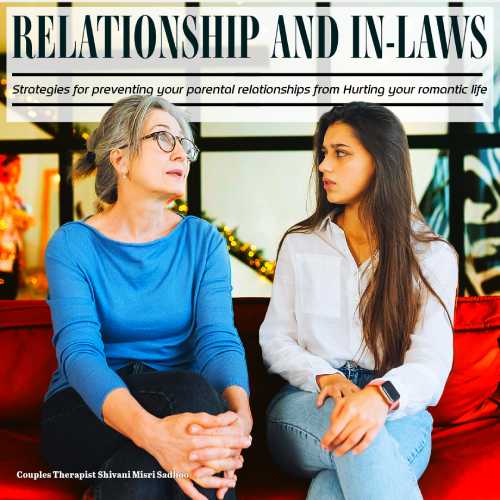
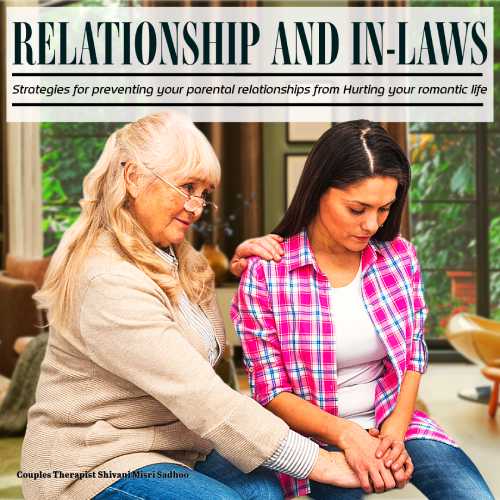
Strategies to Prevent Parental Relationships From Hurting Your Romantic Life

Navigating the complexities of romantic relationships can be challenging, especially when parental dynamics come into play. While our relationships with our parents are often deeply ingrained and significant, they can sometimes inadvertently impact our romantic endeavours.

However, with awareness and intentional strategies, it’s possible to maintain healthy boundaries and prevent parental relationships from negatively affecting your romantic life, says leading family and couples therapist Shivani Misri Sadhoo in this blog.

What are the strategies to prevent your parental relationships that may hurt your romantic life?

According to Shivani Sadhoo, you need to follow the given process that may yield you good results. These are:

Awareness is Key

The first step in preventing parental relationships from harming your romantic life is to acknowledge the influence they may have. Reflect on how your upbringing and interactions with your parents shape your views on love, communication, and intimacy.

Recognizing patterns or behaviors learned from parental relationships can empower you to address them effectively.

Open Communication

Communication is the cornerstone of any successful relationship. Be open and honest with your partner about your family dynamics, including your relationship with your parents. Discuss any concerns or boundaries you feel are important to maintain within your romantic relationship.

Establish Boundaries

Setting clear boundaries is crucial for maintaining healthy relationships with both your parents and your partner. Communicate your boundaries respectfully but firmly, ensuring that both parties understand and respect each other’s needs. Boundaries may include time spent with parents, involvement in decision-making, and privacy within your romantic relationship.

Prioritize Your Partner

While it’s natural to value your relationship with your parents, it’s essential to prioritize your romantic partner. Make time for one-on-one experiences and prioritize their needs and feelings. Show your partner that they are valued and respected within the relationship.

Seek Support

If you’re struggling to navigate the complexities of parental relationships and romantic endeavors, don’t hesitate to seek support from a therapist or counselor.

Professional guidance can offer valuable insights and strategies for managing challenging dynamics and fostering healthier relationships.

Set Healthy Expectations

Unmet expectations can often lead to conflict and resentment within relationships. Be mindful of the expectations you hold for both your parents and your partner, and ensure they are realistic and healthy. Recognize that your partner cannot fulfill the role of your parent, nor should they be expected to.

Practice Self-Awareness

Take time to reflect on your own thoughts, feelings, and behaviors within your relationships. Are there patterns or triggers that stem from your parental relationships? Cultivating self-awareness can help you identify areas for personal growth and ensure that past dynamics don’t negatively impact your romantic life.

Cultivate Independence

Developing a sense of independence and autonomy is essential for maintaining healthy boundaries within relationships. While it’s natural to seek guidance and support from your parents, strive to make decisions independently and assert your own identity within your romantic relationship.

Focus on Growth

Relationships, both with parents and romantic partners, require ongoing effort and growth. Embrace opportunities for personal and relational development, and be open to learning from past experiences. Approach challenges with a growth mindset, recognizing that setbacks can lead to greater understanding and resilience.

Celebrate Differences

Embrace the uniqueness of both your parental relationships and your romantic partnership. Recognize that each relationship serves a different purpose and brings its own strengths and challenges. Celebrate the diversity of experiences and perspectives that contribute to your overall growth and fulfilment.

Preventing parental relationships from harming your romantic life requires awareness, communication, and intentional effort. By establishing boundaries, prioritizing your partner, seeking support, and fostering personal growth, you can navigate the complexities of family dynamics while nurturing a healthy and fulfilling romantic relationship.

Remember, every relationship is unique, and with patience and commitment, you can create a partnership that thrives despite any challenges along the way.

best relationship counselor in delhi_shivani misri sadhoo

Mistakes We Make While Looking for Love

Why is it that finding love often feels like stumbling through a maze blindfolded? We all have our preferences, our checkboxes, and our ideal visions of a perfect partner. Yet, despite our best efforts, we often find ourselves making mistakes along the way.

What kind of mistakes do we make while looking for love?

Let’s get to know about the same from India’s leading marriage counselor, Shivani Misri Sadhoo in this blog.

Top couples therapist in India_shivani misri sadhoo

Having Great Expectations

Perhaps one of the biggest mistakes people make when searching for love is having oversized expectations. They hope for a fairy-tale romance without any hiccups. But always remember that real relationships require effort. We often pressure ourselves to find love by a certain deadline and rush to advance to the next stage within a specific timeline.

However, each relationship and person is unique, so our expectations going into dating shouldn’t be the same for everyone we meet; everyone is on their own path. Instead of imposing deadlines, we should be open and accepting of ‘what will be, will be’ and enjoy the moment. Putting pressure on ourselves takes away the fun and thrills that dating can offer.

Impatience

There’s no point in rushing into relationships as they often lead to trouble. It’s tempting to dive in headfirst, but ignoring red flags can spell disaster. Patience is key; good things take time. Let things evolve naturally, truly understanding your partner and their values before making big commitments. Chemistry trumps passion for longevity. A strong connection ensures a healthier, longer-lasting relationship. So, take it slow and let love blossom at its own pace.

Focusing on External Appearance

Sometimes, on our quest for true love, we get caught up in the glitz and glamour of external appearances, forgetting to delve deeper into the essence of the person we’ve fallen for. It’s easy to be drawn in by good looks or charm, but true connection lies in understanding and appreciating the inner beauty that defines a person.

By solely focusing on superficial qualities, we risk missing out on the qualities that truly matter – kindness, empathy, intelligence, and shared values. These are the qualities that create a strong and enduring bond, making the pursuit of superficial attributes a big mistake in the search for genuine love.

Lack of Self-awareness

Another mistake people often make while looking for true love is neglecting to understand themselves. Failing to delve into self-discovery and grasp their values, goals, and desires from a relationship can hinder the journey toward finding genuine love. It’s essential to explore one’s own love stories, identify the qualities and traits that resonate with them, and understand their patterns of thought and behavior in relationships.

Without this self-awareness, individuals may struggle to make informed choices when selecting potential partners, resulting in incompatible relationships. Understanding oneself better empowers individuals to navigate the complexities of love and make decisions aligned with their long-term vision for a fulfilling relationship.

Seeking Validation

Are you in search of true love only because you want to feel important or to be noticed? Seeking validation from friends, family, or a partner is a big mistake. It leads to unhealthy dependency and unhappiness. True love should complement your life, not define it entirely. Before searching for love, love and fulfill yourself first.

Seeking external validation can lead to low self-esteem. You might start relying on others’ recognition and approval to feel good about yourself. Over time, you could lose sight of your own value and strength.

Overlooking Red Flags

When you’re in search of true love, ignoring red flags is a significant mistake. These warning signs, such as inconsistent behaviour, lack of communication, or unresolved issues from the past, indicate underlying problems or compatibility mismatches that can lead to future turmoil and heartbreak. By overlooking these signals, you risk wasting time and emotional energy on relationships that may not be right for you.

It’s crucial to pay attention to your intuition and address red flags early on, as they can protect you from entering into unhealthy or unfulfilling connections. Recognizing and addressing these warning signs allows you to make informed decisions, fostering healthier relationships built on trust, respect, and mutual understanding.

There are more aspects to consider when seeking love, but avoiding common mistakes like unrealistic expectations and ignoring red flags can pave the way for genuine, fulfilling connections. Remember, patience, self-awareness, and authenticity are key to finding lasting love.