Tag Archive : best marriage counselor in Noida

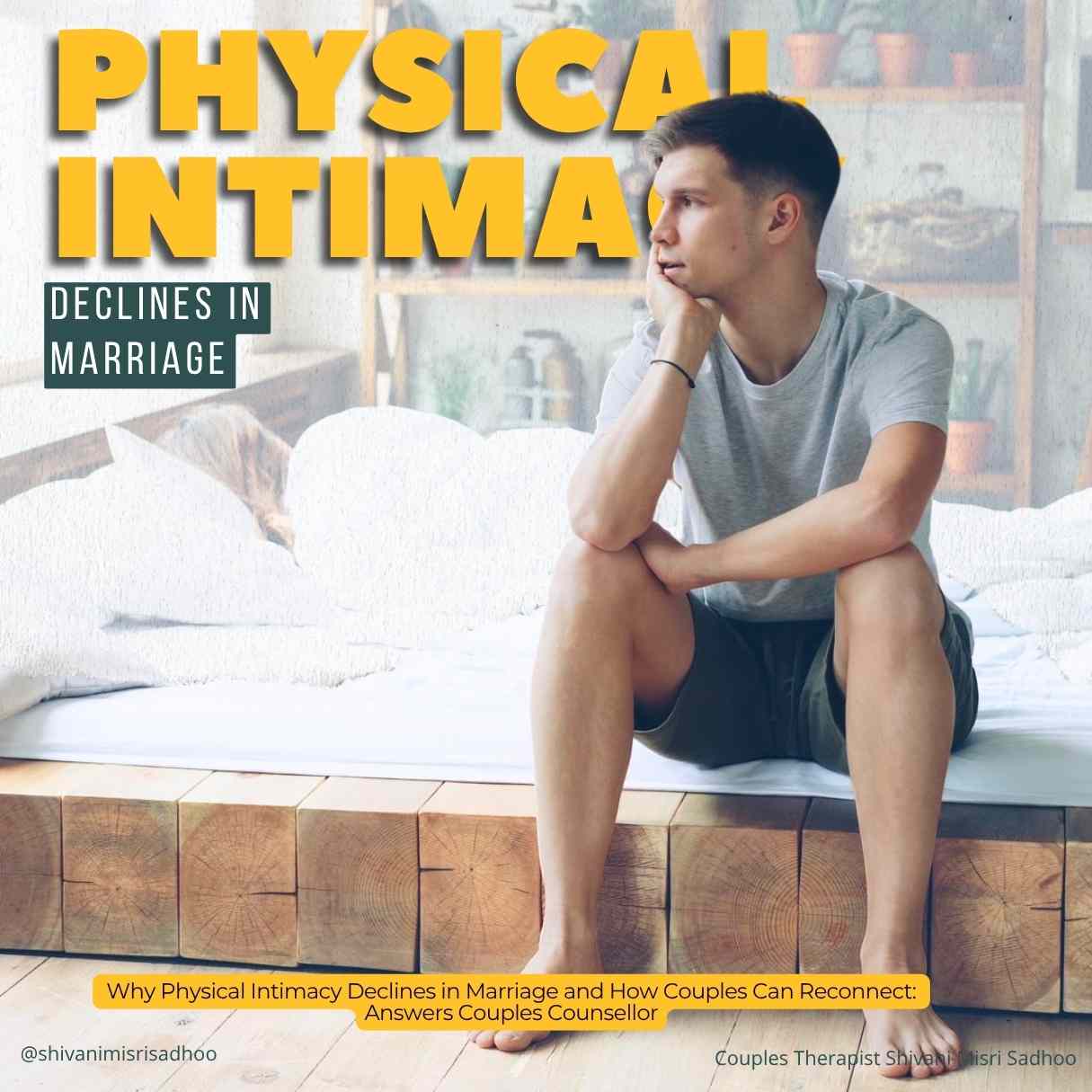
Why Physical Intimacy Declines in Marriage and How Couples Can Reconnect: Answers Couples Counselor

Direct Answer Summary
  • Physical intimacy may decline because of stress, unresolved conflicts, emotional distance, changing responsibilities, health concerns, or differences in sexual desire.
  • Rebuilding closeness begins with honest communication, emotional connection, mutual affection, and respect for each partner’s boundaries.
  • Couples counselling can help partners understand underlying difficulties and develop healthier ways to reconnect without pressure or blame.

Physical intimacy can change significantly over the course of a marriage. Couples who once enjoyed spontaneous affection may gradually find themselves sharing fewer hugs, kisses, and intimate moments. Work commitments, parenting responsibilities, household pressures, and unresolved disagreements can leave little time or emotional energy for each other.

A decline in physical intimacy does not automatically mean that love has disappeared or that a marriage is failing. However, when one partner feels rejected and the other feels pressured, the growing distance can become a source of frustration and loneliness. Understanding what has changed is an important first step towards rebuilding connection, shares Shivani Misri Sadhoo, a marriage counselor in Delhi.

Why Does Physical Intimacy Decline in Marriage?

Physical intimacy is influenced by emotional, psychological, relational, and physical factors. Long-term stress can reduce opportunities for connection, while unresolved disagreements may make partners less comfortable expressing affection.

Changes in sexual desire are also normal across different stages of life. Pregnancy, childbirth, ageing, hormonal changes, certain medications, chronic health conditions, and fatigue may influence interest in physical intimacy.
Sometimes, the difficulty is not a lack of attraction but a lack of privacy, time, emotional safety, or opportunities to relax together. When couples understand these possibilities, they can approach the situation with curiosity rather than immediately blaming themselves or their partners.

“Physical intimacy grows when partners feel emotionally safe, genuinely heard, and free to express affection without pressure.” Says Shivani Misri Sadhoo who is Gottman Certified Couples Therapist in Delhi.

Can Emotional Distance Affect Physical Intimacy?

Yes. Emotional and physical intimacy are connected, although they do not always change in the same way.

When partners feel unheard, criticised, neglected, or misunderstood, they may become less comfortable with physical affection. Repeated arguments, broken trust, resentment, or a lack of meaningful conversation can gradually weaken the sense of closeness that supports intimacy.

For some couples, emotional connection needs attention before physical closeness can return. Listening without interrupting, acknowledging each other’s feelings, and addressing unresolved disagreements can help create a more supportive relationship.

How Can Couples Talk About a Decline in Intimacy Without Fighting?

Conversations about intimacy can feel vulnerable, particularly when partners have different expectations or levels of desire. One person may interpret reduced intimacy as rejection, while the other may feel that every affectionate gesture carries an expectation of sex.
Instead of assigning blame, couples can discuss their experiences using calm, personal statements. For example, saying, “I miss feeling close to you, and I want us to understand what has changed,” can encourage discussion more effectively than accusations.

Both partners should have the opportunity to express their needs, concerns, and boundaries. The goal is not to determine who is responsible but to understand each other’s experiences and identify changes that feel comfortable for both.

What Can Couples Do to Rebuild Physical Closeness?

Reconnecting often begins with small, consistent gestures rather than dramatic changes. Couples can set aside time to talk without distractions, share activities they enjoy, hold hands, exchange hugs, or spend time together without focusing on household responsibilities.

Affection should not become an obligation or a promise that it will lead to sexual activity. When partners feel free to express affection without pressure, physical closeness may become more comfortable and natural.

It can also help to discuss what each partner finds meaningful, whether that involves affectionate touch, quality time, romantic gestures, or sexual intimacy. There is no universal schedule or frequency that every married couple must follow. What matters is finding an arrangement that respects both partners’ needs and preferences.

When Should Couples Consider Professional Counselling?

Couples counselling may be helpful when conversations repeatedly turn into arguments, emotional distance continues to grow, or differences in sexual desire cause persistent distress. It can also support partners who are navigating changes after childbirth, health challenges, infidelity, or major life transitions.

A couples counselor can help identify unhelpful communication patterns, explore emotional concerns, and support partners in expressing their needs more clearly. Counselling does not require both partners to have identical expectations; it provides a structured space to understand their differences and work towards mutually acceptable solutions.

If physical intimacy has changed alongside pain, persistent sexual difficulties, or other health symptoms, medical advice may also be appropriate. Emotional and medical factors can coexist, so addressing both may be necessary.

A decline in physical intimacy does not have a single explanation, and it should not automatically be treated as proof that a marriage has lost its connection. Stress, health changes, emotional distance, unresolved conflict, and differences in desire can all influence how partners experience closeness.

Reconnection begins by understanding what each partner is experiencing, communicating without blame, and rebuilding affection at a pace that feels comfortable for both. When these conversations become difficult to manage alone, couples counselling can offer guidance and a constructive path forward.

Frequently Asked Questions on Why Physical Intimacy Declines in Marriage and How Couples Can Reconnect

Does a decline in physical intimacy mean love has disappeared or our marriage is failing?

Direct Counselor Answer: No. A decline in physical intimacy does not automatically mean that love has disappeared or that a marriage is failing.

Physical intimacy changes significantly over the course of any long-term marriage. Couples who once enjoyed spontaneous affection may gradually find themselves sharing fewer hugs, kisses, and intimate moments due to work fatigue, parenting burdens, domestic stress, or biological changes.

A shift in physical closeness is often a reflection of emotional overload, fatigue, or communication gaps rather than a loss of affection. When one partner interprets the lull as rejection and the other feels pressured, anxiety compounds the distance.

Viewing the decline with curiosity instead of panic allows couples to explore what life demands or emotional barriers need attention, rather than prematurely concluding that the relationship is over.

Clinical Perspective: In couples counseling, a drop in physical frequency is viewed as a relational barometer—a symptom of stress, boundary strain, or emotional weariness, not a lack of innate love.

Actionable Steps for Couples

  • Shift from blame to curiosity: ask ‘What pressures are draining our energy right now?’
  • Reassure each other verbally of your love and commitment even when touch is paused.
  • Recognize that life stages (career peaks, newborn phases, menopause) naturally alter physical rhythms.

How does emotional distance contribute to the decline of physical intimacy?

Direct Counselor Answer: Emotional and physical intimacy are deeply connected. When partners feel unheard, criticized, or neglected, they become guarded, making physical vulnerability difficult.

For many partners, emotional safety is the prerequisite for physical desire. When conversations turn critical, conflicts remain unresolved, or one partner feels emotionally neglected, the nervous system enters self-defense.

Repeated arguments, broken trust, resentment, or a lack of meaningful day-to-day conversation gradually erode the sense of emotional closeness that fuels genuine physical attraction.

Before physical touch can feel natural again, the emotional bridge must be rebuilt. Listening without interrupting, validating feelings, and repairing past hurts creates the safe space needed for affection to return.

“When partners feel unheard, criticised, neglected, or misunderstood, they may become less comfortable with physical affection.”

Clinical Perspective: As Gottman Certified Couples Therapist Shivani Misri Sadhoo explains: ‘Physical intimacy grows when partners feel emotionally safe, genuinely heard, and free to express affection without pressure.’

Actionable Steps for Couples

  • Practice active listening without jumping to defend yourself or offer immediate fixes.
  • Address lingering resentments before initiating physical touch.
  • Spend 10 to 15 minutes daily talking about life, dreams, and feelings without discussing domestic chores.

How can couples discuss declining intimacy without arguing, blaming, or feeling defensive?

Direct Counselor Answer: Avoid accusatory ‘you’ statements and lead with gentle, vulnerable personal feelings like: ‘I miss feeling close to you, and I want us to understand what has changed.’

Conversations about intimacy feel exceptionally vulnerable because one partner often fears rejection, while the other partner fears inadequacy or pressure.

When discussions begin with complaints (e.g., ‘You never want to touch me’), defensive walls immediately shoot up. Instead, framing the conversation around shared closeness removes blame.

Both partners must have a secure platform to express their boundaries, physical sensations, and emotional needs. The goal is not to decide who is ‘at fault’ or who needs to change, but to understand each other’s emotional universe.

Clinical Perspective: Effective communication treats the intimacy gap as a shared puzzle to solve together, rather than a courtroom trial with an accuser and a defendant.

Actionable Steps for Couples

  • Use the counselor-recommended phrase: ‘I miss feeling close to you, and I want us to understand what has changed.’
  • Pick a neutral, calm moment when neither partner is tired, stressed, or rushing out the door.
  • Acknowledge the other partner’s feelings: ‘I understand you are overwhelmed with work, and I want to support you.’

What practical steps can couples take to rebuild physical closeness without pressure?

Direct Counselor Answer: Reconnection begins with small, consistent, low-pressure gestures—holding hands, hugging, and cuddling—with affection explicitly decoupled from sexual expectations.

When physical intimacy has stalled, every touch can feel fraught if one partner worries that a hug or kiss is an automatic prelude or demand for physical intmacy.

To rebuild comfort, couples must decouple affectionate touch from sexual expectations. When touch is free from obligation, both partners can relax their nervous systems and enjoy physical warmth.

Small gestures like holding hands while watching a show, a sincere 20-second hug before leaving for work, or massaging tired shoulders without expectation lay the groundwork for intimacy to blossom organically.

Clinical Perspective: Affection must never become an obligation or a transactional demand. Physical safety and spontaneity return when touch is purely an expression of care.

Actionable Steps for Couples

  • Agree on ‘pressure-free touch days’ dedicated solely to hugs, hand-holding, and cuddles.
  • Spend uninterrupted quality time together away from smartphones, laptops, and household chores.
  • Discuss what types of touch feel soothing versus demanding to your partner.

When should a couple seek professional counseling or medical advice for intimacy difficulties?

Direct Counselor Answer: Seek couples counseling when talks repeatedly derail into arguments, emotional distance continues to widen, or desire gaps cause chronic distress; seek medical care if pain or physical symptoms exist.

Couples counseling is particularly valuable when repeated conversations get stuck in circular blame, when desire discrepancies create profound resentment, or after major life shifts such as childbirth, grief, illness, or infidelity.

A trained therapist provides a neutral, structured environment to identify unhelpful communication patterns, dismantle the ‘pursuer-distancer’ cycle, and help partners voice delicate needs without fear.

Additionally, if intimacy issues are accompanied by physical pain, hormonal changes (such as postpartum recovery or menopause), pelvic discomfort, or medication side effects, a medical doctor or specialist should be consulted alongside emotional counseling.

Clinical Perspective: Emotional and physiological factors frequently coexist. Addressing both relational safety with a counselor and physical health with a physician provides holistic recovery.

Actionable Steps for Couples

  • Look for certified couples counselors (e.g., Gottman Method, Emotionally Focused Therapy).
  • Do not wait until resentment is toxic; early counseling prevents years of emotional withdrawal.
  • Schedule a routine medical check-up to rule out thyroid imbalances, hormonal fluctuations, or medication-induced libido changes.
best couples therapist in delhi_shivani misri sadhoo

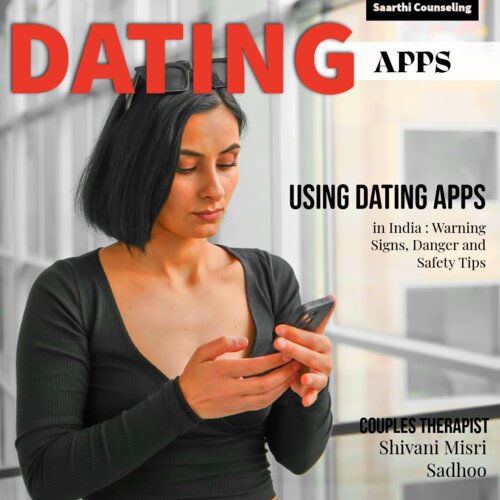
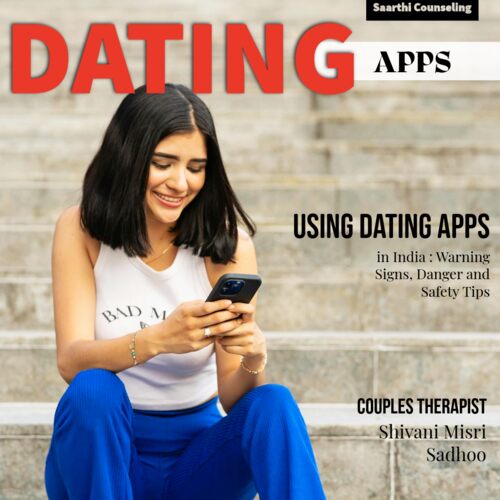
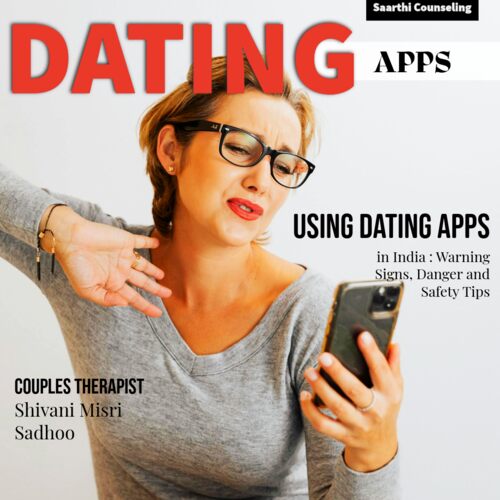
Using Dating Apps in India: Warning Signs, Dangers, and Safety Tips

Dating apps have changed how people in India meet and form relationships. What was once considered taboo is now widely accepted, especially among urban youth and working professionals. Apps like Tinder, Bumble, Hinge, and several Indian platforms promise convenience, choice, and compatibility.

However, along with opportunities for genuine connections, dating apps also carry serious risks. Being aware of common warning signs, potential dangers, and essential safety practices is crucial for anyone navigating online dating in India, says Shivani Misri Sadhoo who is an experienced couples and relationship counselor in Delhi, India.

shivani misri sadhoo_delhi's top couples and relationship therapist

Why Are Dating Apps in Demand in India?

Dating apps are growing rapidly in India due to changing social dynamics and digital accessibility. Young adults today value independence and prefer choosing their partners based on shared interests and personal compatibility rather than traditional matchmaking systems.

Another key factor is lifestyle change. Long working hours, remote jobs, and migration to new cities make it difficult to meet people organically. Dating apps provide a fast and convenient way to connect without relying on social circles.

Increased smartphone usage and affordable internet have also played a major role. Dating apps are no longer limited to metro cities; users from tier-2 and tier-3 cities are actively joining these platforms.

Lastly, dating apps offer flexibility and control. Users can decide whom to talk to, what information to share, and when to disengage, making online dating appealing to people who prefer privacy and autonomy.

shivani misri sadhoo_india's best relationship counselor

Warning Signs and Dangers of Using Dating Apps in India

India’s leading couples therapist and relationship counsellor Shivani Misri Sadhoo, asks to watch out for these warning signs:

Fake Profiles and Catfishing

One of the most common risks on dating apps is encountering fake profiles. Scammers often use stolen or heavily edited photos and fabricate personal details to appear trustworthy. Over time, they build emotional connections and eventually ask for money, favors, or sensitive information.

Financial Fraud and Romance Scams

Financial scams are a serious issue in India. Fraudsters may pretend to be business professionals, army officers, or NRIs and lure users into fake investments or emergency money requests. Once emotional trust is built, victims often ignore red flags and suffer significant financial losses.

Emotional Manipulation and Harassment

Some users engage in emotional abuse through gaslighting, guilt-tripping, or pressuring matches for intimacy. Persistent messaging, controlling behavior, or pushing for explicit content are major warning signs. In extreme cases, private chats or photos may be used for blackmail or threats.

Physical Safety Risks

Meeting strangers offline carries real physical dangers. There have been reports of assault, stalking, extortion, and coercion after in-person meetings arranged via dating apps. Since most platforms do not conduct detailed background checks, users often have limited knowledge of a person’s true identity or intentions.

Privacy and Data Misuse

Sharing personal details too early can lead to privacy violations. Phone numbers, addresses, workplace information, or social media accounts can be misused for identity theft, cyberstalking, or long-term harassment.

shivani misri sadhoo_india's best couples and relationship counselor

Safety Tips for Using Dating Apps in India

Some of the best tips to follow for safety while using dating apps are:

Verify Profiles Carefully

Check for consistency in profile photos, bios, and conversation details. Profiles with very limited information or overly perfect images should be treated cautiously. Reverse image searches can help identify stolen pictures.

Never Share Financial or Sensitive Information

Avoid sharing bank details, OTPs, Aadhaar numbers, home addresses, or personal documents. No genuine match will ask for money or confidential information, especially in the early stages.

Use In-App Messaging

Stick to the app’s chat feature initially instead of shifting immediately to WhatsApp or Telegram. Dating apps provide reporting, blocking, and moderation tools that offer an extra layer of protection.

Meet Only in Public Places

For first meetings, choose well-lit, public locations such as cafés, restaurants, or malls. Inform a trusted friend or family member about your plans and avoid isolated or late-night meetups.

Trust Your Instincts

If someone rushes intimacy, avoids video calls, gives inconsistent stories, or makes you uncomfortable, disengage immediately. You do not owe politeness at the cost of your safety.

Stay Informed and Update Privacy Settings

Regularly review app privacy settings and stay aware of common online dating scams in India. Knowledge and awareness are your strongest defenses against misuse.

Dating apps can be a powerful tool for meeting new people, but they require caution and awareness. By understanding common dangers, recognizing warning signs, and following practical safety tips, users can enjoy online dating while protecting their emotional, financial, and physical well-being.

Smart decisions and strong boundaries are the key to safe and meaningful connections in the digital dating world.

Check out popular blog post on Dating Apps

delhi's best marriage couselor_shivani misri sadhoo

Arranged Marriage: Relationship Expert Advice for Effective Talking to Fiancé

Arranged marriages have been a cornerstone of Indian culture for generations. Unlike love marriages, where partners choose each other independently, arranged marriages involve the active role of families in finding a suitable match. While this process ensures compatibility in terms of background, values, and lifestyle, the task of building a personal connection lies entirely with the couple.

For many, the initial phase of an arranged marriage can be daunting, especially when navigating conversations with someone who is practically a stranger but soon to become a life partner. Effective communication is key to bridging this gap and fostering a bond. Here’s a guide to help you communicate effectively with your fiancé, with a special focus on the Indian context as explained by India’s top couples therapist and marriage counselor Shivani Misri Sadhoo.

What Is an Arranged Marriage?

An arranged marriage is a union where families take the lead in identifying a potential partner for their child. In India, this practice is deeply rooted in tradition and cultural values. Families often consider factors such as caste, religion, social status, education, and family reputation before proposing a match.

However, modern arranged marriages have evolved significantly. Today, individuals play a more active role in the decision-making process, with families encouraging them to interact and assess compatibility before committing. This blend of traditional values and personal choice creates a unique dynamic in arranged marriages, emphasizing the importance of communication.

delhi's top couples therapist_shivani misri sadhoo

Tips for Talking to Your Fiancé in the Indian Context

1. Understand the Role of Family Dynamics

In Indian arranged marriages, families are often closely involved in the couple’s lives. When speaking with your fiancé, discuss their family structure, traditions, and expectations. Questions like:

“What role do your parents and siblings play in important decisions?”

“How do you envision balancing family responsibilities after marriage?”
can help you gauge their perspective and align your expectations.

2. Discuss Cultural Values and Beliefs

Cultural values play a significant role in Indian marriages. Whether it’s about religious practices, festivals, or food preferences, understanding these aspects can strengthen your bond. Ask questions like:

“What traditions do you celebrate with your family?”

“Are there any cultural practices you feel strongly about?”

3. Address Lifestyle Compatibility

In the Indian context, lifestyle compatibility often extends beyond individual preferences to family expectations. Topics like living arrangements (joint family or nuclear family) and work-life balance are crucial. For example:

“Do you prefer living in a joint family or having a separate setup?”

“How do you manage your work and personal commitments?”

4. Be Mindful of Sensitive Topics

While sensitive topics such as finances, children, or career aspirations are universal in marriage discussions, their implications in India are often influenced by cultural norms. When broaching these subjects, be tactful and respectful. For instance:

Instead of directly asking, “How much do you earn?” Try, “What are your thoughts on financial planning as a couple?”

5. Explore Personal Preferences and Interests

To build rapport, delve into their interests and passions. This not only makes conversations more engaging but also reveals their personality. Ask about:

Hobbies, such as reading, traveling, or sports.

Favorite cuisines or movies.

Showing genuine interest in their likes and dislikes can help build an emotional connection.

6. Clarify Future Goals

In Indian arranged marriages, long-term goals are often intertwined with family priorities. Discuss topics like:

Career aspirations and their alignment with family expectations.

Plans for relocating, especially if one partner may need to move cities or countries.

7. Be Honest About Your Expectations

Transparency is critical. Share your expectations regarding independence, personal space, and your role in the family. For instance:

8. Respect Regional and Cultural Differences

India’s diversity means that even within arranged marriages, couples might come from different states, communities, or linguistic backgrounds. Learning about your fiancé’s regional customs can demonstrate respect and effort toward understanding their roots.

Building a Bridge Between Tradition and Modernity

In the Indian context, arranged marriages are not just about two individuals but a union of families. However, the success of this bond depends on how well the couple communicates and understands each other.

By addressing crucial topics like family values, lifestyle choices, and future goals, while also taking the time to know each other personally, you can create a relationship that blends tradition with modern understanding.

Remember, patience, empathy, and openness are the keys to turning an arranged match into a meaningful partnership.

relationship updates posting in social media

Don’t Post These Relationship Facts on Social Media, Suggest Relationship Expert

Gone are the days when we celebrated milestones privately with friends and family. Social media has transformed how we connect, and now a simple post or story often replaces intimate gatherings. While social media offers a convenient way to share our lives, it can blur the lines between what should remain private and what we choose to make public.

What things should you not post about your relationship on social media?

Relationship expert and Delhi’s leading marriage counselor Shivani Misri Sadhoo, warns against oversharing, as it can sometimes harm the very relationships we’re trying to celebrate. Here are six things you should avoid sharing about your relationship online:

best marriage counselor in delhi_shivani misri sadhoo

Avoid Seeking External Validation

Your relationship doesn’t need public approval to be meaningful. Constantly posting about it for likes or comments can add unnecessary pressure and reflect insecurity. Healthy relationships thrive privately without the need for a social media audience. Sharing too much can force emotions to grow based on external validation rather than letting love develop naturally between you two.

Get Your Partner’s Consent

Sharing photos or personal details about your partner without their approval can invade their privacy. Just because you’re in a relationship doesn’t mean you can share everything publicly. Always ask for your partner’s consent before tagging them in posts or sharing pictures. Respecting their comfort level is crucial to building trust and ensuring they feel valued. By doing so, you also strengthen your bond by showing that their opinions matter.

Don’t Post About Conflicts

Every relationship has disagreements, but venting about arguments on social media is a bad idea. Sharing conflicts publicly can hurt your partner and lead others to form negative opinions about your relationship. Online advice from friends, though well-meaning, may also cause more harm than good. Instead, resolve issues privately with your partner. Posting in moments of anger can lead to regret and long-term damage to the relationship.

Don’t Brag About Gifts

While it’s exciting to receive gifts, constantly posting them on social media can come across as bragging. Your partner might prefer to keep these moments private and may feel uncomfortable with the attention. Plus, trying to make your relationship appear more extravagant than it is can create pressure and unrealistic expectations. Instead of sharing every gift online, cherish these moments together without seeking validation from others.

Limit Frequent Status Updates

Constantly updating your relationship status online—whether it’s changing from single to in a relationship or making it “complicated”—can create unnecessary pressure. While it may feel gratifying at the moment, these updates often reflect instability and invite unwanted opinions from others. Focus on nurturing your relationship privately rather than publicly broadcasting each shift in your love life. What truly matters is the bond you share, not how others perceive it.

Don’t Post About Your Breakup

Breakups are hard enough without adding the complexity of social media. Posting about a breakup can lead to endless questions and amplify your feelings of sadness. Not everyone will respond positively, and you may regret sharing such a personal event. Instead, focus on healing privately and avoid publicizing the details of your breakup.

Let your relationship thrive away from the public eye. Avoid seeking external validation, sharing conflicts, or posting frequent updates. Respect your partner’s privacy and cherish special moments privately. Remember, the strength of your relationship lies in the bond you share, not in how it appears on social media.

Things Happily Married Couples Do Before Going To Sleep

Marriage is a lifelong commitment. Sometimes remaining happy in a relationship can be tricky but with a trust that has developed over the years remaining happy is not that difficult at all. After all love, trust and compatibility play a big role in being happy as a couple.

Though there are no secrets or formulas for remaining happily married there are certain things that can ensure a merry time for the couples. And definitely some habits before going to sleep are some of those.

In this article, Delhi’s Best Marriage Counselor, Relationship Expert, and Shivani Misri Sadhoo shares things happily married couples do before going to sleep.

They Go To Bed At The Same Time

Keep in mind that, a couple that sleeps together remains together. Thanks to your busy schedules, you hardly get time to spend with each other. In fact, a few couples, who have a different working schedule, may even go to bed at different times. However, it is important for couples to go to sleep at the same time, which helps them to keep intact the warmth and intimacy in their relationship.

They Do Not Attend To Phone Calls Or Texts

Smartphones are both a blessing and a curse in your life. Your overdependency on your phones, particularly social media, can affect your lives and those around you. This is the reason why several couples who enjoy a happy marital life, keep their phone on silent or attend to calls only when it is a real urgency after they go to bed.

They Do Not Bring Their Work To The Bedroom

If you are somebody who continuously thinks about office work on your laptop or phone even minutes while going to bed, you need to alter this habit as quickly as you can. People who think about work past bedtime is less possible to have a happily married life.

They Do Not Go To Bed Angry

This is one trait that happily married couples are seen doing. They seldom go to bed angry. Even if they had a fight or an argument, they make it sure to resolve it. Harboring negative emotions while going to sleep not only impacts your health but also affects your peace of mind in a negative manner.

Keeps Their Bedroom Clutter And Gadget Free

The bedroom is the only place where a couple gets the chance to spend time with each other without any disturbances. This is the sole reason why married couples keep their bedroom clutter and gadget-free ends up spending some quality time in each other’s company.

Things You Should Know About The Post-Marriage Depression

You have all given your entire energy into the wedding for days and months, and you have gone through the complete process of hiring, buying, and returning everything possible. Now, you are beginning to feel blues. Is post-marriage depression a reality, or is it all in your mind?

The reality is: 1 in 10 brides reports feeling post-marriage depression, and it is likely this number is often under-reported most of the time. You are not alone, and brides, in particular, tend to suffer from it, though grooms can also feel a bit of this.

Here is what you need to know about post-marriage depression according to Delhi’s Top Psychologist, and Marriage Counselor Shivani Misri Sadhoo.

What Causes Post-Marriage Depression

Like any kind of depression, it is difficult to know exactly what causes post-marriage depression. 1 factor appears to be the difference between brides who perceived the wedding as their big goal and those who thought about the wedding as the beginning of a new chapter in life. If you have been preparing for the marriage like some would cheer on like during the run in a favorite sport, it is no surprise you are feeling blue.

Another reason can be the events linked with the wedding. If you are planning a honeymoon, you might be stressed out about it. If you have already done it, the disappointment of getting back to your own home and normal life again could be daunting. Perhaps you and your new partner are now living together for the first time. Depression can definitely result from the changed living conditions, even when you are happy living with your new spouse.

How Can You Prevent Post-Marriage Depression?

If you have not yet held your wedding, it is smart to be searching ahead to what you can expect to post the wedding, good for you. There are lots of things you can do to assist prevent post-marriage depression, though there are no sureties.

First, stay grounded as you plan your marriage. Bear in mind to keep looking past the wedding to your future schedules and the daily things that matter to you, rather than wasting all your energy into the wedding every day. This entire focus will leave a gap after the wedding, so avoid being completely engrossed by the process.

During the wedding and after it, remember that your moment could be here, but you will not remain the center of attraction. Though you can enjoy it, try not to get accustomed to it. Highlight those near you and their efforts and achievements. Sometimes, that can feel better than being the center of attraction.

Lastly, try to share the burden. Not only will this stop you from being totally absorbed in the wedding or from being the center of attraction, but it will ensure you do not reach a zone that alienates friends and family. These people around you will be your critical support post the wedding, as well.

How To Alleviate Post-Marriage Depression?

If you see yourself missing the frenzy of planning and excitement, or feeling blue without actually knowing why you can still recover from post-marriage depression all by yourself. The most necessary step to take is to seek out a therapist if the depression carries on or if you feel like you need to see a specialist you are not the first to suffer from post-marriage depression, nor you will be the last.

You can initially try to shift the planning and creativity-based tasks to something else. Marriage involves a huge amount of both, and this needs both left-brain and right-brain types. You can plan your career or take up a new activity. Learn to dance, take a course in learning a language or simply help some other person.

Have you ever thought about up a new hobby? You might have to drop hobbies in order to make time for the marriage, so this is the perfect time to pick them back up. Never give in when the temptation to spend the extra time watching TV programs. It will only add to the depression. Rather, get involved in something. You can join social work, take up a sports activity, or start exercising daily. In fact, exercise and yoga are some of the best remedies for depression.

How To Set Goals To Recover From Post-Marriage Depression?

Suppose there are no underlying biological or medical causes for your depression, you might be able to treat it by merely shifting your focus and your goals. Rather than planning for a wedding, take a look at the stuff you have always wanted to do. Those things that keep you awake at night. The things that force you daydream about how you could ever possibly achieve them.

Whatever that dream is that you forgot about in the hours of planning the marriage, bring it into the forefront of your mind again and start planning.

Plan meticulously. Do not simply idly think about it time and again. Make a deadline that forces you to get creative as your wedding did. Use checklists and diaries, tell all your friends about the deadlines, make small steps, and recruit your loved one’s help.

There’s no reason why you should have to suffer from post-marriage depression. If the depression continues, talk to a specialist, and remember to confide in your partner, friends, and family. Your support system is always the finest of you, and they can be a source of comfort and joy as you divert your focus from the wedding to your new life ahead.