Tag Archive : marriage counselling near me

Parallel Life Syndrome Living Together Feeling Single - Relationship Counselling

Parallel Life Syndrome: Living Together but Feeling Single

Key Summary
  • Emotional drift despite physical closeness: Parallel Life Syndrome occurs when couples live together but lose emotional connection, functioning more like roommates than partners.
  • Root causes are subtle and cumulative: Avoiding conflict, stress, attachment differences, and taking love for granted gradually creates distance without obvious warning signs.
  • Connection can be rebuilt intentionally: Open communication, vulnerability, shared quality time, and appreciation are simple yet powerful ways to restore intimacy and togetherness.

Life does not always unfold the way we imagine. When you are in love, you want to hold on to every passing second with your partner. Even the smallest things begin to matter. A delayed reply can feel heavy, a missed call can linger in your mind, and a slight change in tone can quietly disturb your peace. You start noticing the silences between moments just as much as the moments themselves. Over time, however, something subtle begins to shift.

Parallel Life Syndrome Living Together Feeling Single Relationship Counselling

The intensity softens, the butterflies lose their urgency, and what once felt electric settles into something calmer, more predictable. This transition towards comfort is not inherently unfortunate. Stability has its own quiet charm. Yet, when that comfort turns into a habit, and that habit begins to replace emotional closeness, something important starts to slip away.

Partners may still share the same space, the same routines, even the same bed, but emotionally they drift apart. This peculiar state of togetherness without true connection is often described as Parallel Life Syndrome. Let’s find out more about this syndrome from Shivani Misri Sadhoo, who is an experienced relationship and couples therapist in Delhi.

What is Parallel Life Syndrome?

It is a relationship where two people live alongside each other but no longer truly connect. They live under the same roof, share the same bed, but each in their own mental world. There is no ‘we’ moment here. Yet their lives have quietly drifted apart. Daily routines rarely overlap, conversations feel minimal or absent, and emotional closeness fades into the background. Over time, they begin to function more like roommates than partners, moving through the same space without really sharing a life.

Parallel Life Syndrome Living Together Feeling Single Relationship Counselling

Avoiding Emotion and Conflict

One of the most common causes of parallel life syndrome is the fact that couples avoid their emotions and difficult conversations. They choose silence over possible conflict. So, they prefer to scroll on their phones to escape honest conversation, which might lead to complicated conflicts. However, over time, those unspoken words begin to build a wall between two people, creating a distance. What starts as protecting the relationship slowly turns into emotional disconnection, where both partners share space but lack real connection.

Too Much Stress

Sometimes the work pressure feels too heavy to handle. Couples feel mentally exhausted after a long day at work. All they want to do is go back home and rest. Thus, instead of sharing a few happy moments together, they prefer not to discuss or share anything with each other. This naturally causes the partners to drift away from each other. They simply live in the same house, under the same roof, but they remain disconnected emotionally. Over time, this unspoken distance grows, creating a parallel life where intimacy fades, and companionship feels more like coexistence.

Influence of Attachment Style

Attachment style often shapes how distance quietly grows between two people. One partner may withdraw without meaning harm. They simply need space. The other feels it as rejection. So, they stop trying. Conversations shrink. Days become routines. Work stress adds to it. Late nights and tired minds leave no room for repair. Small gaps turn into habits. Over time, both adjust to the silence. They function side by side, not together. That is how a shared life slowly becomes two parallel ones over the years.

Parallel Life Syndrome Living Together Feeling Single Relationship Counselling

Love Taken for Granted

Sometimes people take their relationship for granted. You feel everything is alright, so you can focus on your work, social obligations, and put your romance on the back burner, thinking your partner will understand. But this is where it slowly drifts. You stop checking in. You stop noticing small changes. Conversations become routine. Days run parallel, not shared. Over time, both of you build separate worlds. This quiet distance grows. That is how parallel life syndrome begins, without noise, without warning, just silence in between spaces.

What Can You Do?

Once you have understood the causes, the next step is to find remedies, tips to handle the parallel life syndrome.

Open your heart

What we show is often just a layer we learned to survive with. When we choose vulnerability, we slowly drop that shield and allow real connection. Parallel life syndrome thrives when we keep parts of ourselves hidden and separate. Being open breaks that pattern. It brings our inner and outer worlds closer together. People respond to honesty. We feel seen and understood. That reduces the need to live divided. It feels lighter and more whole inside. It helps us stop pretending and start living honestly.

Spend Quality Time with Each Other

It is not always about grand plans or perfect dates; saving small things to do together can quietly bring two people back from living parallel lives. When time is a constraint, these shared moments become extra special. It could be a simple evening stroll at the park, a late-night coffee date, a simple meal at home, or even reading a book together. They rebuild connections. They remind you why you chose each other, even in the rush of everyday life, which gently restores lost closeness.

Communication Matters

Communication is and will always be the cornerstone of a strong relationship. This is what brings two people back when they start living side by side but not together. It gives the couple a golden opportunity to listen to each other and clarify doubts. Candid conversations help couples discuss their problems openly.

Art of Appreciation

Gratitude reminds us to notice the little things partners do every day. When we say “thank you,” even for small efforts, it shows that we care about each other’s feelings. It wipes away the distance that grows in parallel lives. It brings back a sense of closeness. We start feeling the connection once again.

It is indeed sad how, without even realising it, two people start living side by side but feel miles apart. It happens in silence, through routine and missed conversations. But small, genuine efforts like talking openly, spending time together, and appreciating each other can slowly bring back the warmth and connection that once felt natural.

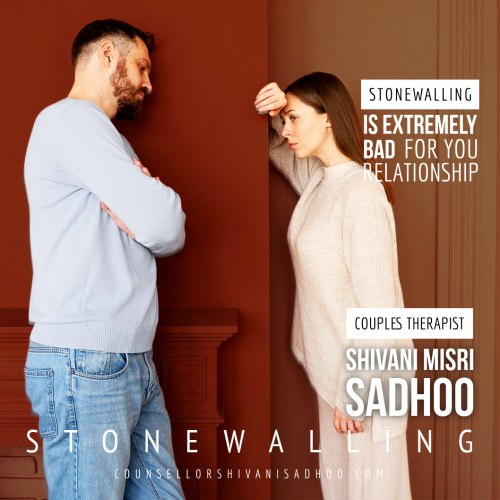
Stonewalling in relationship and marriage advice by Shivani Misri Sadhoo

Why Stonewalling is Extremely Bad for Your Relationship?

Healthy relationships thrive on communication, understanding, and emotional connection. When partners face conflicts, the way they respond can either strengthen their bond or gradually erode it. One destructive behavior that silently undermines relationships is stonewalling. Though it may seem like a harmless way to avoid confrontation, stonewalling can have long-term emotional consequences and create a toxic cycle between partners, says India’s top couples and marriage counsellor Shivani Misri Sadhoo in this article.

what is Stonewalling in marriage answers Shivani Misri Sadhoo

What is Stonewalling in relationships and marriages?

Stonewalling occurs when one partner withdraws from communication, shuts down emotionally, or refuses to engage in resolving issues. Instead of discussing problems or expressing feelings, the stonewalling partner may give the silent treatment, avoid eye contact, or physically leave the room. It is often a defence mechanism against stress, criticism, or emotional discomfort.

However, while it may provide temporary relief for the person stonewalling, it leaves the other partner feeling ignored, rejected, and emotionally abandoned. Shivani Misri Sadhoo, a leading relationship expert, certified DBT & CBT therapist and one of the top marriage counsellors in Delhi and India, says there are many factors, these are:

Why is Stonewalling Detrimental?

Breaks Emotional Connection
Relationships rely on emotional intimacy and mutual support. When one partner consistently stonewalls, it creates a barrier between them and their partner. Over time, the partner on the receiving end may feel unloved or unimportant, which erodes trust and intimacy. Emotional disconnection often leads to feelings of isolation, resentment, and frustration.

Prevents Conflict Resolution
Conflict is inevitable in any relationship, but healthy disagreements help partners understand each other better and find solutions. Stonewalling interrupts this process entirely. When one partner refuses to communicate, problems remain unresolved, often escalating tension. This unresolved conflict can fester and eventually create a hostile or distant environment.

Triggers a Negative Cycle
Stonewalling rarely exists in isolation. It can trigger what psychologists call the “demand-withdraw pattern”, where one partner pressures for communication while the other withdraws. This cycle can intensify arguments and create a repeating loop of frustration, blame, and emotional withdrawal. Over time, it can be difficult to break this pattern without conscious effort and counseling.

what is Stonewalling in marriage answers Shivani Misri Sadhoo

Impacts Mental Health
Being on the receiving end of stonewalling can have serious psychological effects. It can lead to anxiety, depression, low self-esteem, and feelings of helplessness. The partner may constantly question their worth or blame themselves for the silence, creating emotional strain that spills over into other areas of life.

Erodes Trust and Security
A relationship’s foundation is built on trust and the assurance that both partners are willing to support and listen to each other. Stonewalling breaks this foundation. When a partner repeatedly shuts down, it signals avoidance rather than a willingness to work through issues. This lack of reliability can make the relationship feel unsafe and unpredictable.

Stonewalling may feel like an easy escape from a difficult conversation, but it is a destructive habit that weakens emotional bonds and prevents resolution. Couples must recognize this behavior early and work on healthier communication strategies, such as expressing feelings openly, practicing empathy, and taking breaks when emotions run high rather than shutting down entirely. By addressing stonewalling proactively, couples can maintain emotional intimacy, strengthen trust, and create a supportive environment where both partners feel heard and valued.

delhi's top marriage counselor_shivani misri sadhoo

How to Ask for and Get What You Need in a Relationship

Communication is the cornerstone of any healthy relationship. Yet, expressing your needs and desires can sometimes feel daunting or uncomfortable. Whether you’re seeking more affection, support, or understanding, learning how to ask for and get what you need in a relationship is crucial for its growth and longevity. Here are some effective strategies to help you navigate this process as shared by Delhi’s leading couples therapist and relationship counselor Shivani Misri Sadhoo in this blog.

India's best marriage counselor_shivani misri sadhoo

In what ways could you ask and get what you need in your relationship?

Reflect on Your Needs: Before initiating a conversation with your partner, take some time to reflect on your needs and desires. What are you seeking from the relationship? What specific changes or actions would fulfill those needs? Understanding your own feelings and motivations will help you communicate more effectively.

Choose the Right Time and Place: Timing is crucial when addressing sensitive topics. Choose a time when both you and your partner are calm, relaxed, and free from distractions. Find a quiet and private space where you can have an open and honest conversation without interruptions.

Use “I” Statements: When expressing your needs, use “I” statements to convey your thoughts and feelings without placing blame on your partner. For example, instead of saying, “You never listen to me,” try saying, “I feel unheard when we don’t have meaningful conversations.”

Be Clear and Specific: Clearly articulate your needs and preferences to avoid misunderstandings. Provide specific examples and suggestions for how your partner can meet your needs. Avoid vague or passive-aggressive communication, as it can lead to frustration and confusion.

Practice Active Listening: Communication is a two-way street. Be sure to actively listen to your partner’s response without interrupting or becoming defensive. Validate their feelings and demonstrate empathy, even if you may not fully agree with their perspective.

Focus on Solutions: Instead of dwelling on past conflicts or assigning blame, focus on finding solutions that satisfy both partners. Brainstorm together and be willing to compromise to reach a mutually beneficial outcome.

Express Appreciation: Acknowledge and appreciate your partner’s efforts to meet your needs, even if they may fall short at times. Positive reinforcement can strengthen your bond and encourage continued efforts to support each other.

Seek Professional Help if Needed: If communication barriers persist or if you’re struggling to address deep-seated issues, consider seeking the guidance of a couples therapist or counselor. A trained professional can provide impartial support and offer valuable tools to improve communication and resolve conflicts.

Practice Patience and Persistence: Building effective communication skills takes time and effort. Be patient with yourself and your partner as you navigate this process together. Stay committed to open and honest communication, and be willing to adapt and learn from each other along the way.

Revisit and Revise: As your relationship evolves, so too may your needs and priorities. Regularly revisit conversations about your needs and make adjustments as necessary. Keep the lines of communication open and continue to work together to nurture a healthy and fulfilling relationship.

Asking for and getting what you need in a relationship requires courage, vulnerability, and a willingness to communicate openly and honestly. By following these strategies and fostering a culture of mutual respect and understanding, you can create a relationship that is supportive, fulfilling, and enduring.