Tag Archive : indian dating tips

Friendfluence Top Dating Trends 2026 relationship counselling

What Is “Friendfluence,” One of the Top Dating Trends of 2026?

Friendfluence Top Dating Trends 2026 relationship counselling

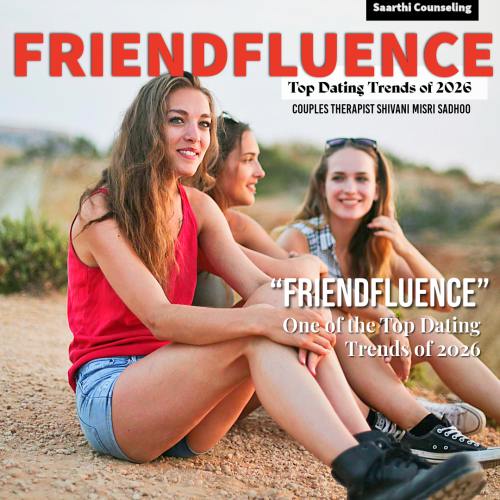
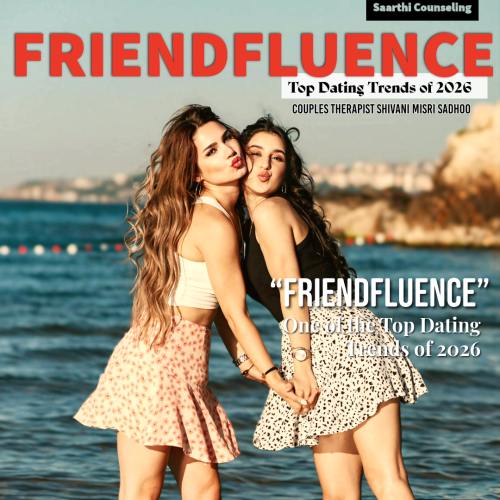
As the world of relationships continues to evolve, a new social-driven trend has emerged at the forefront of modern dating culture: “friendfluence.” This term — a blend of friend and influence — describes the growing impact that friends have on an individual’s romantic choices, behaviours, and dating decisions. In 2026, friendfluence is being recognised as one of the most powerful forces shaping how people connect, date, and build relationships, explains the leading couples therapist and relationship counsellor Shivani Misri Sadhoo.

At its heart, friendfluence reflects how deeply social circles affect dating life. Friends are no longer just companions or advisors — they increasingly help define what people find attractive, who they choose to date, and how they navigate relationships. This trend highlights a shift away from purely individual decision-making toward more socially informed relational choices.
Friendfluence Top Dating Trends 2026 relationship counselling

How Friendfluence Works in Modern Dating?

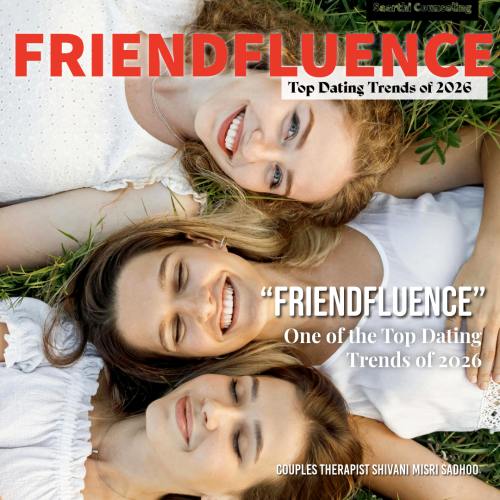
Friendfluence isn’t simply about listening to a friend’s approval or disapproval of a potential partner. Rather, it’s a nuanced dynamic that can take many forms, says Shivani Misri Sadhoo, an experienced marriage and relationship counsellor in Delhi.

  • Validation and Feedback: Before agreeing to a date or sharing a photo on a dating app, many people now seek input from close friends. A thumbs-up from the group can boost confidence, while a collective “no” can halt contact altogether.
  • Shared Social Norms: Friend groups often help establish what is seen as desirable or acceptable in potential partners — values, lifestyle choices, and even interests. This creates a subtle cultural script that shapes personal preferences.
  • Collective Experiences: Friends increasingly play active roles in social setups that lead to dating opportunities — group outings, double dates, social events, festivals, and meetups where introductions happen naturally.
  • Peer-Driven Boundaries: Conversations with friends about red flags, emotional well-being, and healthy boundaries inform how people approach commitment, communication, and expectations in relationships.

In essence, friendfluence transforms friends from passive observers to active contributors in the modern dating environment.
Friendfluence 2026 Dating Trends couples therapist Shivani Misri Sadhoo

Why is Friendship Emerging Now?

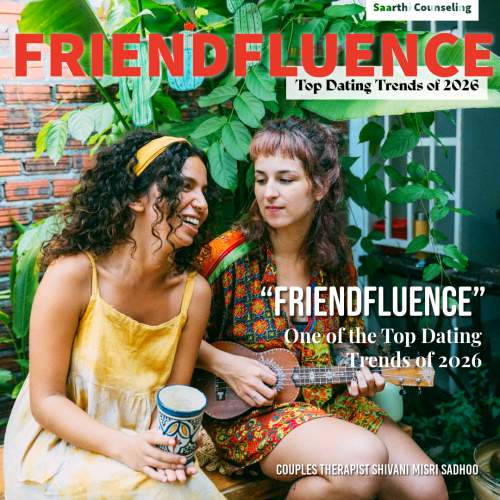
Several cultural and social shifts have accelerated the rise of friendfluence:

  • Greater Reliance on Social Networks: With digital communication and social apps shaping everyday interaction, peer influence is stronger — and more immediate — than ever before.
  • Shared Perspectives on Relationships: Younger generations tend to discuss dating openly within their social circles, normalising group input into decisions that were once private.
  • The Complexity of Modern Dating: With a vast number of choices available through dating platforms, people often turn to friends for clarity, reassurance, or grounding — especially when signals are ambiguous or overwhelming.
  • Rise of Group-Centred Activities: Social events, group adventures, and friend-mediated introductions increasingly replace traditional one-on-one blind dating or bar encounters.

Friendfluence Top Dating Trends 2026 relationship counselling

Positive and Challenging Sides of Friendfluence

Like any social phenomenon, friendfluence has both potential benefits and downsides.

Benefits:

  • Increased Support: Friends can help identify unhealthy patterns or red flags that individuals might overlook.
  • Shared Wisdom: Collective experiences provide a broader perspective and emotional guidance.
  • Enhanced Confidence: Supportive feedback can make dating less stressful and more secure.

Challenges:

  • Overdependence: Relying too heavily on friends for dating decisions may limit personal autonomy.
  • Group Bias: Friends may project their own preferences or fears into your decisions, sometimes unfairly.
  • Conflict: Disagreements about choices can lead to tension within the social group.
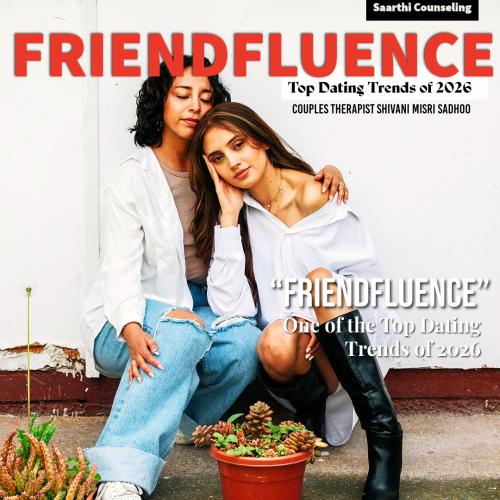
Friendfluence 2026 Dating Trends couples therapist Shivani Misri Sadhoo

How to Navigate Friendfluence Effectively?

To make the most of friend influence — without surrendering personal agency — consider the following:

  • Listen but Reflect: Take advice seriously, but make decisions based on your own values.
  • Set Boundaries: Clarify with friends how much input you want in your dating life.
  • Seek Diverse Perspectives: A variety of viewpoints can offer clarity without creating pressure.
  • Balance Social and Personal Insight: Combine your own feelings with thoughtful feedback.

In 2026, friendfluence is reshaping the way many people think about love, connection, and dating choices. Rather than isolating the individual decision-maker, the trend embraces the idea that relationships are part of a larger social ecosystem — and that friends, as trusted collaborators, play an influential role in how romantic journeys unfold.
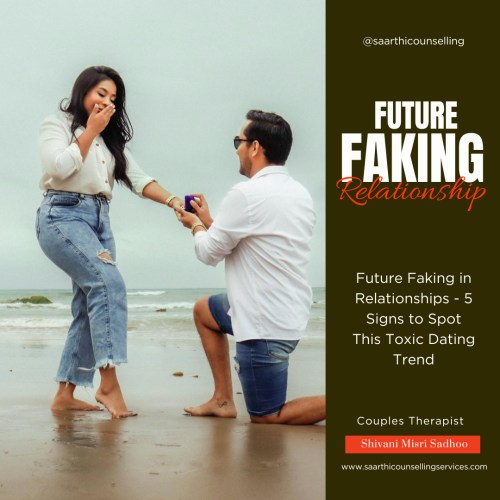
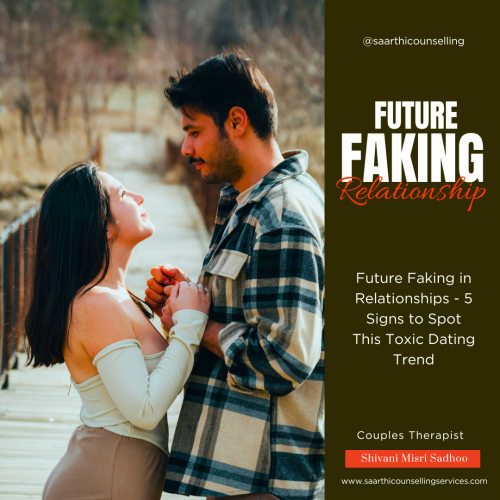
Future Faking in Relationships counselling in Delhi Shivani Misri Sadhoo

Future Faking in Relationships: 5 Signs to Spot This Toxic Dating Trend

Modern dating has become faster, more intense, and emotionally charged. While deep conversations and big promises may feel exciting early on, not all future-focused talk comes from genuine intentions. One increasingly common toxic dating pattern is future faking—a behaviour that creates emotional attachment through promises that are never meant to be kept. Understanding this pattern is essential to protect your emotional well-being and make healthier relationship choices, explains Shivani Misri Sadhoo, who is a top couples and relationship therapist in India.

Future Faking in Relationships counselling shivani misri sadhoo

What Is the Future Faking in a Relationship?

Future faking in a relationship refers to when someone talks extensively about a shared future—marriage, moving in together, children, travel plans, or long-term commitment—without having any real intention of following through. These promises are often used to gain trust, speed up emotional intimacy, or keep a partner invested, especially when the relationship lacks consistent actions.

Future faking is not the same as hopeful planning or normal relationship discussions. The key difference lies in behaviour. In healthy relationships, future plans are supported by consistent effort, accountability, and emotional availability. In future faking, words are big, but actions are minimal or absent.

Why Future Faking Is Toxic?

Future faking can be emotionally damaging because it creates false hope. The person on the receiving end may invest time, energy, and emotional vulnerability based on promises that never materialise. Over time, this leads to confusion, self-doubt, anxiety, and emotional dependency. It is often seen in narcissistic or emotionally unavailable partners, though not exclusively.

Future Faking in Relationships counselling advice by Shivani Misri Sadhoo

5 Signs to Spot Future Faking in Dating

1. Big Promises Very Early

One of the clearest signs of future faking is intense future talk at an early stage of dating. Statements like “You’re the one,” “I want to marry you,” or “I see my whole life with you” within weeks can feel flattering, but they often lack a realistic foundation. Genuine connection takes time to build; rushed promises are a red flag.

2. Words Don’t Match Actions

A future faker may talk about commitment but avoid taking real steps—meeting family, defining the relationship, or making consistent plans. They might promise trips, moving in together, or engagement, yet constantly delay or change the topic when action is required. This gap between words and behaviour is a core indicator.

Future Faking in Relationships counselling blog

3. Promises Appear During Conflict

Future faking often intensifies when the relationship is at risk. If every argument is followed by grand promises—“We’ll be happy soon,” “I’ll change,” “Our future will be amazing”—but nothing actually improves, it’s likely being used as a control tactic to prevent you from leaving.

4. Vague or Shifting Timelines

Another sign of future faking in relationships is unclear timelines. Plans are always “someday,” “soon,” or “when things settle down.” When you ask for clarity, the answers remain evasive. Healthy partners can discuss realistic timelines, even if they are flexible.

5. You Feel Confused, Not Secure

Perhaps the most important sign is how the relationship makes you feel. Future faking creates emotional highs followed by disappointment. Instead of feeling secure and grounded, you feel anxious, uncertain, and constantly waiting for the future to begin. A healthy relationship provides stability, not emotional whiplash.

Future Faking in Relationships counselling blog

How to Protect Yourself?

To avoid falling into a future faking pattern, focus less on promises and more on consistent behavior. Observe whether actions align with words over time. Set boundaries, ask clear questions, and trust patterns—not potential. If someone truly wants a future with you, their effort will be visible without needing constant reassurance.

Future faking in relationships can be subtle, charming, and deeply misleading. While talking about the future is natural, it should always be supported by present-day commitment. Recognizing the signs early can save you from emotional exhaustion and help you choose partners who offer real connection, not just beautiful words.

Dating Profile That Can Lead to Marriage

Tips to Create Effective Dating Profile That Can Lead to Marriage

Finding love in today’s digital world can feel like a thrilling adventure or a daunting challenge. With just a swipe or a click, you can meet potential partners from across the globe. But how do you cut through the noise of endless profiles to find someone who genuinely aligns with your goals? While dating apps have made the process convenient, they’ve also introduced complexities that weren’t present in the era of handwritten love letters or classic movie nights of the 1980s.

How do you navigate this modern maze of romance? Can creating the right dating profile really be the key to finding someone special—and perhaps, even leading to marriage?

To answer these questions, Shivani Misri Sadhoo, India’s top couples therapist and relationship counsellor shares her expert tips to craft a dating profile that reflects your true self and attracts the right kind of partner for a meaningful, lasting relationship.

Shivani Misri Sadhoo, India’s top couples therapist and relationship counselor

1. Be Authentic when creating your dating profile

Perhaps the first and foremost thing to do when creating a dating profile is to be honest and authentic. Misrepresenting yourself or pretending to be flawless won’t help you find the right person. Be clear about what you want, whether it’s companionship or a lifelong partner, and embrace your imperfections with self-respect. Authenticity is magnetic and shows you value yourself and your journey. Being genuine helps attract someone who truly appreciates you for who you are.

2. Add Your Hobbies and Interests to Your Dating Profile

Always remember, that a successful dating profile should be fun, inviting, and full of personality. Use the 3 Cs— colour, context, and character—to tell your story and stand out. Highlight your hobbies, interests, and how you spend weekends. Focus on passions, like things you love doing, rather than problems.

Take advantage of the dating apps, to add details about work, family, and favourite activities. Keep it lighthearted and engaging to make online dating enjoyable for you and your matches.

3. Get To Know Your Potential Partner

Many times, while creating an attractive dating profile, we focus on showcasing ourselves but forget to express interest in knowing our potential partner. People value being known and supported, especially by romantic partners, where this understanding feels unique. Research shows that the most appealing profiles highlight a genuine desire to know and support a partner. The promise of being truly understood attracts others, as the need to feel known is a fundamental human desire.

4. Do Not Leave Any Gaps

Incomplete dating profiles are a big letdown. They show a lack of effort and interest, which can leave a poor first impression. First impressions matter, especially on dating apps, where your profile is the only way strangers get to know you.

Don’t approach it with a defeatist attitude, thinking it won’t work. A pessimistic outlook is never attractive and will only drive potential matches away. Take the time to complete your profile thoughtfully—it’s worth it.

5. Post Current Photo

Your face is a mirror to your mind, reflecting your true self. It’s important to be remembered for who you are today, not how you looked years ago in high school. Always post current photos when dating, as your partner wants to see the real you.

Outdated pictures often lead to mismatched expectations and disappointment. Include a mix of photos like headshots, full-body shots, and candid moments that reveal your hobbies and personality. Use clear, well-lit, high-resolution images. Avoid filters, as they can create a false impression. Show your true self with confidence.

6. Make Your Intentions Clear

There is no need to play hide and seek with your potential dating partner. Be upfront about your expectations from the start. If you’re unsure about what you want, it’s okay to admit it. Say that you’d like to explore compatibility and see where the relationship leads. If you’re someone who doesn’t enjoy mind games, make it clear what that means for you. Let them know you want a connection without unnecessary drama, chaos, or emotional baggage. Honesty sets the right foundation for any relationship.

In a nutshell, creating an effective dating profile requires authenticity, showcasing your hobbies and interests, and expressing a genuine desire to know your potential partner. Complete your profile thoughtfully, post current photos, and be clear about your intentions. By embracing these tips, you can craft a profile that reflects your true self and attracts a meaningful, lasting connection.

What is Floodlighting Dating trend

What Does Floodlighting Mean in Dating Contexts? Warns Shivani Sadhoo

In an ever-evolving world of dating and relationships, new terms and concepts often emerge to describe different behaviours and experiences. One of those terms gaining attention is “floodlighting.” In dating contexts, floodlighting means the act of overwhelming your partner or potential romantic interest having intense emotions, personal confessions, or deep vulnerabilities pretty early in the relationship.

This could create a sense of emotional overload, leaving the other person feeling pressured or uncertain about the rapid progression of intimacy, discloses leading couples therapist Shivani Misri Sadhoo.

What is Floodlighting?

Floodlighting is mostly driven by an urge for a deep connection, but it could inadvertently push people instead of bringing them closer. It usually happens when one person shares highly personal or emotionally heavy details about his/her life too soon in the relationship. This may include discussing past traumas, fears, insecurities, or deep intimate experiences before the base of trust has been established.

What Does Floodlighting Mean in Dating Contexts?

While openness and vulnerability are important in any healthy relationship, floodlighting happens when these aspects are introduced at an excessive pace. The receiver of the floodlighting might feel caught off guard, uncertain of how to respond, or even burdened with emotional responsibility that they are not currently prepared to handle.

What are the Signs of Floodlighting in Dating?

If you are puzzling about whether you or someone you are dating is engaging in floodlighting, here are some of the common signs:

  1. Excessive Sharing Too Soon – Talk about your deeply personal experiences, past traumas, or unsolved emotional wounds within the first few dates.
  2. Intense Emotional Expression – Displaying love, commitment, or deep feelings of attachment way too early in the relationship.
  3. Seeking Instant Emotional Validation – Expecting your partner to reciprocate the same level of emotional intensity straight away.
  4. Overwhelming Conversations – Making each conversation about deep, serious, or emotionally charged subjects rather than allowing natural progression.
  5. Forming Unbalanced Emotional Dynamics – Making the other partner feel responsible for emotional support prior to a strong bond being formed.

Why Do People Floodlight?

Floodlighting could stem from several psychological and emotional factors, that include:

  • Insecurity or Fear of Rejection – Certain individuals might floodlight in an effort to fast-track intimacy and look for reassurance.
  • Past Emotional Neglect – Those individuals who have felt unheard or unvalidated in earlier relationships might use floodlighting as a mechanism to seek immediate emotional connection.
  • Attachment Styles – A person with anxious attachment styles usually struggles with pacing emotional disclosure, leading towards floodlighting.
  • Romantic Idealization – A few believe that love must be instant and intense, making them rush emotional intimacy.

How to Avoid Floodlighting in Dating?

If you identify floodlighting tendencies in yourself or a partner, think of these strategies to form a healthier emotional connection:

  • Pace Your Emotional Sharing – Develop intimacy slowly and naturally rather than disclosing too much too soon.
  • Practice Self-Awareness – Identify when your emotions are driving your actions and take a step back if necessary.
  • Form Mutual Comfort Levels – Make sure both partners feel comfortable having the level of emotional depth being shared.
  • Concentrate on Enjoying the Moment – Rather than rushing to form deep connections, allow time for the relationship to form organically.

Floodlighting in dating is a conduct that stems from a genuine urge for closeness, but it could often backfire due to an overwhelming romantic interest. Healthy relationships need a balanced way to emotional sharing, letting both partners feel safe, secure, easy, and engaged without any undue pressure. By being aware of emotional pacing and forming natural connections, individuals could form stronger, more lasting relationships sans the unintended outcomes of floodlighting.