Tag Archive : relationship counselling in Delhi by Shivani Misri Sadhoo

why Chocolate Symbol of Love answers Shivani Misri Sadhoo

Why Chocolate is the Ultimate Symbol of Love? Answers Expert

Love has always been expressed through gestures—flowers, handwritten notes, jewellery, and shared experiences. Yet, among all these tokens, chocolate holds a unique emotional and cultural place. Across countries, generations, and celebrations, chocolate has become deeply linked with romance, affection, and emotional warmth.

From Valentine’s Day gift boxes to wedding favours and anniversary treats, chocolate is more than just a dessert—it is a universal language of love. Its rich taste, comforting texture, and historical significance all contribute to its status as the ultimate symbol of romance and connection, says Shivani Misri Sadhoo, who is a leading couples therapist and relationship counsellor in Delhi and India.

why Chocolate Symbol of Love answers Shivani Misri Sadhoo

A Historical Connection Between Chocolate and Romance

Chocolate’s association with love dates back centuries. Ancient civilisations like the Mayans and Aztecs considered cacao sacred. It was often used in rituals and was believed to provide strength and vitality. Later, in Europe, chocolate became a luxury item associated with royalty and indulgence—both closely tied to passion and desire.

By the 19th century, beautifully designed chocolate boxes became popular gifts during romantic occasions, especially Valentine’s Day. This tradition strengthened chocolate’s emotional meaning and helped turn it into a symbol of affection.

why Chocolate Symbol of Love answers Shivani Misri Sadhoo

The Science Behind Chocolate and Feel-Good Emotions

Chocolate is not just emotionally symbolic—it also has biological effects that support its romantic reputation. It contains compounds like phenylethylamine (PEA), which is linked to feelings of attraction and excitement. It also helps release serotonin and dopamine, chemicals associated with happiness and pleasure. When people eat chocolate, they often feel comforted, relaxed, and joyful. This natural mood enhancement makes chocolate a perfect gift for expressing love, care, and appreciation.

why Chocolate Symbol of Love answers Shivani Misri Sadhoo

Chocolate as a Universal Gift

One of the biggest reasons chocolate represents love is its universal acceptance. Unlike gifts that require personal sizing, styling, or preferences, chocolate is widely loved across cultures and age groups. It is suitable for romantic partners, family members, friends, and even colleagues.

This versatility makes it an easy yet meaningful way to express emotions. Whether it’s a simple chocolate bar or a premium handcrafted assortment, the message remains the same—someone cared enough to give you something sweet and special.

The Sensory Experience of Chocolate

Chocolate creates a multi-sensory emotional experience. Its aroma, smooth texture, and melting quality contribute to feelings of comfort and indulgence. The act of sharing chocolate also creates bonding moments. Couples often share desserts, gift chocolates during celebrations, or associate certain chocolates with memories. These sensory and emotional associations strengthen chocolate’s symbolic link with love and intimacy.

Chocolate in Modern Romantic Culture

Today, chocolate plays a major role in romantic marketing and celebrations. Valentine’s Day sales revolve heavily around chocolates. Luxury brands design heart-shaped boxes, personalised assortments, and themed packaging focused on romance.

Social media and pop culture also reinforce chocolate as a love symbol, often portraying it as a sweet expression of feelings when words are not enough. This consistent cultural messaging keeps chocolate strongly connected to romance.

Why Chocolate Symbol of Love answers couples therapist Shivani Misri Sadhoo

Emotional Meaning Beyond Romance

While chocolate is strongly linked with romantic love, it also represents comfort, gratitude, and emotional support. People gift chocolate during celebrations, apologies, achievements, and even difficult times. This emotional flexibility makes chocolate a broader symbol of human connection and care, not just romantic affection.

Chocolate’s status as the ultimate symbol of love comes from a combination of history, science, culture, and emotional experience. It connects people through pleasure, comfort, and shared moments. Whether gifted during grand romantic gestures or simple everyday acts of kindness, chocolate continues to represent warmth, affection, and emotional closeness. In a world where expressions of love can sometimes feel complicated, chocolate remains a simple, sweet, and timeless way to say, “You matter to me.”


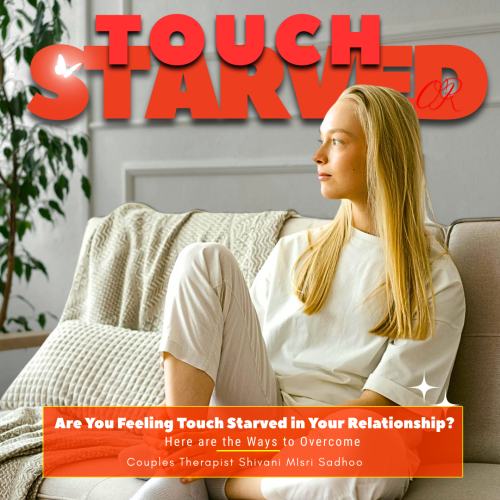
What is feeling of touch-starved in relationship advice

Are You Feeling Touch-Starved in Your Relationship? Here’s How to Overcome It

Relationships are rarely perfect. Every couple experiences phases of closeness and distance, highs and lows. Yet, it’s often the little things—a warm hug, holding hands, or a gentle touch on the shoulder—that strengthen emotional bonds. Human touch plays a far more powerful role than many realize, promoting happiness, trust, and emotional security. Simple gestures like caresses, back rubs, or embraces release oxytocin, reducing stress and deepening connections.

When touch is absent for too long, a condition known as touch starvation can develop, creating feelings of isolation and distress. Recognizing its signs and learning ways to reconnect physically and emotionally is essential for maintaining a healthy relationship, says Shivani Misri Sadhoo, who is one of India’s top couples and marriage counselors.

Feeling Touch-Starved in Your Relationship

Understanding Touch Starvation

Touch starvation, sometimes called “skin hunger,” occurs when the body goes without nurturing physical contact. The skin’s nerves and pressure receptors respond to touch, triggering the release of “feel-good” chemicals like oxytocin. Without it, the nervous system can become restless, increasing stress and loneliness. Over time, prolonged absence of touch can impact both emotional and psychological well-being.

Why Does Physical Touch Matter?

Humans are wired for connection. From birth, gentle touch communicates safety, love, and security. Touch continues to play a vital role throughout life, offering multiple benefits:

  • Reduces Stress: Touch lowers cortisol levels, calms the nervous system, and boosts mood-regulating chemicals like dopamine and serotonin.
  • Strengthens Emotional Bonds: Hugs and gentle touches release oxytocin, enhancing trust, intimacy, and positive feelings toward others.
  • Promotes Physical Health: Regular nurturing touch can improve immunity and lower blood pressure.
  • Supports Mental Health: Touch has been shown to ease sadness, reduce anxiety, and lift overall mood.

Even small gestures—such as holding hands, a pat on the back, or a gentle embrace—can make a profound difference.

Signs You May Be Touch-Starved

Feeling disconnected from your partner or loved ones may indicate touch starvation. Common signs include:

  • Persistent Loneliness: You may feel isolated even when surrounded by loved ones if physical affection is missing.
  • Mood Imbalances: Lack of touch can reduce oxytocin levels, leading to irritability, anxiety, or low mood.
  • Heightened Sensitivity: When touch is scarce, even brief physical contact can feel deeply comforting and emotionally significant.
Feeling Touch-Starved in Your Relationship

Ways to Overcome Touch Starvation

  • Self-Touch and Self-Care – Self-touch, like hugging yourself or placing a hand over your heart, can provide comfort and ease stress. Practicing mindful self-care, extending compassion inward, and treating yourself with kindness are essential parts of addressing touch starvation.
  • Communicate with Loved Ones – Openly expressing your need for physical affection with your partner, family, or friends can help bridge the gap. Virtual interactions, such as video calls or heartfelt conversations, can also provide emotional nourishment when in-person contact isn’t possible.
  • Alternative Forms of Touch – Engaging in activities that provide tactile stimulation, such as pet therapy, massage, weighted blankets, or using stress-relief objects, can help satisfy the body’s need for touch.
  • Appreciate Small Gestures – Daily, simple acts—like sitting close, sharing a gentle touch, or exchanging a meaningful glance—can strengthen intimacy and connection. Even subtle gestures contribute to emotional bonding.
  • Reconnect Through Memory – Recalling past moments of affection can reinforce emotional closeness and help the mind feel the warmth of nurturing touch.

Touch is more than physical contact; it is essential emotional nourishment. When absent, it can leave individuals feeling lonely, anxious, and disconnected. However, through self-care, communication, mindfulness, and small acts of connection, touch starvation can be addressed. Rebuilding meaningful physical and emotional closeness helps restore trust, love, and well-being in relationships.

checking your partners phone answers marriage counselor Shivani Misri Sadhoo

Is it Bad to Check Your Partner’s Phone? Answers Expert

In today’s hyper-connected digital age, mobile phones have become personal vaults of communication, memories, and daily routines. Within relationships, this can create tension—especially when one partner feels tempted to check the other’s phone. From a couples therapy standpoint, this behaviour is not just about curiosity or suspicion—it often reflects deeper issues such as insecurity, boundary confusion, or a lack of emotional trust. Understanding the dynamics behind this urge is crucial for nurturing healthy, respectful relationships.

Shivani Misri Sadhoo one of the best marriage counsellor in Delhi

Is it bad to check your partner’s phone or not?

Shivani Misri Sadhoo, leading relationship expert and one of the best marriage counsellors in India, shares her views on the topic.

Trust Is the Cornerstone of Intimacy

Relationship therapists consistently highlight that trust forms the foundation of emotional safety between partners. When one partner checks the other’s phone without consent, it may signal a breakdown of that trust. Such actions are less about finding concrete evidence and more about addressing emotional uncertainty or fear of betrayal. Without rebuilding trust through open dialogue, phone-checking can erode the sense of security in the relationship.

Privacy Does Not Equal Deception

Therapeutic models of healthy relationships recognise the importance of individual boundaries, even within close emotional bonds. Each partner is entitled to a sense of personal space—digital or otherwise. Privacy in this context is not synonymous with secrecy; rather, it is a sign of respect for individuality. When partners respect each other’s boundaries, it fosters mutual confidence and emotional maturity.

The Behavior Often Escalates Conflict

Research and clinical observations show that covertly accessing a partner’s phone can create more harm than resolution. Misinterpretations of messages, lack of context, or unexpressed emotions often lead to defensiveness, accusations, and emotional withdrawal. Over time, repeated violations of privacy can create a pattern of distrust, making conflict resolution more difficult and damaging relational stability.

Shivani Misri Sadhoo best marriage counsellor

Underlying Issues Must Be Addressed, Not Avoided

Phone-checking is rarely the core problem—it is typically a symptom of deeper relational concerns such as past infidelity, emotional disconnect, or fear of abandonment. Therapy focuses on identifying these root causes and facilitating honest communication. Without addressing these underlying issues, the urge to monitor a partner’s digital behaviour may persist, perpetuating a cycle of mistrust and anxiety.

Open Communication Is the Healthier Alternative

Rather than resorting to surveillance, couples are encouraged to engage in transparent, non-confrontational conversations about their concerns. When both partners feel heard and understood, the need for secretive behaviour diminishes. Establishing shared boundaries, clarifying expectations around digital privacy, and rebuilding emotional trust are all essential steps supported by relationship therapy frameworks.

Checking a partner’s phone without consent is rarely a sign of a healthy relationship. While the impulse may stem from genuine fear or hurt, the act itself often causes greater harm. From a therapeutic perspective, the path to stronger relationships lies not in silent monitoring but in open-hearted communication, emotional safety, and mutual respect for boundaries.