Tag Archive : india’s top online relationship expert

relationship in digital age insight by relationship counsellor Shivani Misri Sadhoo

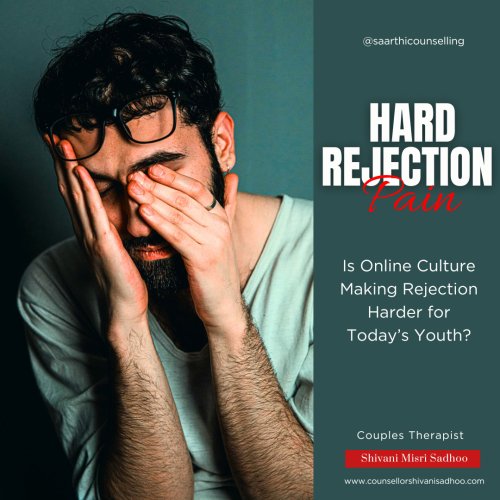
Is Online Culture Making Rejection Harder for Today’s Youth?

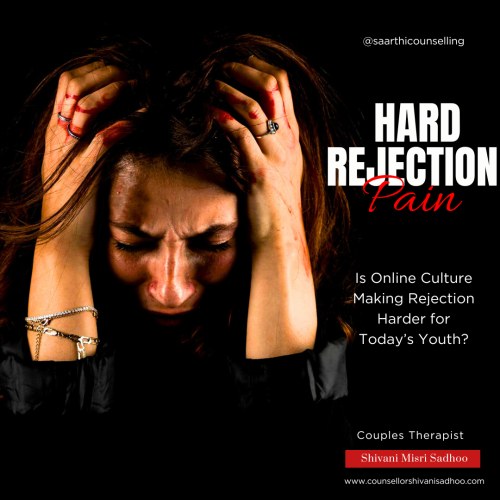
Rejection has always been a part of growing up, but for today’s youth, it often feels heavier, louder, and more public than ever before. In a world shaped by social media, instant feedback, and constant comparison, rejection is no longer just a private disappointment.

It can feel like a public verdict. From being left on “read” to not getting enough likes or being excluded online, digital culture has transformed how young people experience and process rejection. This raises an important question about whether the online world is making emotional resilience harder to build, says Shivani Misri Sadhoo, who is one of the top couples therapists and relationship counsellors in Delhi.
relationship in digital age insight by relationship counsellor Shivani Misri Sadhoo

Rejection in the Age of Visibility

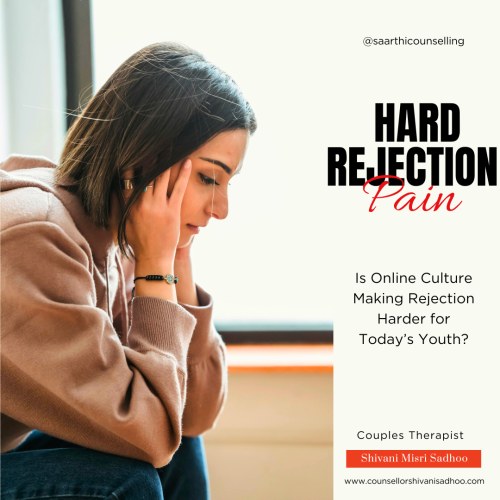
In earlier generations, rejection usually happened in limited social circles. A declined invitation, a failed exam, or a romantic disappointment was often experienced privately or shared with a few trusted people. Today, online platforms make social interactions visible and measurable.

When a post receives little engagement or a message goes unanswered, rejection feels quantified and exposed. For many young people, these small digital signals are interpreted as judgments on their worth, making rejection feel constant rather than occasional.
relationship in digital age insight by relationship counsellor Shivani Misri Sadhoo

The Pressure of Constant Comparison

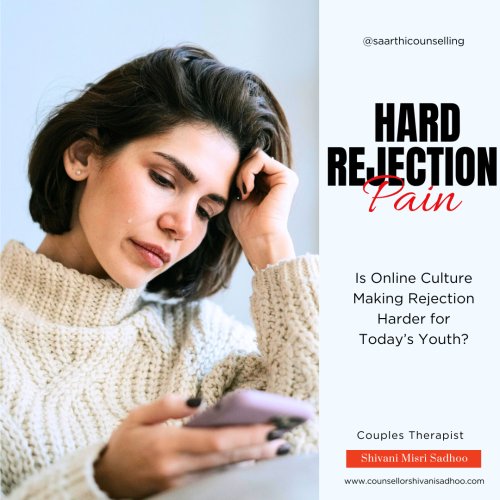
Social media encourages users to compare their lives with carefully curated versions of others’ success and happiness. When young people see peers achieving milestones, gaining attention, or appearing confident and admired, rejection can feel like personal failure rather than a normal life experience.

This comparison culture amplifies self-doubt and can make setbacks feel more significant than they truly are. Instead of seeing rejection as a temporary obstacle, many begin to internalise it as a defining trait.
relationship in digital age insight by relationship counsellor Shivani Misri Sadhoo

Fear of Public Failure

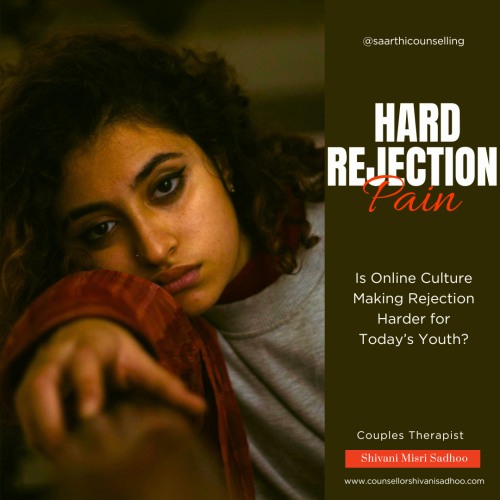
Online culture has blurred the line between private mistakes and public embarrassment. A rejection can quickly become visible through screenshots, unfollows, or subtle online signals. This creates a fear of trying at all.

Many young people hesitate to apply for opportunities, express feelings, or share creative work because the possibility of rejection feels too public and permanent. The internet rarely forgets, and this perceived permanence adds emotional weight to every risk.
relationship in digital age insight by relationship counsellor Shivani Misri Sadhoo

Reduced Opportunities to Build Resilience

Resilience is often built through repeated exposure to disappointment and recovery. However, digital interactions can limit this process. Online rejection tends to be abrupt, silent, or ambiguous, offering little explanation or closure.

Being ignored or excluded online does not provide the feedback needed to learn and grow. Over time, this can make rejection feel confusing and deeply personal, rather than a normal part of human interaction.

Emotional Validation and External Approval

Online culture places strong emphasis on validation through likes, comments, and followers. When approval becomes external and numerical, rejection feels like the absence of value. Youth who grow up equating attention with self-worth may struggle more when validation is withdrawn. This dependency can make rejection emotionally overwhelming, as it challenges both confidence and identity.

Learning to Reframe Rejection

Despite these challenges, online culture does not make rejection impossible to handle; it simply changes how it must be understood. Teaching young people to separate online feedback from self-worth is essential.

Rejection, whether online or offline, is not a reflection of personal value but a natural outcome of diverse opinions, preferences, and circumstances. Developing digital literacy, emotional awareness, and self-compassion can help youth navigate rejection more healthily.

Online culture has undeniably reshaped how today’s youth experience rejection, making it more visible, frequent, and emotionally intense. While this environment presents new challenges, it also offers an opportunity to redefine resilience for the digital age. By encouraging meaningful offline connections, fostering self-worth beyond online approval, and normalising rejection as part of growth, young people can learn not only to cope with rejection but to grow stronger through it.

relationship counselor in delhi_shivani misri sadhoo

5 Important Things a Long Distance Relationship Teaches You

Falling in love often feels effortless, filled with shared moments and joy. But when distance becomes part of the equation, nurturing that love demands patience, trust, and unwavering commitment. Long-distance relationships are undoubtedly challenging, trading spontaneous coffee dates and evening strolls for late-night calls and virtual hugs. Yet, they offer invaluable lessons about love, commitment, and ourselves.

What are the important things a long-distance relationship teaches you?

Let’s explore five key lessons a long-distance relationship teaches, as shared by India’s renowned marriage and relationship counselor, Shivani Misri Sadhoo.

Time Is Valuable

A long-distance relationship reveals the fleeting nature of time and teaches us to cherish moments with our loved ones. While physical separation limits shared activities, it emphasizes emotional investment, open sharing, and attentive listening. In today’s digital age, where connections often feel superficial, long-distance relationships foster meaningful bonds through intentional conversations and deep understanding. Moments of connection—whether a heartfelt conversation or a virtual meal—become precious reminders to value the time spent with those we love.

relationship counselor in dia_shivani sadhoo

The Art of Patience

Living apart requires an exceptional level of patience. Unlike proximity-based relationships, where instant gratification is common, long-distance relationships teach us to wait. There are times when your partner may not answer a call—not out of neglect but due to circumstances like work or travel. These moments test your ability to trust and manage misunderstandings. The prolonged wait for visits or responses often feels unbearable, but it fosters endurance, hope, and resilience. This learned patience not only strengthens your bond but also cultivates a broader life skill: appreciating delayed gratification and embracing the joy of reunions.

The Importance of Communication

Communication forms the backbone of any relationship, but its importance is magnified in long-distance setups. Being apart compels couples to practice clarity, honesty, and regular interaction. Miscommunication or withholding feelings can lead to unnecessary complications, making transparency essential. Effective communication strengthens emotional bonds, resolves conflicts, and builds trust, minimizing negative feelings. Sharing experiences, beliefs, and expectations bridges the physical gap, ensuring that emotional intimacy flourishes despite the miles.

Trust Becomes Essential

Trust is vital in any relationship, but in a long-distance dynamic, it takes center stage. Physical separation can breed uncertainty, yet this distance pushes couples to rely on trust more than ever. Gestures of love, honest communication, and patience become the foundation of emotional security. Trusting in your partner’s actions, promises, and intentions helps navigate the challenges of being apart. Setting boundaries and clear expectations further strengthens this trust, creating a secure and respectful space. Long-distance relationships demonstrate that trust transcends proximity—it’s about emotional assurance and belief in the relationship’s strength.

You Learn to Appreciate Each Other

Distance has a way of amplifying appreciation for your partner. When physically close, it’s easy to overlook gestures or become frustrated by quirks. However, separation sharpens your focus on the qualities and actions that make your partner special. The absence of their touch, voice, or presence makes their value unmistakably clear. Things once taken for granted, like a simple conversation or a laugh, gain profound significance. This newfound perspective fosters deeper gratitude and highlights the importance of the little things in a relationship.

Long-distance relationships are undeniably challenging, but they bring invaluable rewards. They teach us to treasure time, master patience, communicate effectively, build trust, and deeply appreciate our partners. Despite the obstacles, these relationships strengthen emotional connections and encourage us to value every shared moment, proving that love can thrive even across great distances.