Category Archive : marriage counseling tips for Indian couples

Signs a girl or boy is perfect for Marriage by relationship expert Shivani Misri Sadhoo

Secrets to Marriage Material, Explained by a Relationship Expert

Summary
  • Marriage thrives on trust, emotional maturity, and mutual respect.
  • Comfort, patience, and healthy conflict resolution build lasting relationships.
  • Shared values and aligned life goals strengthen a lifelong partnership.

When you start dating someone, it’s only natural to be drawn to qualities that make your heart skip a beat, such as kindness and generosity, a good sense of humour, caring and compassion, and intelligence, to name a few. But you really do not bother so much, as you know that probably your current date may not be your life partner.

Since the future of such a relationship remains uncertain, many people tend to overlook habits, values, or personality traits that may seem insignificant in the excitement of new love. Marriage, however, is a different ball game. It is not about fleeting attraction or romantic highs. It is about choosing someone with whom you will live forever.
Signs a girl or boy is perfect for Marriage by relationship expert Shivani Misri Sadhoo

Someone who will stand beside you through celebrations, disappointments, setbacks, and milestones. The questions you keep thinking about become more relevant. Is this the right person for me? Do we have things in common? Will we evolve together instead of drifting apart? There are just a few of the many questions that begin to occupy our minds before taking the plunge.

“Marriage material isn’t defined by perfect romance, but by trust, emotional maturity, shared values, and the willingness to choose each other every single day.” – Shivani Misri Sadhoo, Gottman Recommended Indian Marriage Counsellor and Clinical Psychologist at IBS Hospital, Lajpat Nagar, Delhi

What makes a guy or girl suitable for marriage?

If you are still wondering what makes someone perfect for marriage, then read what Shivani Misri Sadhoo, an eminent couples therapist and marriage counsellor for Indian couples.
Signs a girl or boy is perfect for Marriage by relationship expert Shivani Misri Sadhoo

1. Are You Comfortable Around the Person?

This is perhaps one of the questions that we keep thinking about when we are about to marry someone. Do you genuinely feel comfortable with this person? The person you choose to marry should be someone with whom you never have to perform, explain yourself constantly, or worry about saying the wrong thing. You should be able to laugh freely, sit together in comfortable silence, have honest conversations without fear of being judged, and simply be yourself.

While grand romantic gestures make for beautiful moments, they don’t sustain a marriage; comfort does. You should be able to make happy memories with that person rather than feeling emotionally exhausted. When your prospective life partner accepts the way you are and does not try to change you, you feel respected and valued. This is an incredible feeling in a relationship.

2. Trust Matters

Another important factor that determines whether someone is truly marriage material is ‘trust’. Without it, even the strongest attraction begins to lose its meaning. Trust is the quiet confidence that your partner will stand by you, keep their word, and remain honest even when life becomes difficult. You know that you can rely on your partner and share the deepest secrets with them without thinking twice.

It means not having to second-guess their intentions or constantly seek reassurance. A marriage built on trust allows two people to feel secure, vulnerable, and completely themselves, knowing they are safe in each other’s hands.

Signs a girl or boy is perfect for Marriage by relationship expert Shivani Misri Sadhoo

3. Emotional Maturity

Emotional Maturity is one of those indispensable qualities to look for in a life partner because marriage demands far more than love: it demands understanding, restraint, and grace. A mature person neither suppresses emotions nor allows them to dictate every reaction.

Such individuals possess the rare ability to empathise, communicate, and grow alongside another person. In the long journey of marriage, this quiet steadiness often proves far more enduring than charm or chemistry.

4. Patience Matters

Patience is perhaps the most underrated virtue in the pursuit of marriage. In a world intoxicated by instant gratification, the temptation to settle for immediate chemistry often eclipses the wisdom of waiting. Yet a life partner is not someone chosen for a season but for a lifetime. Yet a life partner is not someone chosen for a season but for a lifetime.

Patience allows infatuation to yield to insight, revealing character beneath charm, consistency beneath promises, and resilience beneath perfection. The right person is rarely discovered in haste; they are recognised through discernment and quiet observation.

5. Aligned Life Goals

Marriage is not merely the union of two hearts: it is the convergence of two journeys. Love may ignite the spark, but shared aspirations keep the flame alive. So, before saying ‘yes’ to your prospective life partner, it is worth asking whether your ambitions complement each other.

Do you envision a similar future, support one another’s dreams, and find purpose in the same milestones? When two people move in the same direction, they are not just building a marriage; they are creating a life with intention, resilience, and meaning.

6. Conflict Resolution

When you are choosing a life partner, conflict resolution is a trait that is very important. Do not ignore it. Affection may bring two people together, but it is wisdom under pressure that determines whether they stay together. Every marriage will encounter disagreements, unexpected crises, and difficult decisions. The real question is not whether conflict will arise, but whether your partner can handle it with maturity, empathy, and sound judgment.

One needs to remain calm and composed when tackling such difficult situations. The person who can settle matters amicably without getting agitated or angry, and takes the right decisions at the right time, is far more likely to build a marriage that endures than someone who simply excels at romance.

A marriage is less about finding the perfect person and more about choosing someone whose values, character, and commitment align with yours. Love may begin a relationship, but trust, emotional maturity, patience, shared goals, and mutual respect help it to endure. These qualities create the foundation for a partnership that can truly stand the test of time.
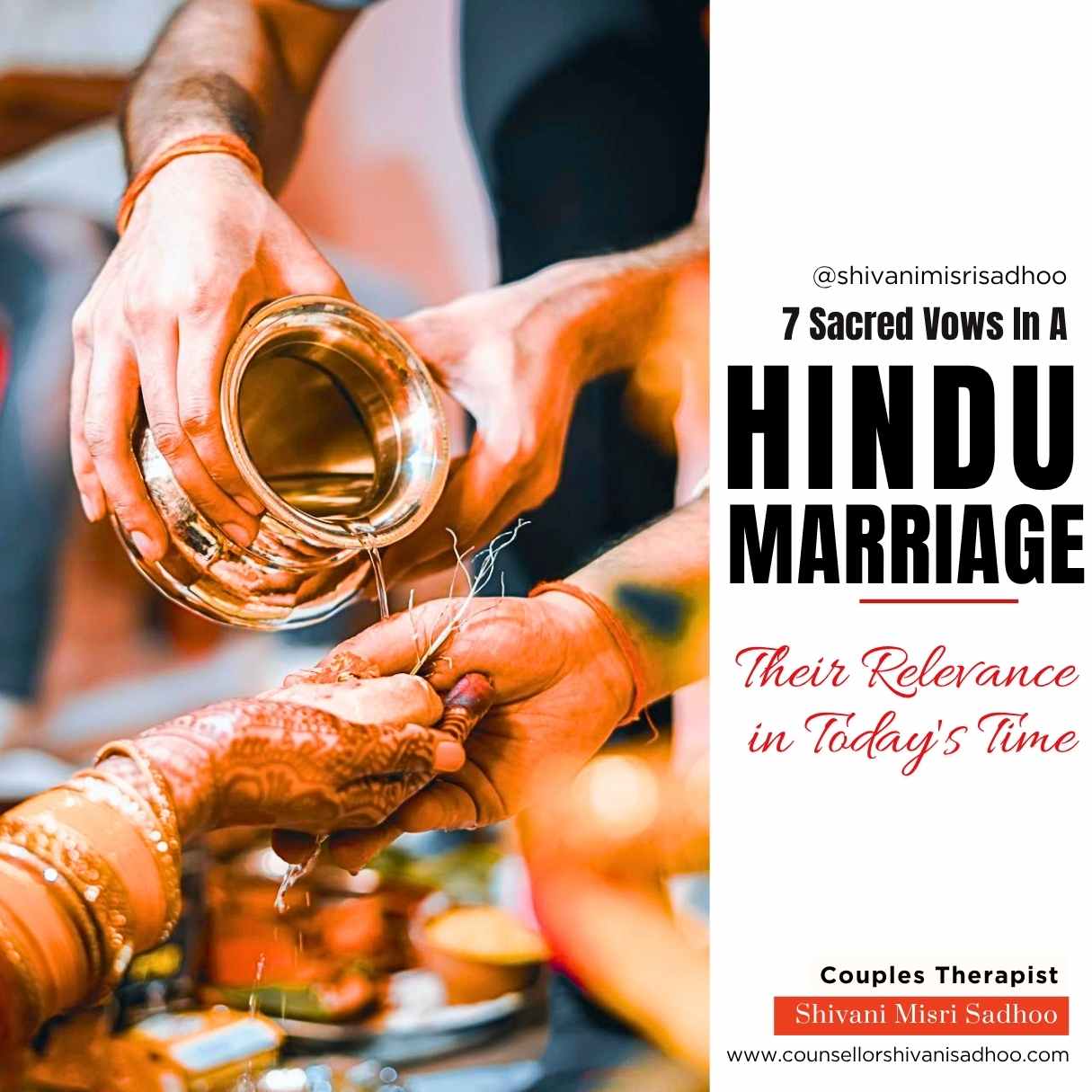

Sacred Vows in a Hindu Marriage

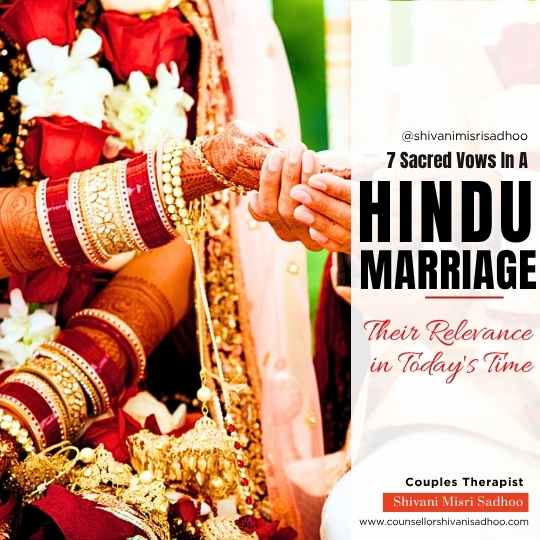
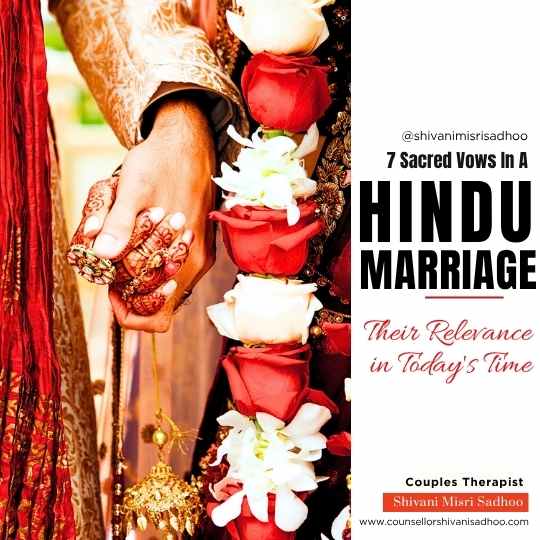
7 Sacred Vows in a Hindu Marriage – Their Relevance in Today’s Time

Key Summary
  • The seven vows are not outdated rituals; they reflect timeless principles like trust, respect, and shared responsibility that still define strong relationships today.
  • Modern couples interpret these vows in practical ways—through emotional support, financial partnership, and mutual growth.
  • The essence of Saptapadi lies in intention, making it a relevant guide for building meaningful and balanced relationships in today’s world.

Are the “Saptapadi” still relevant in 2026? Beyond the ritual, the seven vows of a Hindu marriage contain profound psychological blueprints for partnership, respect, and shared growth. Renowned counselor Shivani Misri Sadhoo breaks down each vow, revealing how these sacred pillars can strengthen modern relationships and resolve contemporary conflicts.

7 Sacred Vows in a Hindu Marriage – Their Relevance in Today’s Time

Marriage in Hindu tradition is not just a social contract; it is a deeply spiritual commitment rooted in centuries-old rituals and beliefs. One of the most meaningful parts of a Hindu wedding is the Saptapadi—the seven sacred vows taken by the bride and groom as they walk around the holy fire. Each vow represents a promise that shapes the foundation of their life together. While these vows were created in a very different era, their essence continues to hold value even in modern relationships, where expectations, roles, and lifestyles have evolved significantly, shares marriage counsellor and couples therapist in Delhi, Shivani Misri Sadhoo.

Do the 7 sacred vows still matter in modern relationships?

At first glance, these ancient promises may seem symbolic or even outdated in today’s fast-paced, individualistic world. However, when we look closely, each vow addresses timeless aspects of a successful partnership—trust, mutual respect, emotional support, and shared responsibilities.

The language may be traditional, but the intent behind these vows aligns closely with what people still seek in meaningful relationships today. In fact, they offer a grounded framework that can help couples navigate modern challenges like work-life balance, financial stress, and emotional disconnect.

7 Sacred Vows in a Hindu Marriage – Their Relevance in Today’s Time

Marriage Counselor Shivani Misri Sadhoo says, “Ancient in words but modern in meaning, the seven sacred vows are not just promises made around the fire—they are lifelong commitments that quietly shape love, resilience, and companionship in every phase of marriage.”

The First Vow: Nourishment and Well-being

The couple promises to provide for each other and ensure a healthy, fulfilling life. In today’s context, this goes beyond physical nourishment. It includes emotional care, mental health support, and encouragement to lead balanced lives. With rising stress levels and demanding careers, this vow feels more relevant than ever.

The Second Vow: Strength and Support

This vow focuses on building physical, mental, and spiritual strength together. Modern relationships thrive when both partners act as pillars of support during tough times. Whether it’s career setbacks or personal struggles, standing by each other is still one of the strongest indicators of a lasting bond.

The Third Vow: Prosperity and Wealth

Traditionally, this vow emphasised earning and managing wealth together. Today, it reflects financial partnership—shared goals, transparency in money matters, and mutual decision-making. In an age where both partners often contribute financially, this vow reinforces equality and teamwork.

7 Sacred Vows in a Hindu Marriage – Their Relevance in Today’s Time

The Fourth Vow: Love and Mutual Respect

The couple promises to cherish and respect each other. In modern times, respect has become the backbone of any relationship. Love alone is not enough; understanding boundaries, valuing individuality, and maintaining dignity in disagreements are crucial elements that echo this vow.

The Fifth Vow: Family and Responsibility

This vow is about nurturing family and fulfilling responsibilities toward children and elders. While family structures may have changed, the idea of shared responsibility remains important. It now includes supporting each other’s ambitions while balancing personal and family commitments.

The Sixth Vow: Health and Longevity

Here, the couple prays for a long and healthy life together. Today, it can be interpreted as encouraging healthy habits, emotional stability, and being mindful of each other’s well-being. It also subtly reminds couples to invest time in their relationship despite busy schedules.

The Seventh Vow: Lifelong Companionship and Loyalty

The final vow seals the bond with a promise of lifelong friendship, trust, and loyalty. In contemporary relationships, this vow resonates deeply. Beyond romance, couples today seek companionship—a partner who understands them, grows with them, and stands by them through every phase of life.

Why These Vows Still Hold Meaning?

Even in a world where relationships are constantly being redefined, the core principles behind the seven vows remain unchanged. They speak about partnership rather than dominance, commitment rather than convenience, and growth rather than dependency. What has changed is how these vows are interpreted and practised.

Bridging Tradition with Modern Reality

Today’s couples may not consciously remember each vow they take during the ceremony, but they live them in different ways. Whether it’s sharing household responsibilities, supporting each other’s careers, or prioritising mental health, these actions reflect the same values embedded in the vows. The tradition, therefore, is not outdated—it has simply evolved.