Summary
- Bare minimum is not enough: Healthy relationships need consistent care, effort and emotional support.
- Effort should be mutual: Both partners must communicate, compromise and contribute to the relationship.
- Respect and consistency matter: Genuine love is shown through everyday actions, understanding and trust.
Relationships are often built on love, trust, care and mutual understanding. However, in today’s world, people are beginning to question what they truly deserve from a partner.
Simply being present, replying occasionally or avoiding major mistakes may once have been considered enough. Now, many people believe that healthy relationships require more than the bare minimum.
The phrase “bare minimum” refers to the basic effort someone makes to maintain a relationship. While these actions are important, they should not be mistaken for genuine emotional investment.
A strong relationship needs consistency, communication, respect and a willingness to grow together, shares Shivani Misri Sadhoo, who is an experienced couples counselor in Delhi.
What Does “Bare Minimum” Mean in a Relationship?
The bare minimum includes basic actions that should naturally exist in a healthy relationship. These may include being honest, showing basic respect, communicating regularly and remaining faithful.
These are not extraordinary acts. They are the foundation of a relationship. When someone expects praise for doing only these basic things, it may suggest that the relationship lacks deeper effort.

For example, replying to a partner only when convenient, remembering important dates occasionally or offering support only after repeated reminders may not create a strong emotional connection.
A relationship cannot thrive when one person is constantly asking for attention, care or understanding.
“Love is not just about being present; it is about making your partner feel valued, heard and genuinely cared for.” Says Gottman Certified marriage counselor in Delhi, Shivani Misri Sadhoo.
Why Are People Expecting More Today?
People are becoming more aware of emotional well-being, personal boundaries and relationship standards. Social media, conversations around mental health and changing ideas about partnership have encouraged individuals to reflect on what makes a relationship fulfilling.
Many people no longer want relationships where they feel ignored, emotionally unsupported or taken for granted. They want partners who actively participate in building a meaningful connection.
This does not mean expecting perfection or grand romantic gestures every day. Instead, it means wanting consistent effort, emotional availability and a sense that both people genuinely care about the relationship.

Emotional Availability Matters
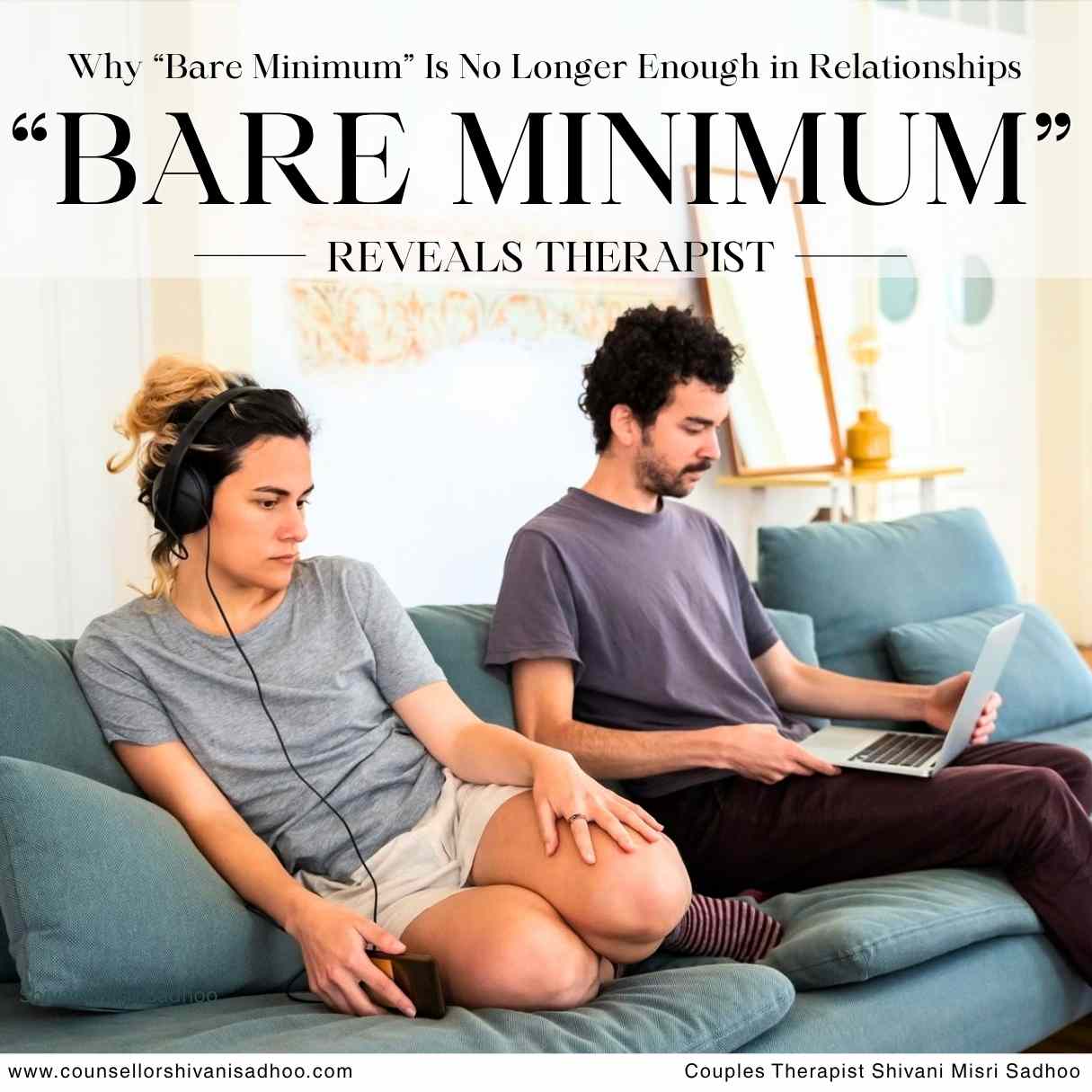
Being physically present is not the same as being emotionally available. A partner may spend time in the same room but still remain distant, distracted or unwilling to discuss feelings.
Emotional availability means being willing to listen, understand concerns and create a safe space for honest communication. It involves showing interest in a partner’s experiences, fears, goals and emotional needs.
People increasingly want relationships where they can express themselves without feeling judged or dismissed. Emotional support is not an extra benefit; it is an important part of emotional intimacy.
Consistency Is More Important Than Occasional Grand Gestures
A surprise date, expensive gift or romantic message can feel special, but meaningful relationships are built through everyday actions. Consistency often matters more than occasional displays of affection.
Checking in after a difficult day, remembering small details, keeping promises and making time for each other can create a stronger bond than dramatic gestures.
When effort appears only after an argument or when a partner feels they might lose the relationship, it may not feel genuine. Healthy effort should be regular rather than dependent on conflict or pressure.
Communication Should Not Feel Like a One-Person Responsibility
In many relationships, one partner becomes responsible for starting difficult conversations, solving misunderstandings and keeping the connection alive. This can create emotional exhaustion over time.
A healthy relationship requires both partners to communicate openly. This includes discussing expectations, addressing problems respectfully and being willing to listen without becoming defensive.
Good communication does not mean agreeing on everything. It means making an effort to understand each other and finding ways to handle differences with maturity.
Effort Should Be Mutual
A relationship becomes unbalanced when one person is always planning, apologising, supporting and making compromises while the other simply receives the benefits.
Mutual effort does not always look identical. One partner may express love through words, while the other may show it through actions. What matters is that both people contribute in ways that make the relationship feel valued and secure.
When effort is mutual, neither person feels that they are carrying the entire emotional responsibility of the partnership.
Respecting Boundaries and Individuality
Modern relationships are also placing greater importance on personal boundaries and individuality. Being in love does not mean giving up personal interests, friendships, goals or independence.
A supportive partner respects personal space and understands that both individuals need time for themselves. Healthy love should encourage growth rather than create control, fear or emotional dependence.
Respect also means accepting a partner’s feelings, opinions and limitations, even when they are different from one’s own.
Bare Minimum Versus Genuine Care
There is a clear difference between simply avoiding harmful behaviour and actively making a relationship better.
Not lying, not cheating and not being abusive are basic expectations. Genuine care goes further by showing kindness, offering support, making thoughtful decisions and considering how one’s actions affect the other person.
A partner who truly values the relationship does not only ask, “What can I get away with?” Instead, they think about how they can contribute to trust, comfort and emotional security.
Healthy Expectations Are Not the Same as Unrealistic Demands
Expecting more effort does not mean demanding constant attention, expensive gifts or a perfect relationship. Every person has different responsibilities, emotional needs and limitations.
Healthy expectations are based on respect, honesty, consistency and communication. Unrealistic demands, on the other hand, may involve expecting a partner to meet every emotional need or never make mistakes.
The goal is not perfection. It is a relationship where both people are willing to acknowledge mistakes, make improvements and show that the connection matters.
Building Relationships Beyond the Bare Minimum
The changing attitude towards relationships reflects a desire for deeper and more meaningful partnerships. People want to feel chosen, heard, respected and supported—not merely tolerated.
Moving beyond the bare minimum involves small but consistent actions: listening carefully, keeping promises, communicating openly, showing appreciation and making space for each other’s growth.
A fulfilling relationship is not measured only by the absence of problems. It is measured by the presence of care, understanding and shared effort.
A New Standard for Love
The bare minimum may keep a relationship functioning, but genuine effort helps it grow. Love requires more than simply being present; it requires emotional involvement, responsibility and a willingness to show up consistently.
As relationship expectations continue to evolve, people are recognising that they deserve partnerships where effort is mutual and affection is expressed through everyday actions.
A healthy relationship should not make someone grateful for basic respect—it should make both partners feel valued, understood and loved.